Get your free personalized podcast brief
We scan new podcasts and send you the top 5 insights daily.
Zoom survived its 30x overnight growth during COVID because its engineering team had a guiding principle from the start: build the code so it wouldn't need modification for a massive traffic spike. This proactive architectural foresight prevented the system from breaking under hypergrowth.

Related Insights
Fast-growing companies operate with internal chaos ("backstage") as they constantly rebuild systems. The key is to shield customers from this dysfunction, presenting a polished, reliable product experience ("onstage") no matter how turbulent things are internally.

When a customer's flash sales repeatedly crashed the platform, Shopify treated the problem as a "gem"—a real-world stress test that forced them to build the high-scale infrastructure that became a core competitive advantage.

Processes that work at $30M are inadequate at $45M. Leaders in hyper-growth environments (30-50% YoY) must accept that their playbooks have a short shelf-life and require constant redesign. This necessitates hiring leaders who can build for the next level, not just manage the current one.

Shopify's VP of Engineering reveals a striking metric for their growth: the peak traffic and sales volume they handle on Black Friday becomes their normal, everyday traffic level just six months later. This relentless scaling requirement means they are perpetually engineering for a future that is multiples larger than their current peak.

Wiz's product team, trained at Microsoft, avoids building features that only solve for today's customer but break with tomorrow's enterprise giant. This 'infinite scale' mindset isn't about slowing down; it's about making conscious architectural choices that prevent time-consuming and costly refactoring later on.

The values and tradeoffs that help a startup achieve initial growth (e.g., "move fast, break things") become liabilities with a large user base. Rapid growth requires revisiting core principles to focus on stability and trust.

During a 5x growth period, Fixer's support response times went from 5 minutes to 5 hours, jeopardizing customer trust. The team had only planned for their growth strategies failing, not succeeding. This highlights the critical need to build infrastructure for best-case scenarios, not just worst-case ones.

After raising $35M, Legora's CEO made the bold decision to halt all sales for six months. This time was used to refactor the product for enterprise-level reliability and scale, preventing churn and enabling the company to later onboard thousands of users per day. This prioritizes technical foundation over short-term revenue.

Learning from Flipkart's constant catch-up cycles, PhonePe's founders rejected the scrappy MVP approach. They invested nine months upfront to build a payment stack capable of future scale, ensuring technology was never a blocker to business growth.
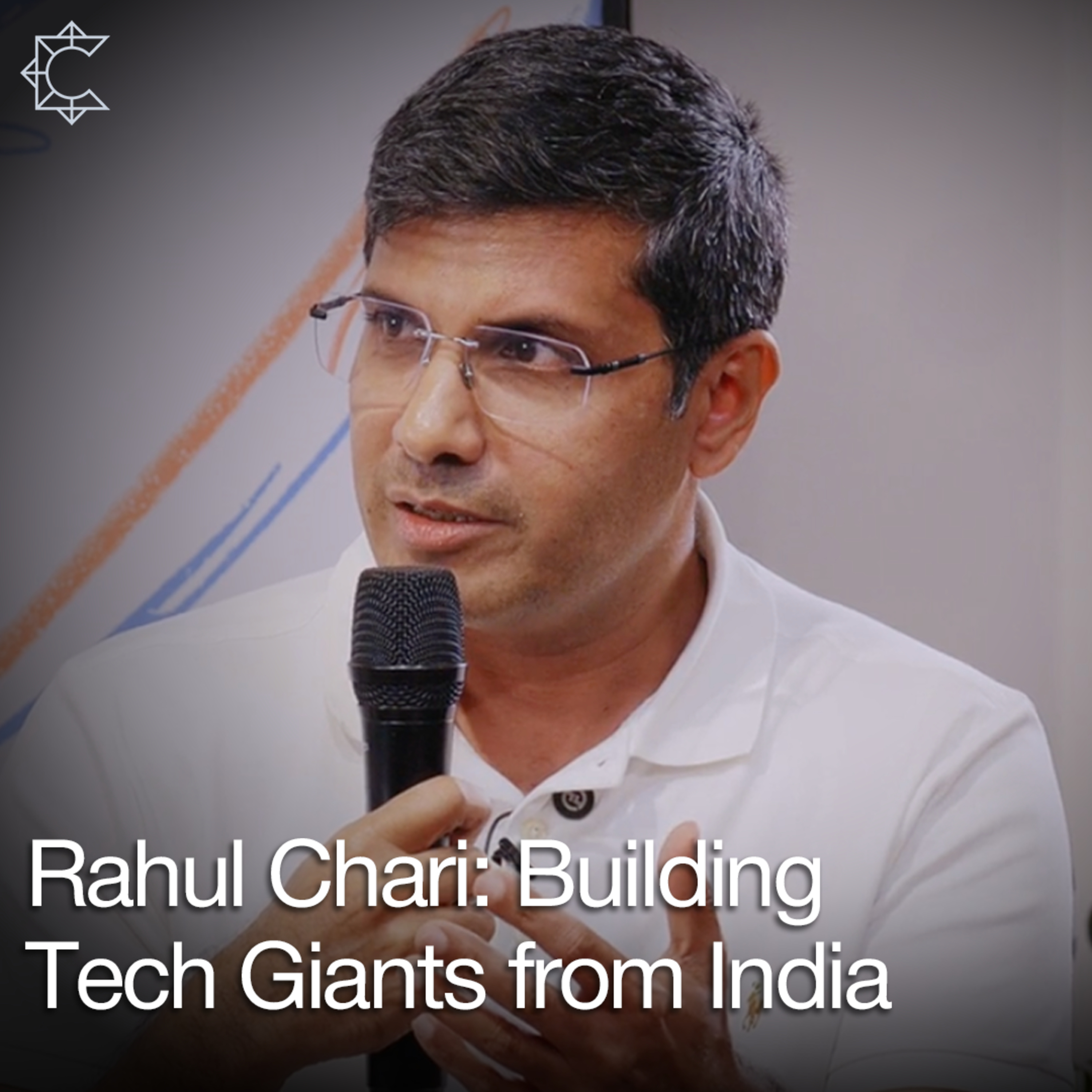
To manage hypergrowth, a startup must hire leaders who have already experienced scale orders of magnitude greater. Zipline hired ex-Tesla CFO Deepak Ahuja, who had scaled Tesla to a trillion-dollar valuation. This brings in crucial experience to navigate the challenges of the next growth phase that the existing team has never seen.