Get your free personalized podcast brief
We scan new podcasts and send you the top 5 insights daily.
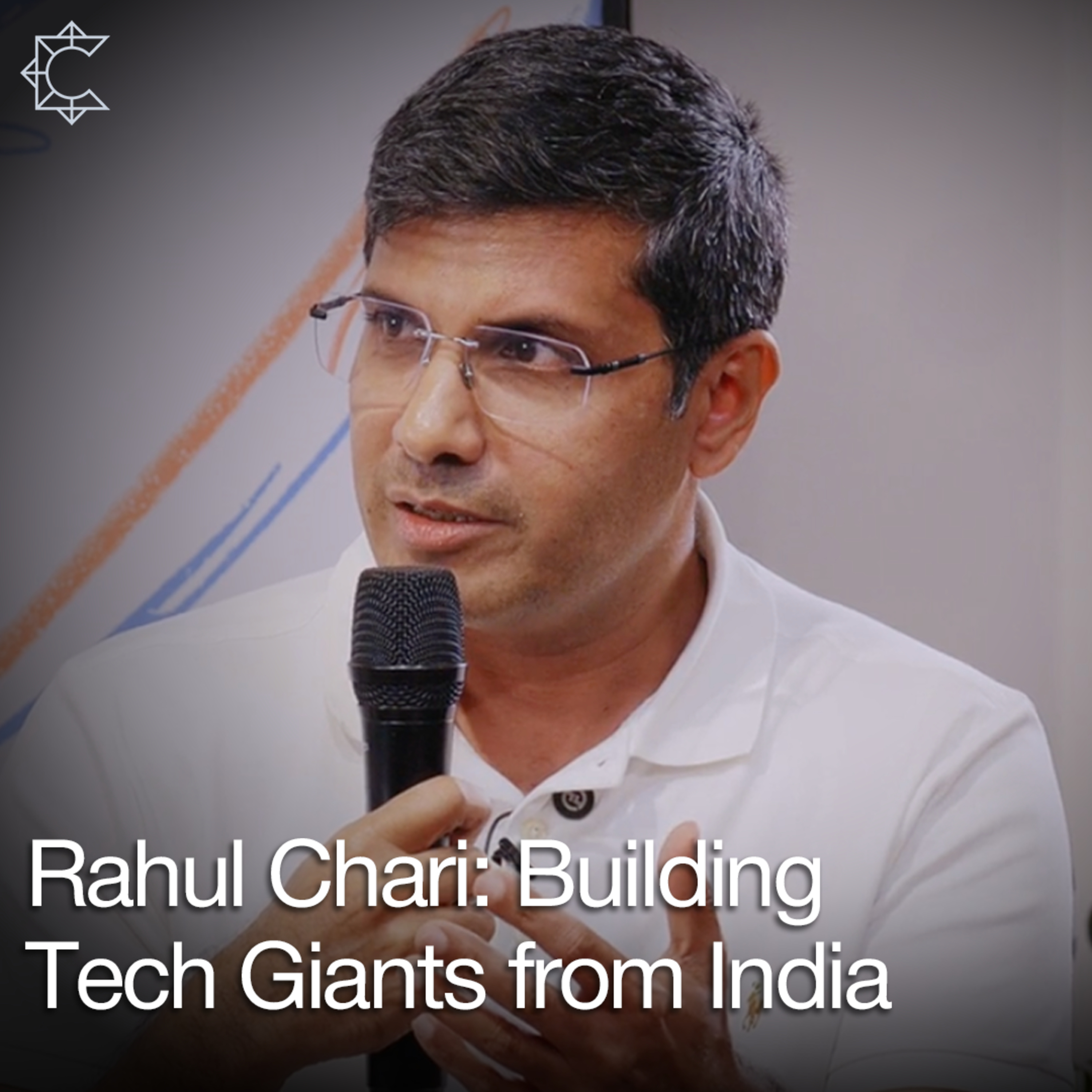
Learning from Flipkart's constant catch-up cycles, PhonePe's founders rejected the scrappy MVP approach. They invested nine months upfront to build a payment stack capable of future scale, ensuring technology was never a blocker to business growth.
Related Insights
Project-based companies operate on a cash flow mindset, accepting any custom work that brings in immediate revenue. A true product company uses an investment mindset, strategically saying 'no' to short-term revenue to invest in building a scalable asset that can win a market long-term.

Startups often fail to displace incumbents because they become successful 'point solutions' and get acquired. The harder path to a much larger outcome is to build the entire integrated stack from the start, but initially serve a simpler, down-market customer segment before moving up.

Wiz's product team, trained at Microsoft, avoids building features that only solve for today's customer but break with tomorrow's enterprise giant. This 'infinite scale' mindset isn't about slowing down; it's about making conscious architectural choices that prevent time-consuming and costly refactoring later on.

Technically-minded founders often believe superior technology is the ultimate measure of success. The critical metamorphosis is realizing the market only rewards a great business model, measured by revenue and margins, not technical elegance. Appreciating go-to-market is essential.

Investors like Stacy Brown-Philpot and Aileen Lee now expect founders to demonstrate a clear, rapid path to massive scale early on. The old assumption that the next funding round would solve for scalability is gone; proof is required upfront.
Contrary to a popular trend among Indian FinTechs, simply adding a lending product is not a surefire way to make money. PhonePe's CTO warns that lending is an extremely difficult business to get right and is globally known for causing startups to fail.
Rather than competing secretively, PhonePe openly shared its UPI failure data and even its onboarding copy with the government's Beam app. They correctly bet that improving the overall ecosystem's reliability and adoption would create a massive tailwind that would lift their boat highest.
Validate market demand by securing payment from customers before investing significant resources in building anything. This applies to software, hardware, and services, completely eliminating the risk of creating something nobody wants to buy.

Sea's multi-billion dollar fintech business wasn't a top-down strategic initiative. It was born from necessity to solve internal problems: a lack of payment methods for its gaming customers and the need for a scalable transaction system for e-commerce. This internal tool evolved into a major consumer-facing business.