Get your free personalized podcast brief
We scan new podcasts and send you the top 5 insights daily.
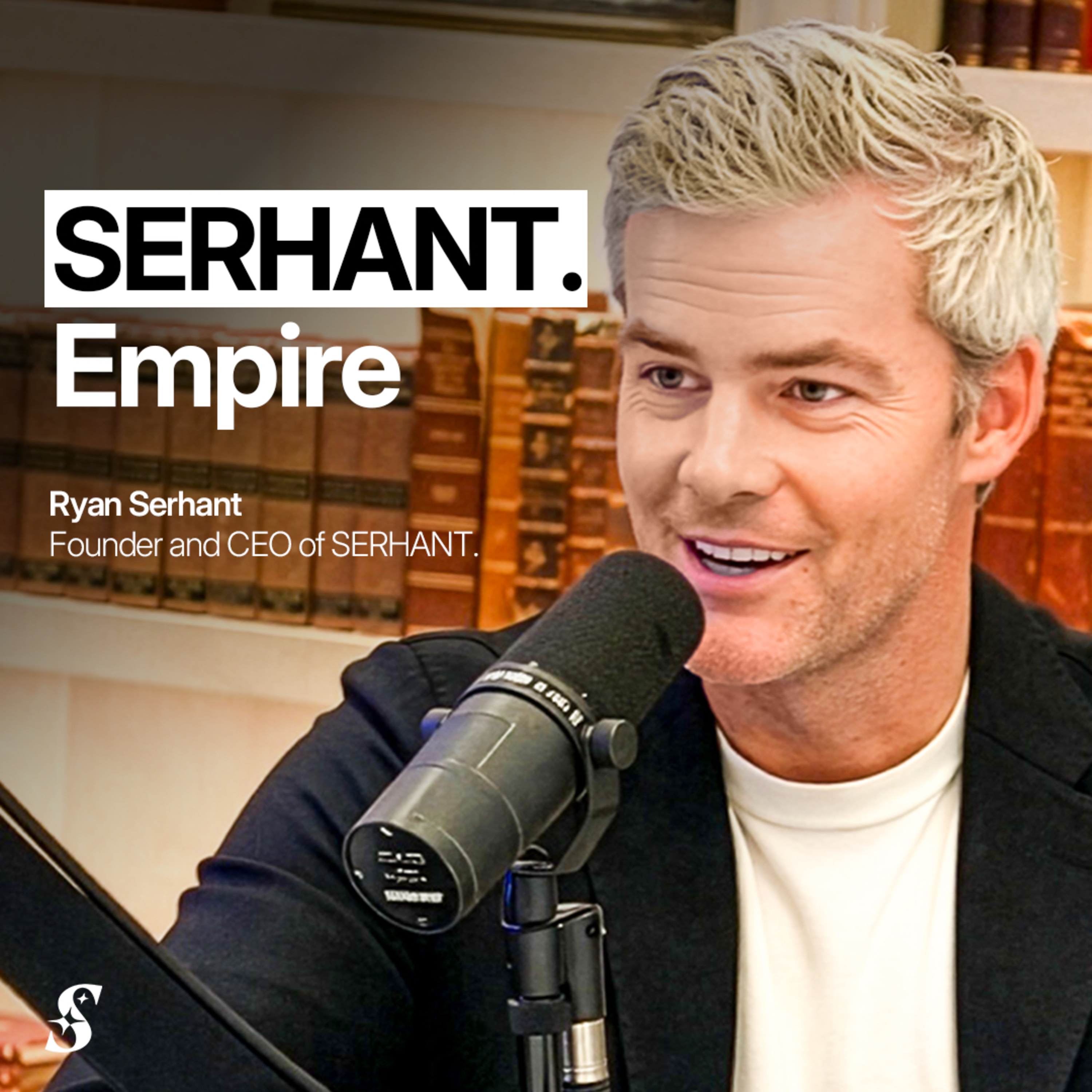
For Ryan Serhant, appearing on reality TV is a deliberate business strategy, not a quest for fame. He treats television as a powerful, organic lead funnel to build awareness and generate inbound interest for his real estate empire, directly connecting his media presence to business development.

Related Insights
The 'Foundry' incubator is filmed as a reality show to build narratives around its entrepreneurs before their products launch. This strategy aims to make the founders heroes in the public eye, creating an audience and customer base before the company even goes to market.

View your personal brand or "likeness" not just as a marketing tool, but as a strategic asset that generates deal flow. This asset grants access to rooms and relationships that can be converted into partnerships, ownership stakes, and long-term revenue streams, fundamentally shifting you from talent-for-hire to an equity holder.

Instead of focusing solely on direct YouTube monetization, Jefferson Graham's primary goal was to build a content library and proof-of-concept for his travel show, "Photo Walks TV." This strategy successfully positioned him to pitch and secure a licensing deal with the broadcast network Scripps News, fulfilling his dream of getting on TV.

By hosting a podcast for your local business community, you become the person who "throws the party." This gives you the leverage to invite influential guests who would otherwise ignore a sales pitch. The show builds your reputation and generates awareness, funneling business development opportunities back to you.

Don't reinvent the wheel for video series concepts. Look at popular, long-running TV shows like "Shark Tank" or "Million Dollar Listing" and adapt their format to your industry. This leverages a proven, engaging structure that audiences already understand and enjoy.

The true power of content creation extends beyond marketing. It acts as a magnet for opportunities you can't buy: inbound deal flow, high-quality talent, valuable friendships, and exclusive invitations. These serendipitous benefits often provide more long-term value than direct lead generation.

The future of creator monetization includes 'commercetainment'—live shows where the primary goal is entertainment but which also seamlessly integrate product sales. Skilled entertainers can make this feel authentic, creating a modern, interactive version of QVC that builds community and drives direct revenue.
Chip and Joanna never viewed their hit TV show as the end goal. Their primary focus remained on their core renovation business. They saw the show as a powerful marketing tool to secure 12+ projects per season, keeping them grounded in their long-term business goals, not just TV fame.

A marketing agency acquired its industry's largest trade publication not to become a publisher, but to create a powerful lead generation engine. Owning the trusted media source for his target clients (real estate agents) provided an unmatched top-of-funnel strategy, driving high-quality leads directly to his agency.
Ryan Serhant reframed his company not as a real estate firm using media, but a media company selling real estate. This core purpose informs hiring, product development, and strategy, enabling expansion beyond its initial vertical. The brand's primary function is content creation and audience aggregation.