Get your free personalized podcast brief
We scan new podcasts and send you the top 5 insights daily.
Chip and Joanna never viewed their hit TV show as the end goal. Their primary focus remained on their core renovation business. They saw the show as a powerful marketing tool to secure 12+ projects per season, keeping them grounded in their long-term business goals, not just TV fame.

Related Insights
Chip Gaines had an "actual phobia of cameras" and was terrified during early filming. This palpable discomfort, contrasted with Joanna's composure, created an authentic and relatable dynamic. His lack of polish became an unintentional secret weapon, making the show feel genuine to viewers.
Despite making millions, Chip and Joanna never took on outside investors. They knew private equity could accelerate growth and ease operational pain, but they chose to reinvest every dollar earned back into the business. This deliberate decision ensured they maintained complete control over their brand.
Don't dismiss the success of celebrity brands as unattainable. Instead, analyze the core mechanism: massive 'free reach' and 'memory generation.' The takeaway isn't to hire a celebrity, but to find your own creative ways to generate a similar level of organic attention and build a tribe around your brand.

Chip Gaines didn't start with a grand vision. He ran several small, cash-generating businesses in college. The accumulated profits from these ventures, not a traditional loan or investment, provided the capital for his first successful house flip, launching his real estate career.
A core tension for Magnolia was the clash between TV production and their actual construction business. Production needed projects completed in an accelerated 8-12 weeks, while a real renovation takes months. This forced them to constantly navigate the conflicting priorities of making a good show versus serving their clients.
A successful entrepreneur who built her business on her personal brand now cautions against it being the only viable strategy. She admits she was wrong and now advocates for building businesses not tied to one's name and likeness, stressing the need to separate the human from the brand.

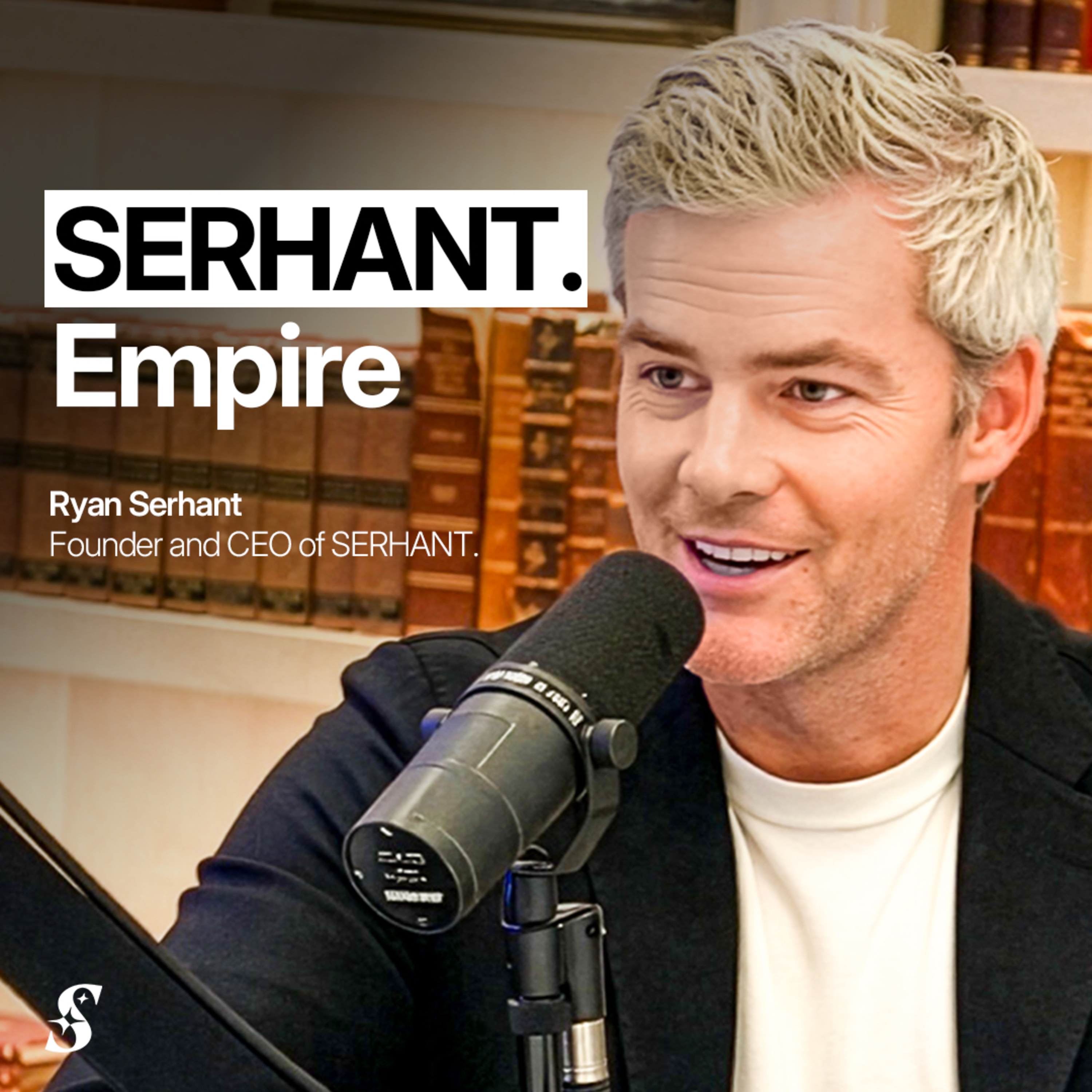
Ryan Serhant reframed his company not as a real estate firm using media, but a media company selling real estate. This core purpose informs hiring, product development, and strategy, enabling expansion beyond its initial vertical. The brand's primary function is content creation and audience aggregation.
Facing potential bankruptcy during the 2008 financial crisis, Chip and Joanna got scrappy. Joanna used vendor contacts to buy inventory and host one-day pop-up shops inside their active renovation projects. This tactic generated crucial cash flow, allowing them to pay off debts and survive the downturn.
Chip Gaines admitted he lacked the technical skills for his first renovation. His success came from his relational ability: finding the right craftspeople, treating them well, and learning from them on the job. His network was more valuable than his initial know-how.
When advised that leaving their hit show would destroy their brand, the Gaineses drew strength from a past decision. Years earlier, Joanna closed her first shop to focus on family, trusting it would return. That past experience of letting go and being rewarded gave them the confidence to take the much larger risk.