Get your free personalized podcast brief
We scan new podcasts and send you the top 5 insights daily.
Domino's new single-serving pizza targets the 43% of meals eaten alone. The strategy recognizes its real competition isn't other pizza chains, but fast-casual restaurants like Chipotle or McDonald’s, where solo diners can order without compromise.

Related Insights
Domino's became a top-performing stock not by having the best pizza, but by focusing on convenience through technology. Their app created a direct customer relationship, enabling better targeting and a smoother experience. This tech advantage transitioned into a physical world distribution and scale advantage.

By selling premium slices for $5-$6, restaurants generate more revenue per pizza than if sold whole. Simultaneously, consumers perceive a two-slice meal as a high-value $10-$12 lunch in an inflationary economy. This product strategy creates a rare win-win for both the business and the customer.

Ghost kitchens struggle because they lack the built-in customer acquisition of a physical restaurant. For small brands, it's too hard to build awareness. For large brands like Chipotle, the opportunity cost of the real estate is too high; a full restaurant serving both dine-in and takeout is more profitable.
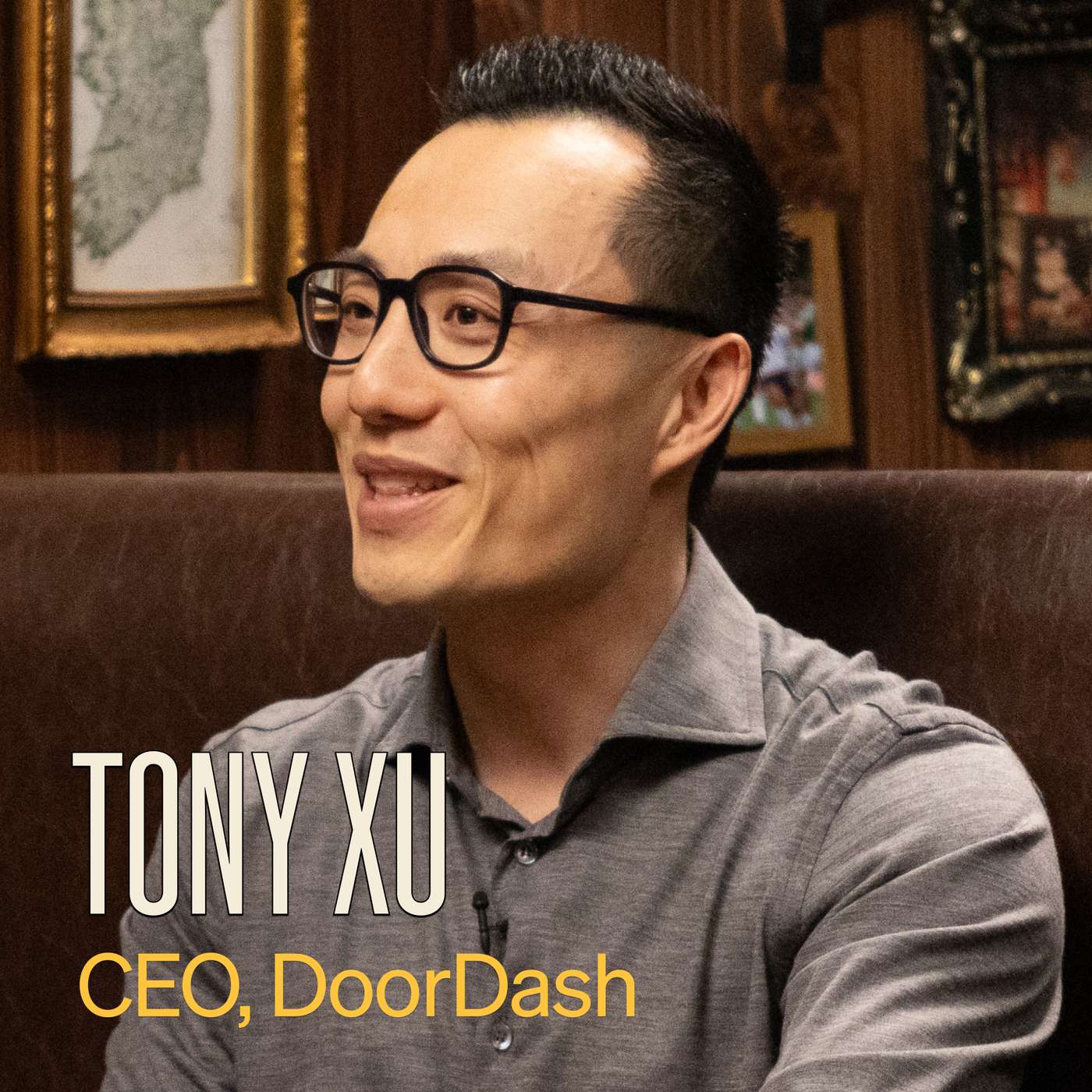
Dara Khosrowshahi predicts the restaurant industry is splitting. One path is pure utility, optimized for delivery via dark kitchens. The other is pure romance, focused on in-person hospitality and ambiance. Restaurants that fail to excel at one or the other and get stuck in the middle will lose share.

Contrary to typical financial advice, consistently eating out at places like Chipotle can be a strategic choice. View it as a more flexible and efficient form of outsourcing meal prep to a business that has optimized the process, saving you time and eliminating grocery bills and mental energy.

Creating a "Chipotle for X cuisine" fails because maintaining quality control becomes exponentially harder with each new location. The challenge isn't the initial concept, but preventing inconsistent quality in food and service as you scale, which erodes customer trust and retention.
A takeaway order leverages a restaurant's fixed costs (rent, most labor) far more efficiently than a dine-in order. While a dine-in dollar might net 10 cents of profit, an incremental delivery dollar can generate 3-5 times that margin because it avoids tying up table space and front-of-house staff.
Pizza chains historically dominated food delivery because they had their own drivers. The rise of apps like DoorDash and Uber Eats has given every restaurant access to a delivery fleet, eroding pizza's core moat and contributing to its decline from its peak popularity.

By observing social media complaints about high fast food prices, Chili's reframed its market to compete directly with brands like McDonald's. This agile repositioning, which highlighted its superior value for a similar price, allowed them to tap into a new customer base and drive significant growth.
As consumers face price pressure, McDonald's is aggressively reclaiming its 'value' position. This strategic move pulls customers away from higher-priced fast-casual competitors, whose stock prices reflect this consumer shift and expose the vulnerability of the 'bowl lunch' economy.
