Get your free personalized podcast brief
We scan new podcasts and send you the top 5 insights daily.
A structured networking format, where attendees are prompted to switch partners every five minutes, removes the social awkwardness of cold approaches. This "forced" interaction makes it easier for people to connect, proving more effective than letting guests mingle freely in a traditional bar setting.

Related Insights
The goal of networking shouldn't be to find your next customer. Instead, strategically identify and connect with potential referral partners. One such partner can become a center of influence, introducing you to hundreds of ideal customers, far outweighing the value of a single transaction.
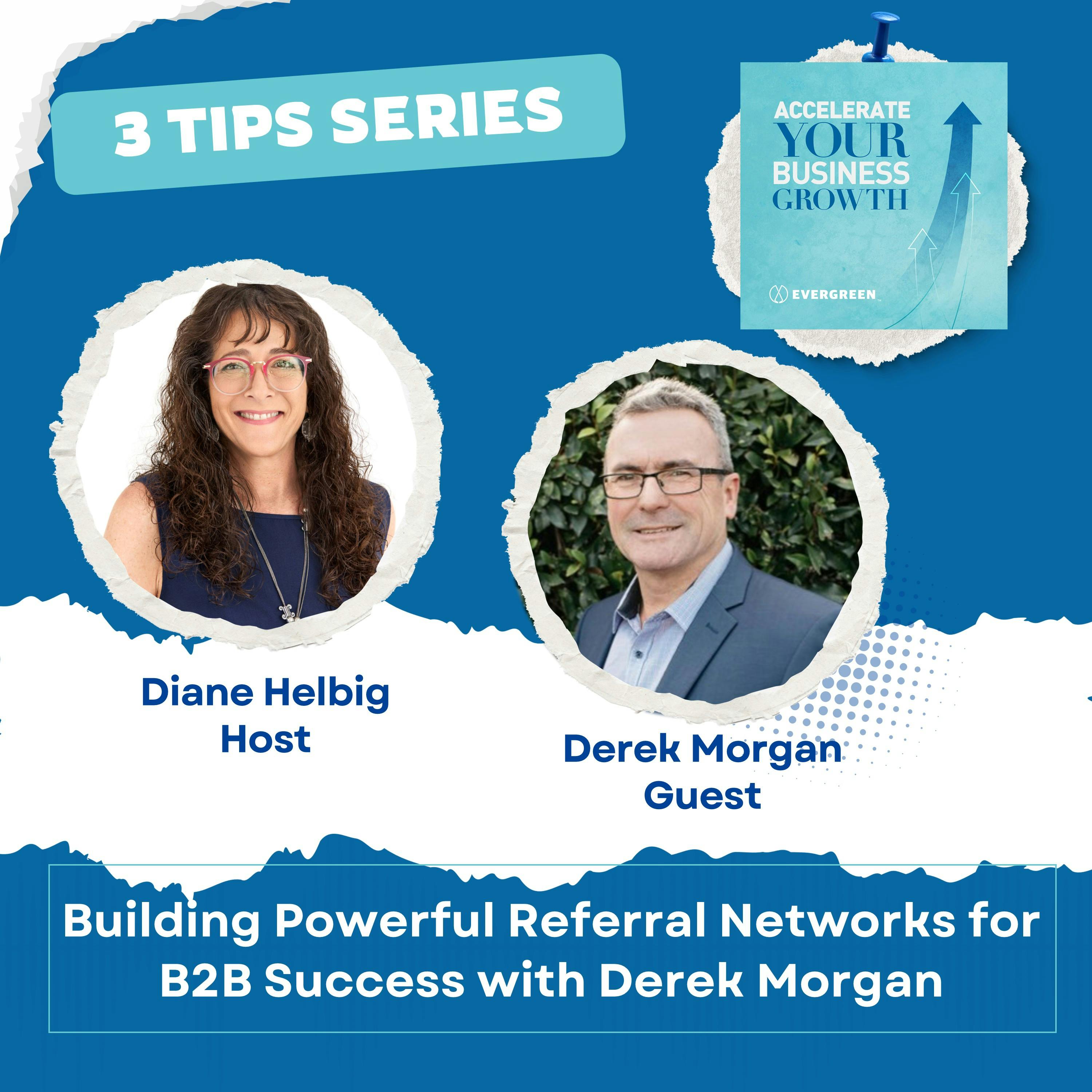
Events over-index on extrovert-friendly networking. Rachel Andrews notes that since most attendees are introverts or "ambiverts," passive formats like topic tables are ineffective. Success requires forcing connections in smaller, structured, and fun ways, like a pickleball tournament, which facilitates natural bonding over forced conversation.

Attendees often value spontaneous conversations more than structured entertainment. To facilitate this, event planners should deliberately create an environment for connection. This means lowering music volume, adding comfortable seating, and avoiding a packed schedule, especially during welcome parties.

Effective facilitation is more than just managing a meeting; it's creating "proactive, productive serendipity." By intentionally connecting the right people, making them feel welcome, and structuring the environment for psychological safety, a facilitator turns random chance into purposeful, high-value interactions.
Don't leave networking to chance. Proactively identify and maintain a written list of at least 20 people in your network who naturally enjoy introducing others. Pairing this list with your target prospect list creates a repeatable, machine-like process for generating warm introductions.

The most valuable, long-term relationships at conferences are not made during official sessions but in informal settings like dinners or excursions. Actively inviting people to these outside activities is key to building deeper connections that last for years.

The most important part of a specialized conference isn't the talks, which are typically recorded, but the 'hallway track'—the unstructured conversations with speakers and other expert attendees. Maximizing this value requires intentionality and a clear goal for engagement, as these serendipitous connections are the primary reason to attend in person.
![⚡ [AIE CODE Preview] Inside Google Labs: Building The Gemini Coding Agent — Jed Borovik, Jules thumbnail](https://assets.flightcast.com/V2Uploads/nvaja2542wefzb8rjg5f519m/01K4D8FB4MNA071BM5ZDSMH34N/square.jpg)
To get the most out of a short mastermind, implement a clear structure instead of "winging it." A schedule combining social connection (dinners) with focused work sessions (roundtables, "hot seats") ensures that the group's limited time is used for maximum impact and return on investment.

Even for extroverts, large, loud conference parties are ineffective for meaningful business conversations. Smaller, more intimate events like dinners provide a better environment for building genuine relationships, gathering informal customer references, and discussing strategic business challenges in a relaxed setting.

Instead of generic networking, founder Janice Omadeke prepared for her accelerator by creating hyper-specific lists of target mentors. She cross-referenced sponsors and partners with HR leaders at "best places to work," enabling her to make targeted, intelligent asks and maximize every networking opportunity.
