Get your free personalized podcast brief
We scan new podcasts and send you the top 5 insights daily.
CEOs like Meta's Mark Zuckerberg are now driven by a "spiteful" backlash against the perceived inefficiencies and consensus-driven culture of 2021. This results in an aggressive, risk-tolerant leadership style, where they'd rather fail spectacularly pursuing a vision than be mediocre and safe.

Related Insights
Zuckerberg categorizes AI players by their AGI timeline predictions (optimist, moderate, pessimist), which dictates investment. He positions Meta's strong cash flow as a durable advantage to survive a potential bubble burst that would bankrupt unprofitable competitors like OpenAI.

Mark Zuckerberg's ability to make massive, margin-reducing capital expenditures in AI is a direct result of his founder control. Unlike other CEOs, he can ignore short-term market reactions and invest billions in long-term strategic pivots.

Despite skepticism about recent large bets, Mark Zuckerberg has a proven track record of successfully navigating massive technological shifts. His history of beating MySpace, pivoting to mobile, acquiring Instagram, and launching Reels to counter TikTok demonstrates formidable strategic agility.
Top AI leaders are motivated by a competitive, ego-driven desire to create a god-like intelligence, believing it grants them ultimate power and a form of transcendence. This 'winner-takes-all' mindset leads them to rationalize immense risks to humanity, framing it as an inevitable, thrilling endeavor.

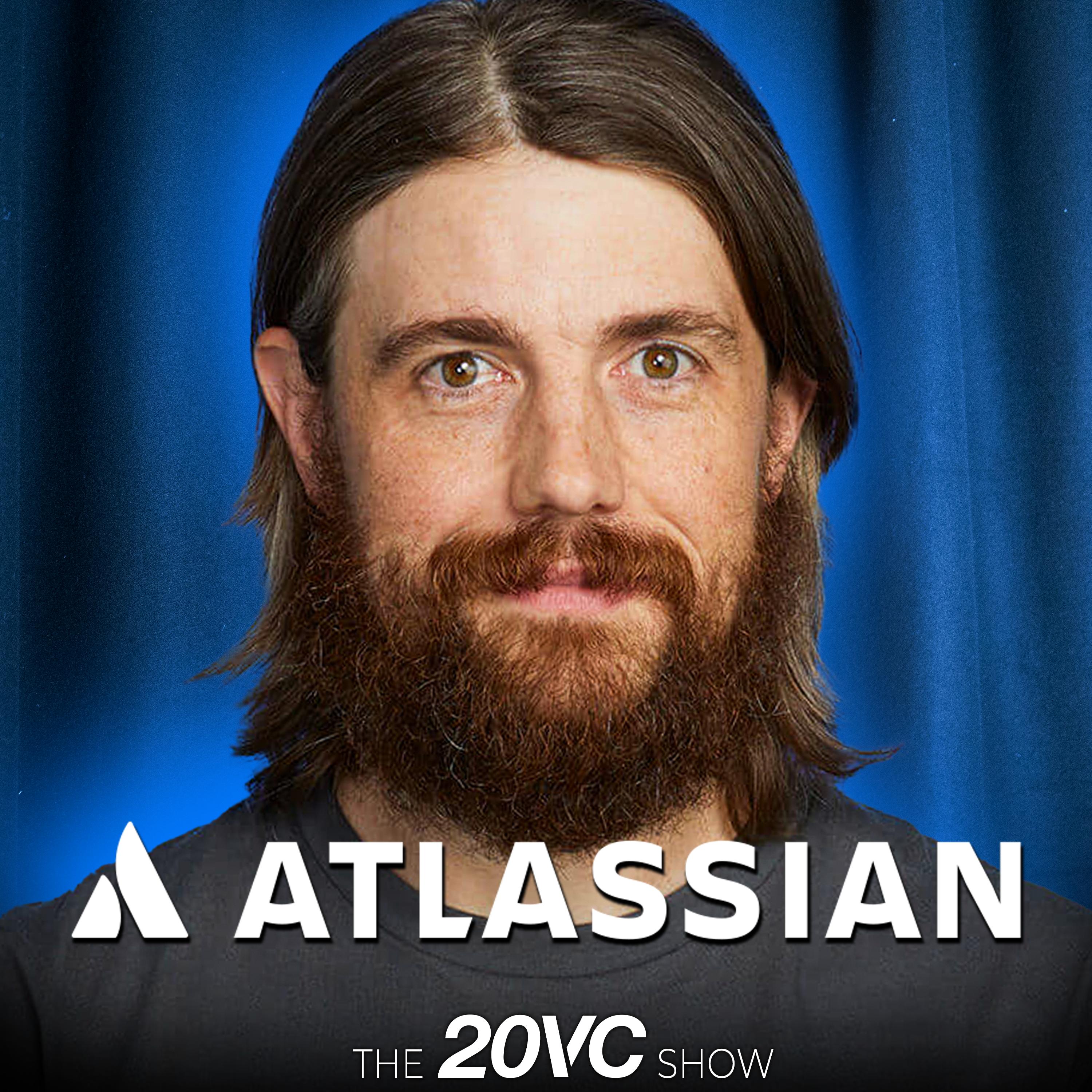
Citing a George Bernard Shaw quote, Atlassian's CEO explains that progress is driven by "unreasonable" individuals who challenge existing systems rather than accepting them. This mindset is essential for innovation, even if it sometimes leads to trouble.
When discussing Meta's massive AI investment, Mark Zuckerberg framed the risk calculus in stark terms. He believes that while building infrastructure too early and "misspending" a couple hundred billion dollars is a possibility, the strategic risk of being too slow and missing the advent of superintelligence is significantly higher.

During a routine roadmap review, Nvidia's CEO unexpectedly abolished a major product line and reassigned a third of the company's engineers. This exemplifies the fearless, rapid, and decisive leadership required to navigate fast-moving tech markets.
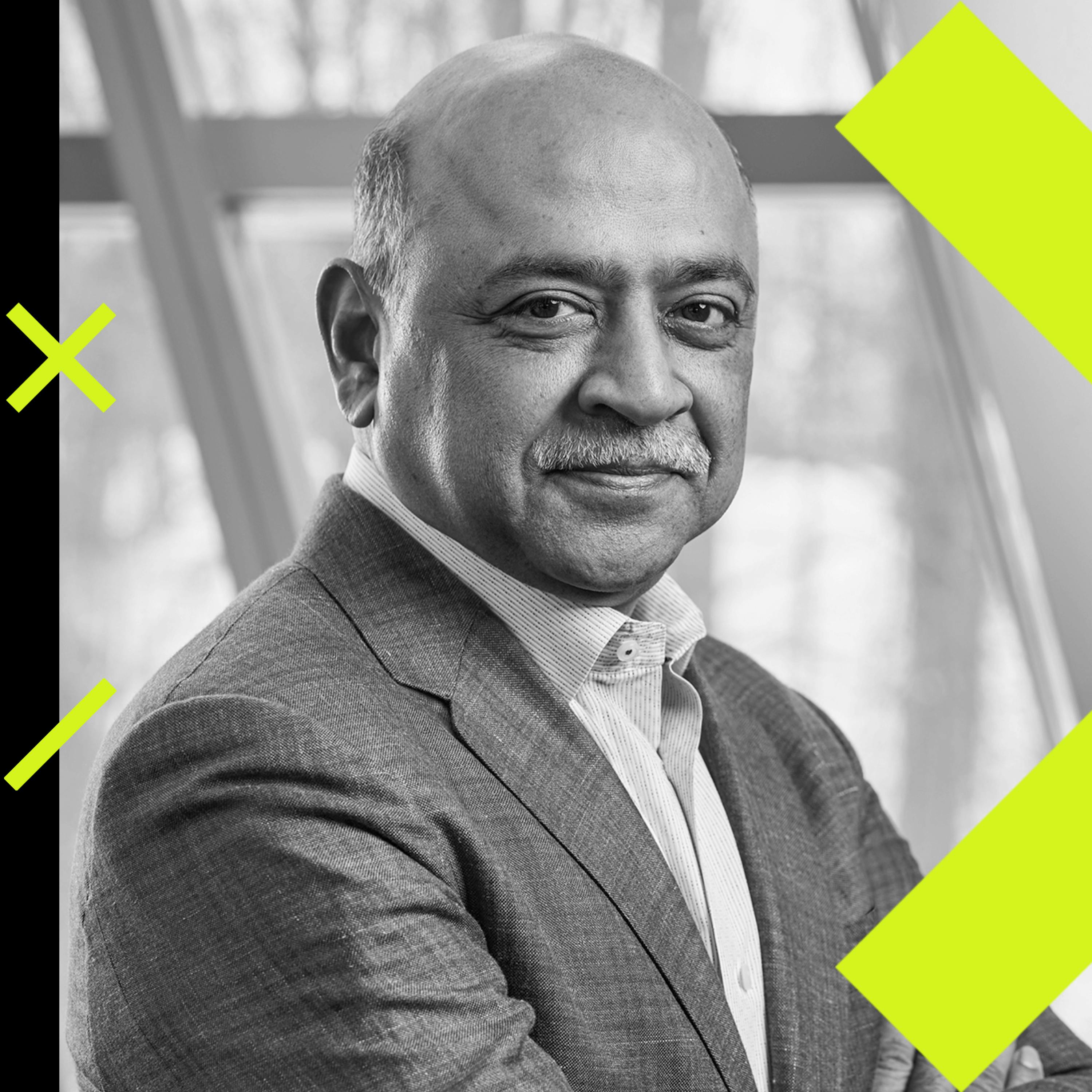
Arvind Krishna keeps a Red Hat on his shelf to symbolize the conviction behind the $34B acquisition. He believes that if a leader's conviction on a company-altering bet is wrong, they "should be fired." It represents the intense personal accountability needed to push through high-stakes strategic change.
The worship of founders like Mark Zuckerberg leads to a lack of internal pushback on massive, ill-conceived bets. Swisher points to the billions spent on the metaverse as a mistake made on an "awesome scale" because no one around the founder was empowered to challenge the idea.
The ambition to be a CEO isn't just about leadership; it's a practical blend of ego, a need for control, and financial motivation. Critically, it stems from a deep-seated belief in one's own judgment and risk appetite, especially during pivotal market shifts that require bold, swift action.
