Get your free personalized podcast brief
We scan new podcasts and send you the top 5 insights daily.
Tom argues the internet lets comedians build audiences directly, and algorithms reward engagement rather than institutional approval. He says promoters then follow audience data, so claims that women are oppressed in comedy need evidence of algorithmic bias, not anecdotes about hate comments or old gatekeepers.

Related Insights
Algorithms now push content based on its quality and relevance to user interests, not the creator's follower count. A new account can go viral and outperform established ones, creating a true meritocracy.

Blaming algorithms for low reach is a failure of accountability. Algorithms are neutral supply-and-demand platforms that reward value. Instead of complaining, creators must accept the feedback that their content isn't funny, smart, or innovative enough to beat the competition.
Unlike old network executives who could be persuaded, YouTube's algorithm acts as an opaque and unassailable gatekeeper. Creators cannot negotiate with it, making it a more powerful and frustrating arbiter of success than the old system it replaced.

In the pre-internet era, a small number of executives and critics decided what art was produced and celebrated. Today, social media algorithms allow the audience to decide what is 'good' by rewarding it with attention, enabling talent that would have been overlooked by the old system to thrive.
Neal Mohan reframes YouTube's recommendation engine as a direct reflection of audience choice, not an opaque AI gatekeeper. He argues that what is often called the "algorithm" is simply the collective voice of 2 billion daily viewers giving feedback and deciding what content rises to the top.
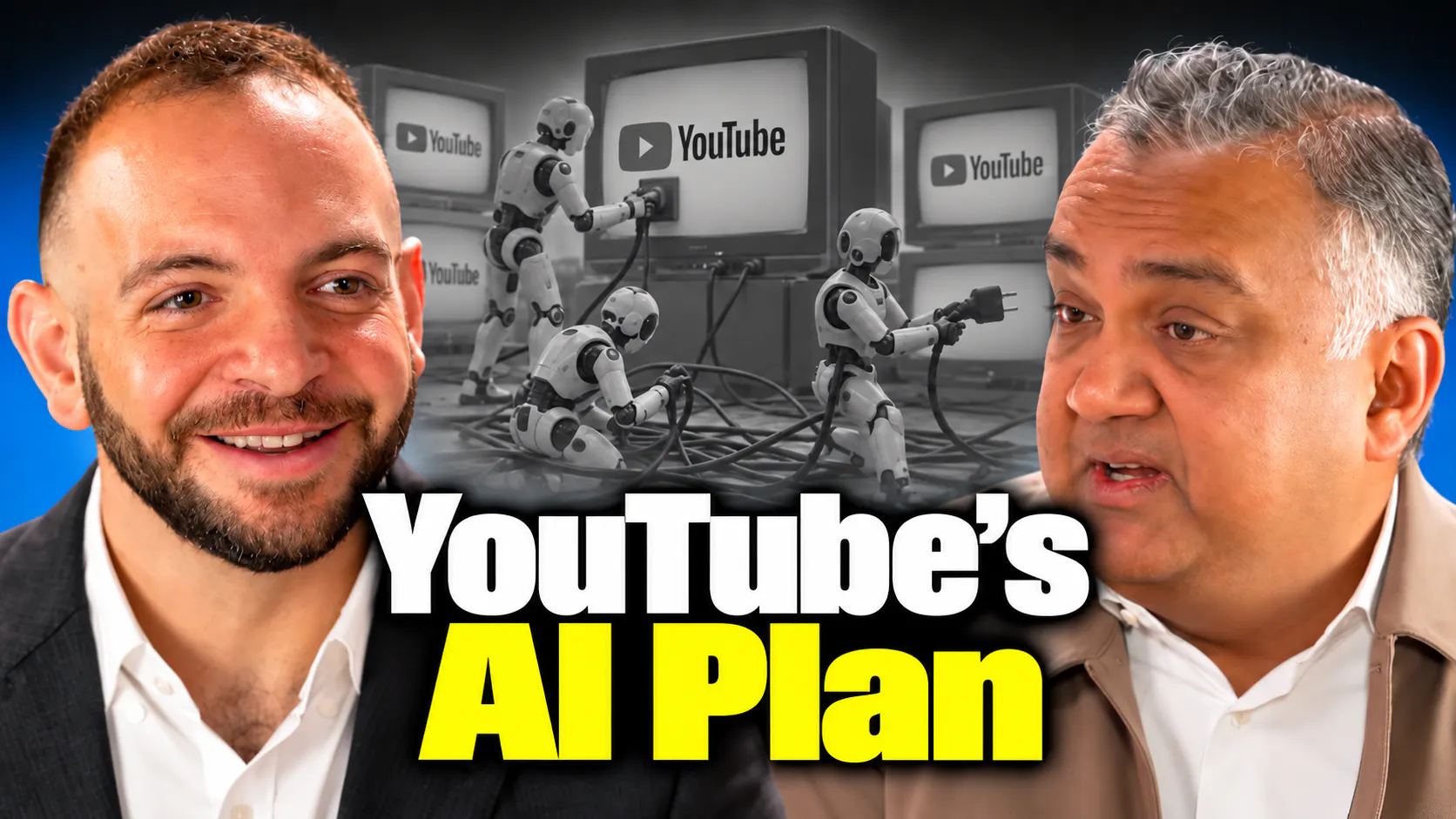
Much like an appearance on Johnny Carson's show once launched a comedian's career, "Kill Tony" now serves as the industry's primary talent discovery engine. Agents and producers watch the live-streamed show to scout undiscovered talent, bypassing traditional gatekeepers.
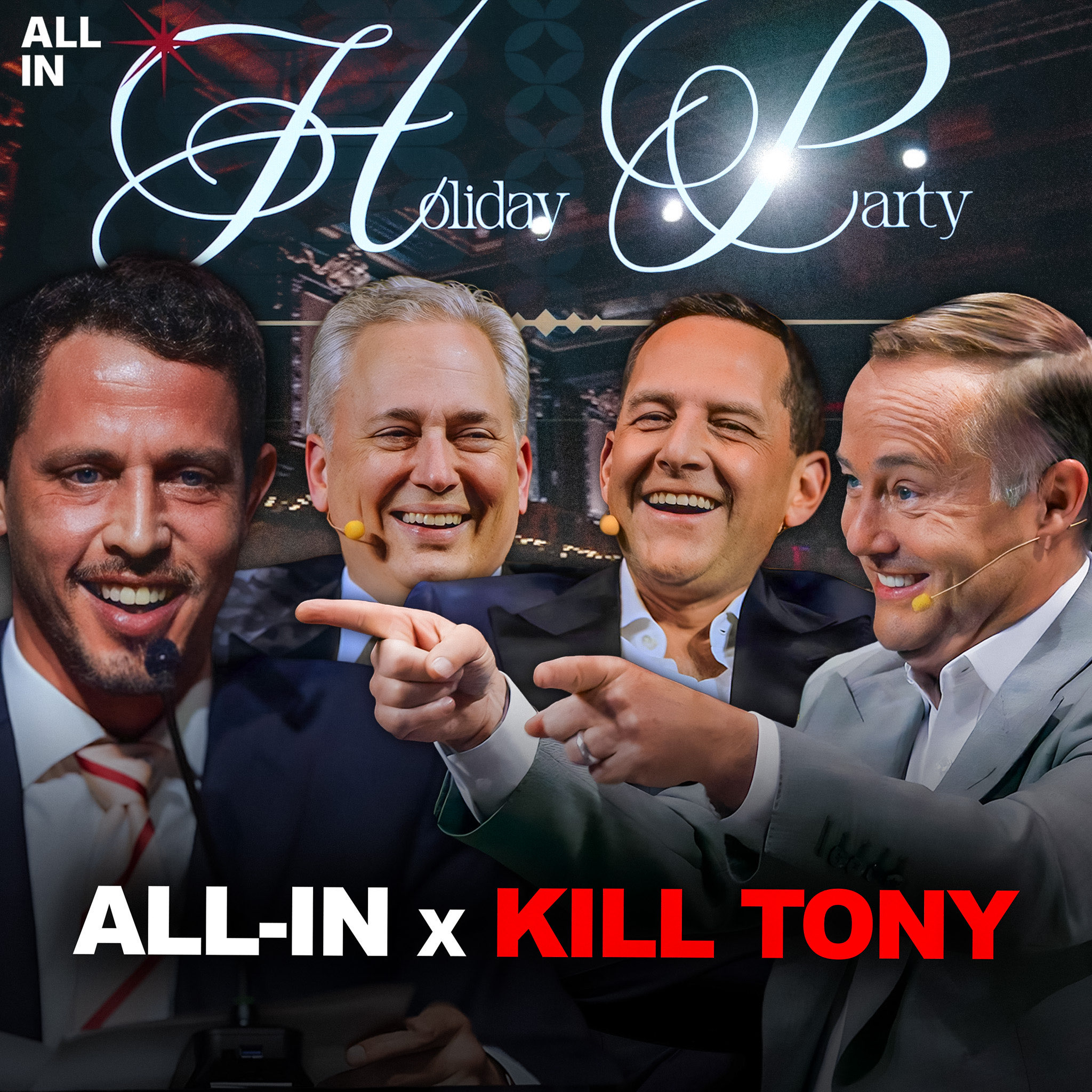
Algorithmic social distribution rewards consumer engagement rather than institutional gatekeeping, allowing creators to circumvent traditional entertainment power brokers entirely. Creators who achieve sufficient audience resonance can no longer be suppressed by historical gatekeepers, making claims of systemic bias within open digital distribution uncompelling.
Zarna Garg's data-driven analysis of her performances revealed that certain topics are non-starters, regardless of joke quality. Audiences eagerly engage with mother-in-law jokes but completely "check out" for father-in-law jokes, showing that receptivity is tied to pre-existing cultural tropes, not just clever writing.

Analyst Ben Thompson's 2017 prediction is coming true. The internet, particularly YouTube, creates a merit-based filter where creators must prove their value to an audience first, bypassing traditional Hollywood gatekeepers. This makes them a more proven bet for film success.

Social media lets comedians build audiences directly, bypassing traditional gatekeepers. While this empowers many, Punch Up's founder argues it's a "mixed bag." A talented but not social media-savvy comic like Mitch Hedberg might fail today without the industry "shepherds" who once nurtured them.
