Get your free personalized podcast brief
We scan new podcasts and send you the top 5 insights daily.
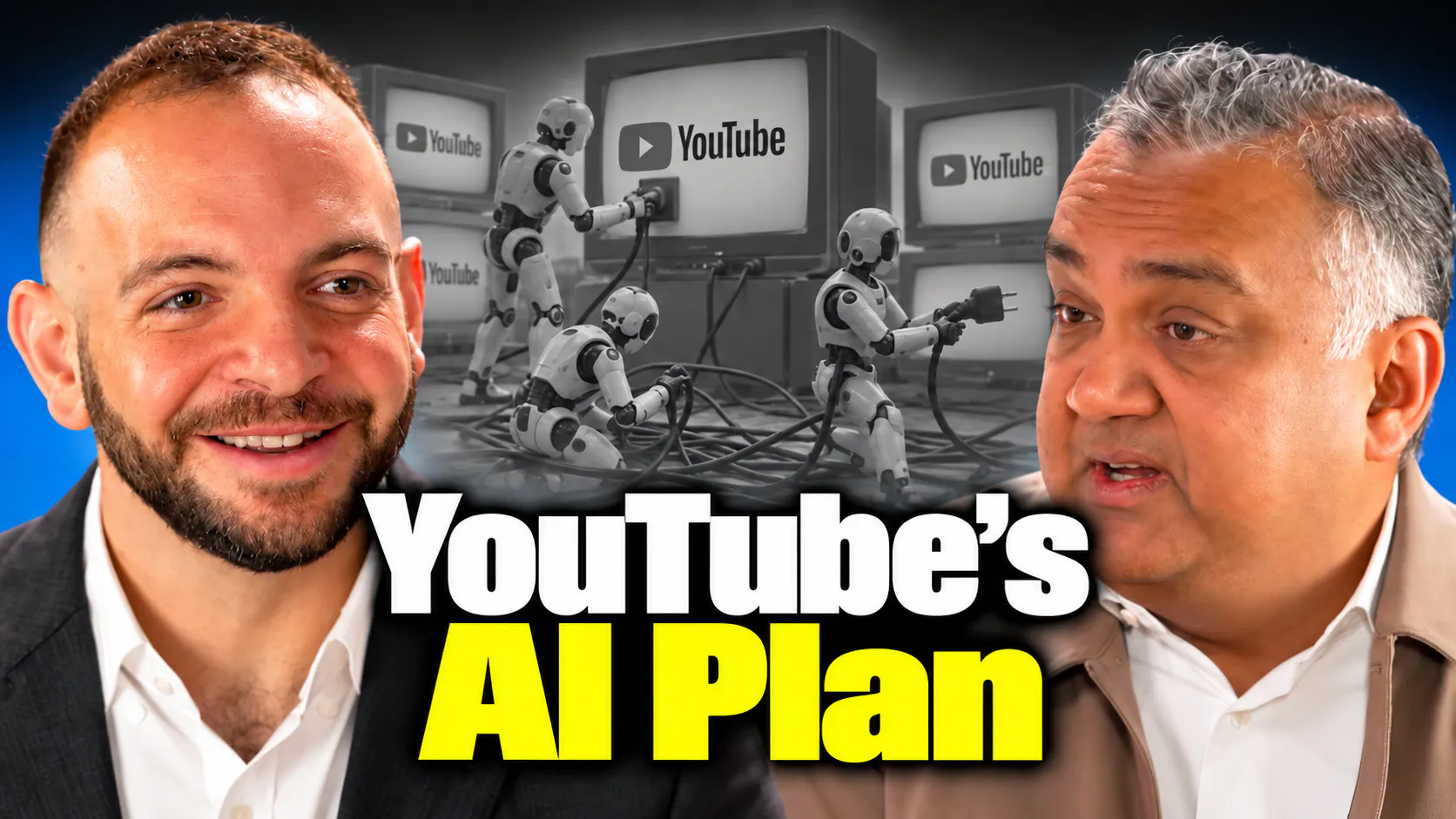
Neal Mohan reframes YouTube's recommendation engine as a direct reflection of audience choice, not an opaque AI gatekeeper. He argues that what is often called the "algorithm" is simply the collective voice of 2 billion daily viewers giving feedback and deciding what content rises to the top.
Related Insights
Blaming algorithms for low reach is a failure of accountability. Algorithms are neutral supply-and-demand platforms that reward value. Instead of complaining, creators must accept the feedback that their content isn't funny, smart, or innovative enough to beat the competition.

Unlike old network executives who could be persuaded, YouTube's algorithm acts as an opaque and unassailable gatekeeper. Creators cannot negotiate with it, making it a more powerful and frustrating arbiter of success than the old system it replaced.

Since 2013, YouTube's AI algorithm has focused on viewer satisfaction. By creating content that viewers value, you trigger the algorithm to distribute your videos to the ideal audience, effectively providing free customer acquisition without paying for ads.

Mohan positions AI not as a tool that dictates creative choices, but as infrastructure that builds a better "stage" for creators. Its purpose is to help creators produce and distribute their work more efficiently, enhancing their capabilities rather than replacing their artistic vision.
When questioned about censorship alongside Twitter and Facebook, CEO Neal Mohan deliberately reframes YouTube's identity. He asserts YouTube has more in common with streaming platforms than social media feeds. This is a strategic move to distance the brand from social media's controversies and align it with the entertainment industry.
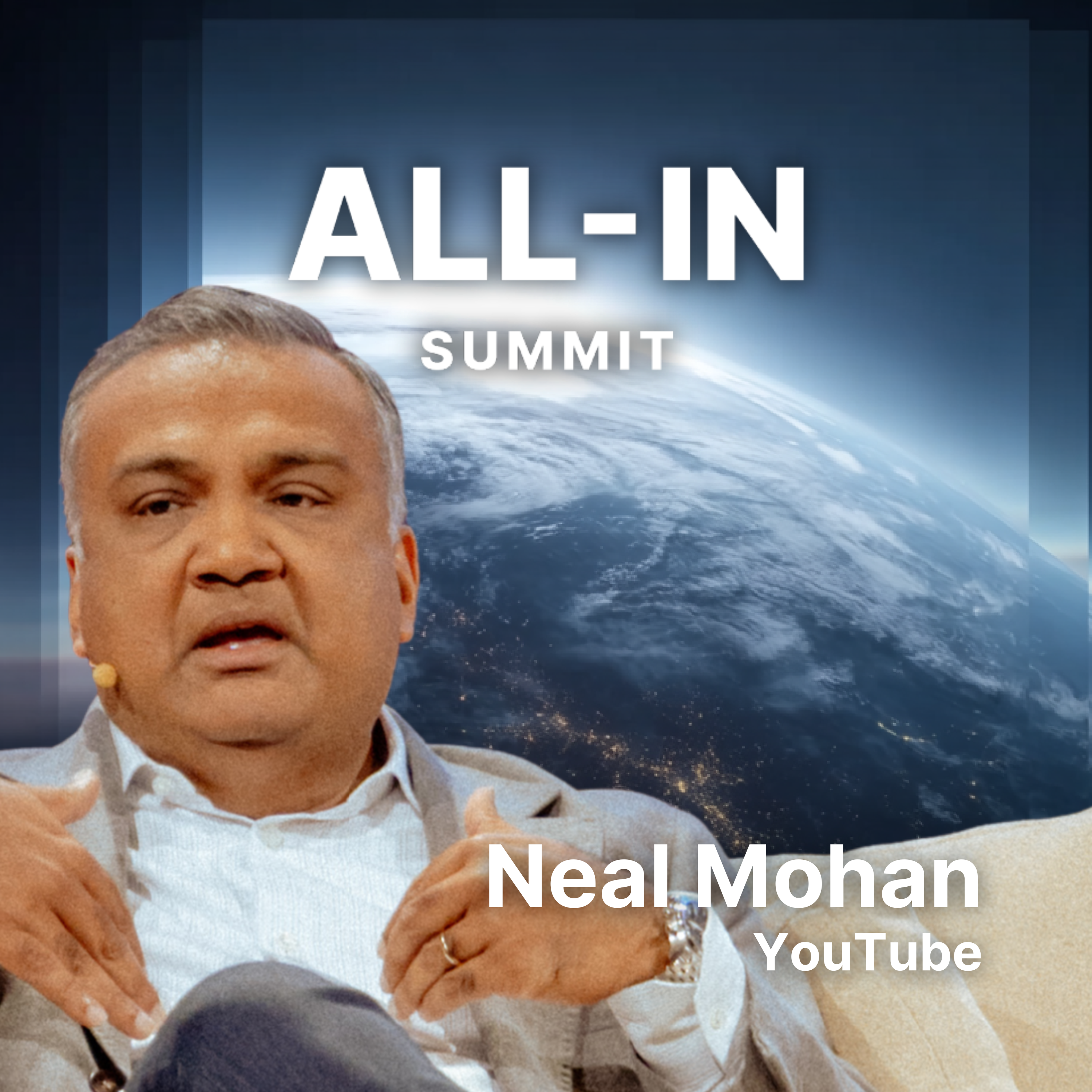
Stop thinking of 'feeding the algorithm' as a cynical game. The algorithm's core function is to surface what people find relevant. Therefore, creating content for the algorithm is fundamentally the same as creating content that captures genuine consumer attention and serves their interests.
In response to concerns that AI optimization leads to content sameness, CEO Neal Mohan argues the opposite. He claims YouTube's massive scale and lack of gatekeepers allow millions of hyper-specific, yet large, niche communities to flourish, thereby promoting content diversity rather than homogeneity.
The common belief that algorithms dictate our consumption is false. Algorithms are designed for user retention, so they will rapidly adapt to what you actively search for and engage with. You can completely change your feed by intentionally seeking out different content, proving the user is in control.
Stop viewing 'the algorithm' and 'the audience' as separate forces. The algorithm is simply a neutral, black-and-white feedback mechanism that reports on how well your content resonated with people. Success comes from focusing on the audience, and the algorithm's 'score' will reflect that.
The common belief is that algorithms dictate what we like. Gary Vaynerchuk argues the opposite: algorithms are a mirror, reflecting and amplifying our existing interests to keep us engaged. This shifts the responsibility from the platform to the individual for their consumption habits.