Get your free personalized podcast brief
We scan new podcasts and send you the top 5 insights daily.
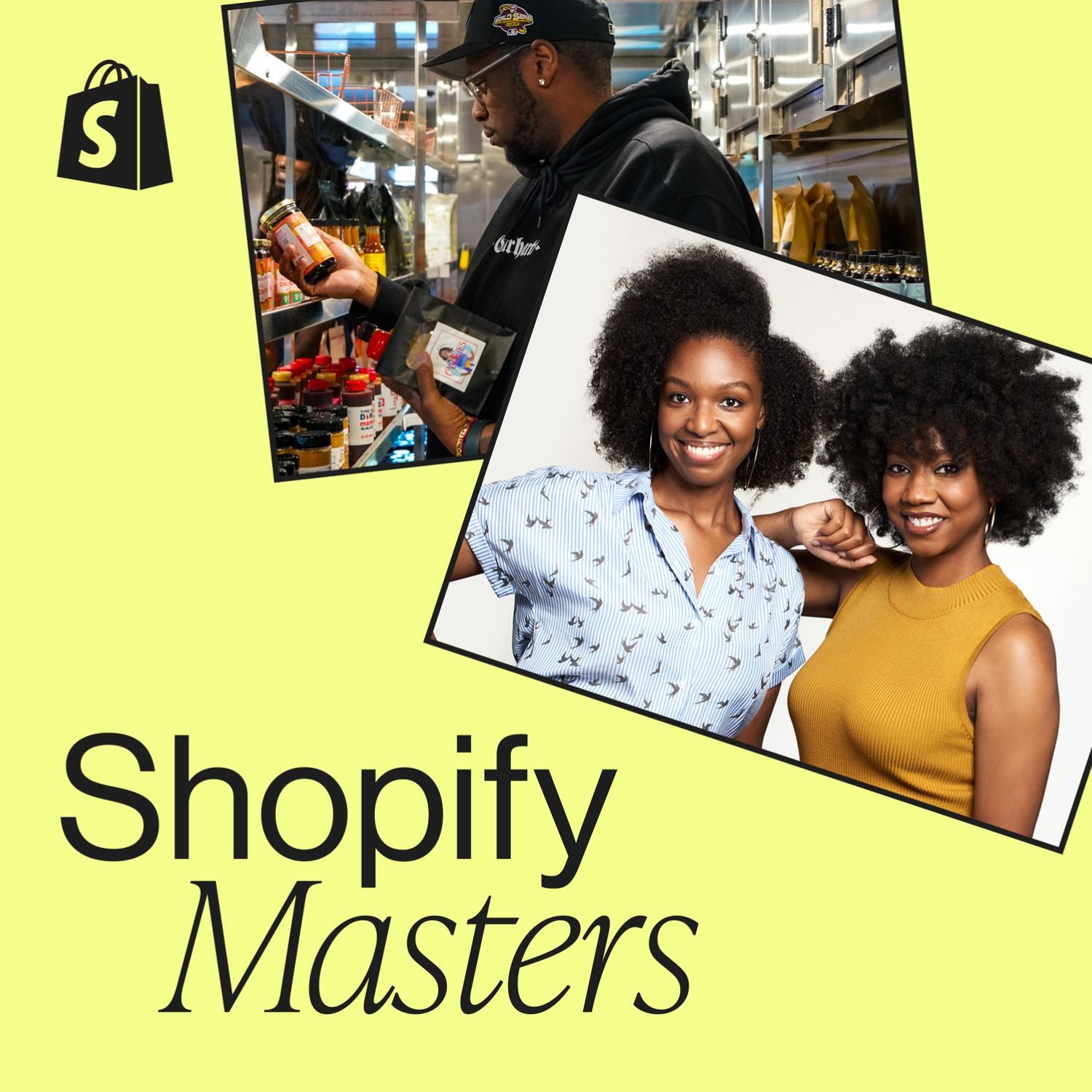
Prosperity Market's first big grant wasn't a direct check but a $25,000 match for a crowdfunding campaign. This structure forced them to learn fundraising discipline and provided essential training, creating a more successful and engaged funding round than a simple donation would have.
Related Insights
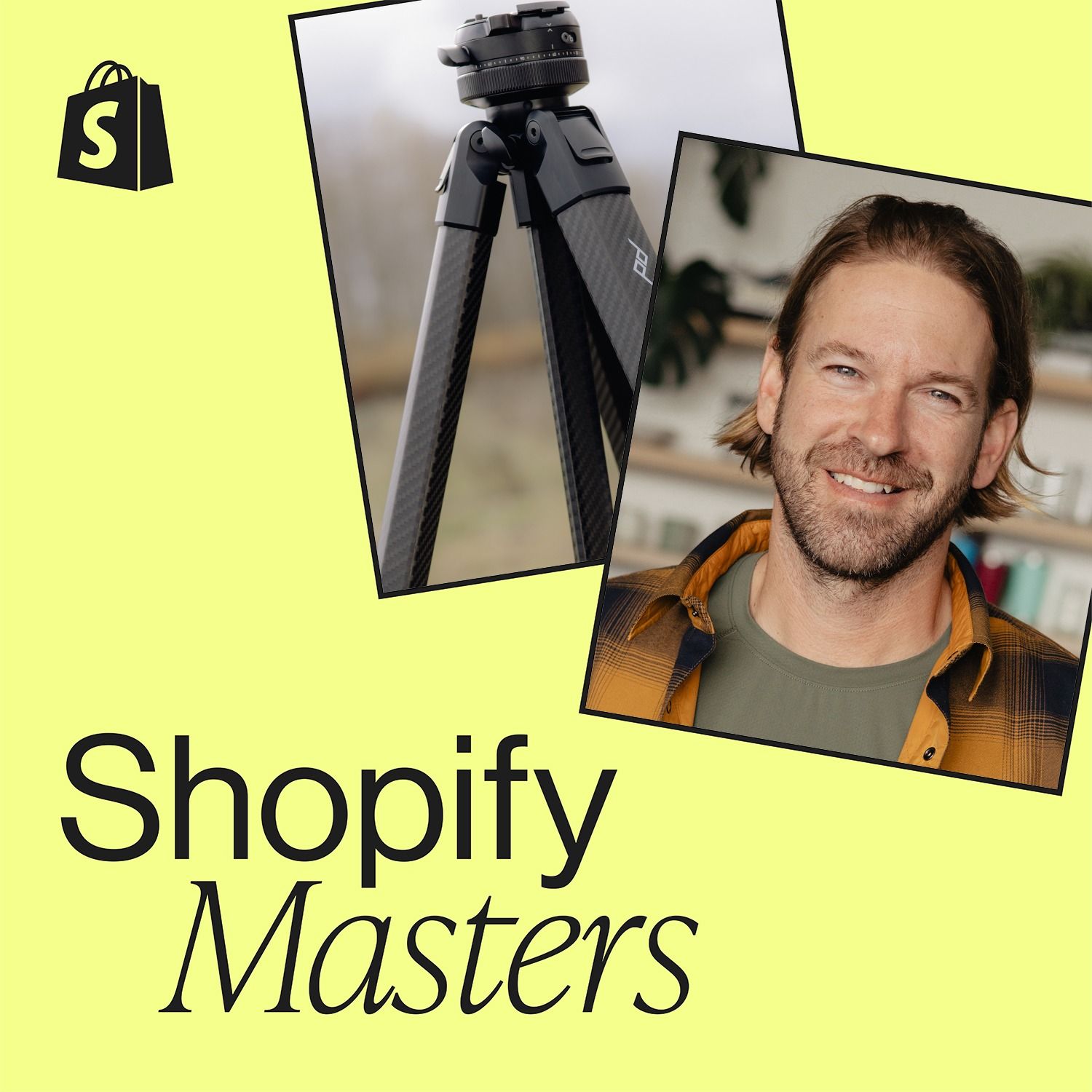
Peak Design's founder argues that Kickstarter is not a place to validate if people want a product. Instead, it should be treated as a powerful sales and marketing channel for products that are well-developed and known to solve an obvious problem. Success hinges on pre-existing product-market fit, not on discovering it.
The best time to raise capital is when you don't need it. Approach early conversations with investors not to ask for money, but to listen, learn, and improve your strategy. Genuinely excited investors will offer to invest without being explicitly asked.

Instead of traditional funding, Jing used Kickstarter to pre-sell her product. This not only raised capital but also proved market demand and built a community of understanding early backers who were patient with initial production delays, a crucial buffer for a new CPG brand.

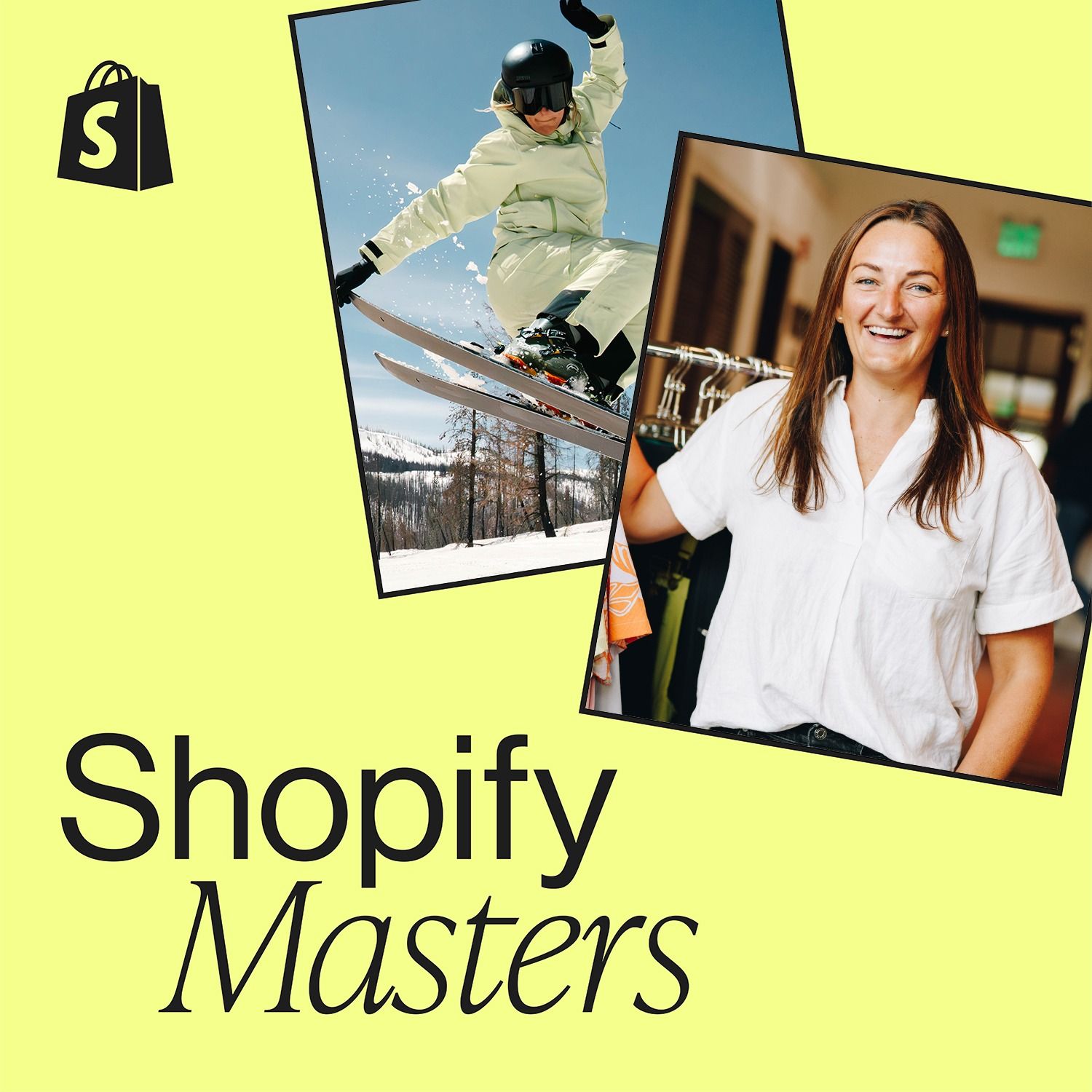
Wild Rye successfully raised nearly $1 million via WeFunder. The key was waiting until the brand had already built strong recognition and a loyal community. They could then invite this existing audience to invest, making it a capitalization strategy rather than a customer acquisition tool, which the founder views as critical to its success.
Effective fundraising isn't a single event but a process. By conducting regular 'non-deal roadshows,' you build investor confidence and prove management's ability to execute on promises over time. This makes the eventual request for capital much more likely to succeed because trust has already been established.

The act of raising capital is not an achievement in itself; it's merely acquiring a tool. The real accomplishment is using that capital to build a durable, lasting business. Shift your focus from celebrating funding rounds to celebrating the creation of a sustainable enterprise.
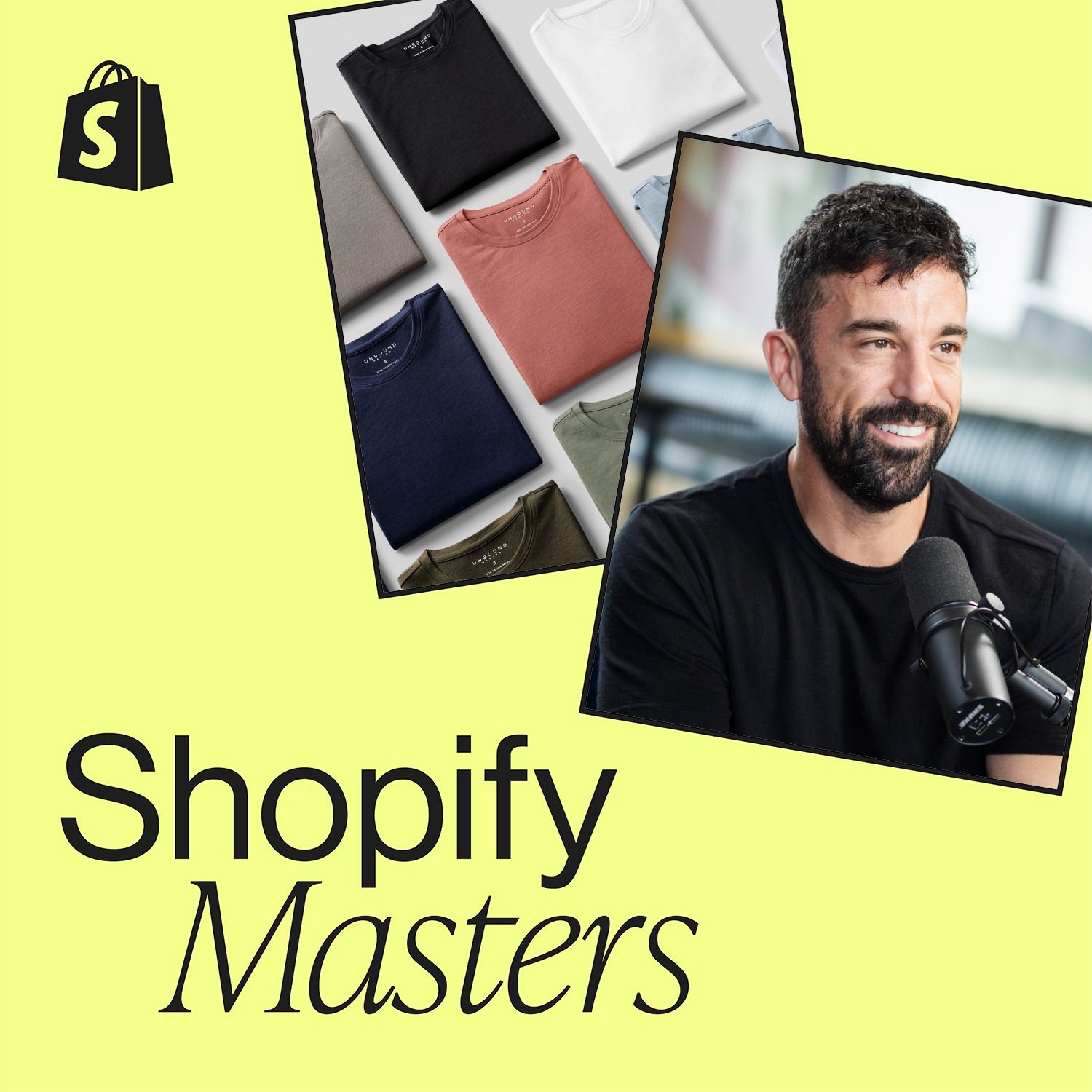
Unbound Merino used its Indiegogo campaign as a definitive test for market demand, not just a funding tool. This framed the effort as a win-win: either a successful business would be born, or the founder would get a box of the custom t-shirts he personally wanted.
A clever strategy for first-time fund managers is to raise smaller checks from a large number of operators and domain experts. While harder to execute, this turns the LP base into a powerful, built-in expert network for diligence and support, converting a fundraising challenge into a strategic asset.
Instead of immediately chasing large grants or major donors, MedShadow focuses on building a base of small-dollar donors. This strategy acts as a "proof of concept," demonstrating grassroots support for their mission and building a sustainable foundation for future growth.

Prosperity Market, a for-profit, gained access to non-profit-specific grants by securing a fiscal sponsor. This partner non-profit lends its 501c3 status for grant applications, unlocking a crucial funding stream without the company having to become a non-profit itself.