Get your free personalized podcast brief
We scan new podcasts and send you the top 5 insights daily.
To attract buyers without sellers, Whatnot listed collectibles they didn't own. After a sale, their team would buy the item from another site to fulfill the order. This created initial demand, which they then used to attract real sellers to the platform.

Related Insights
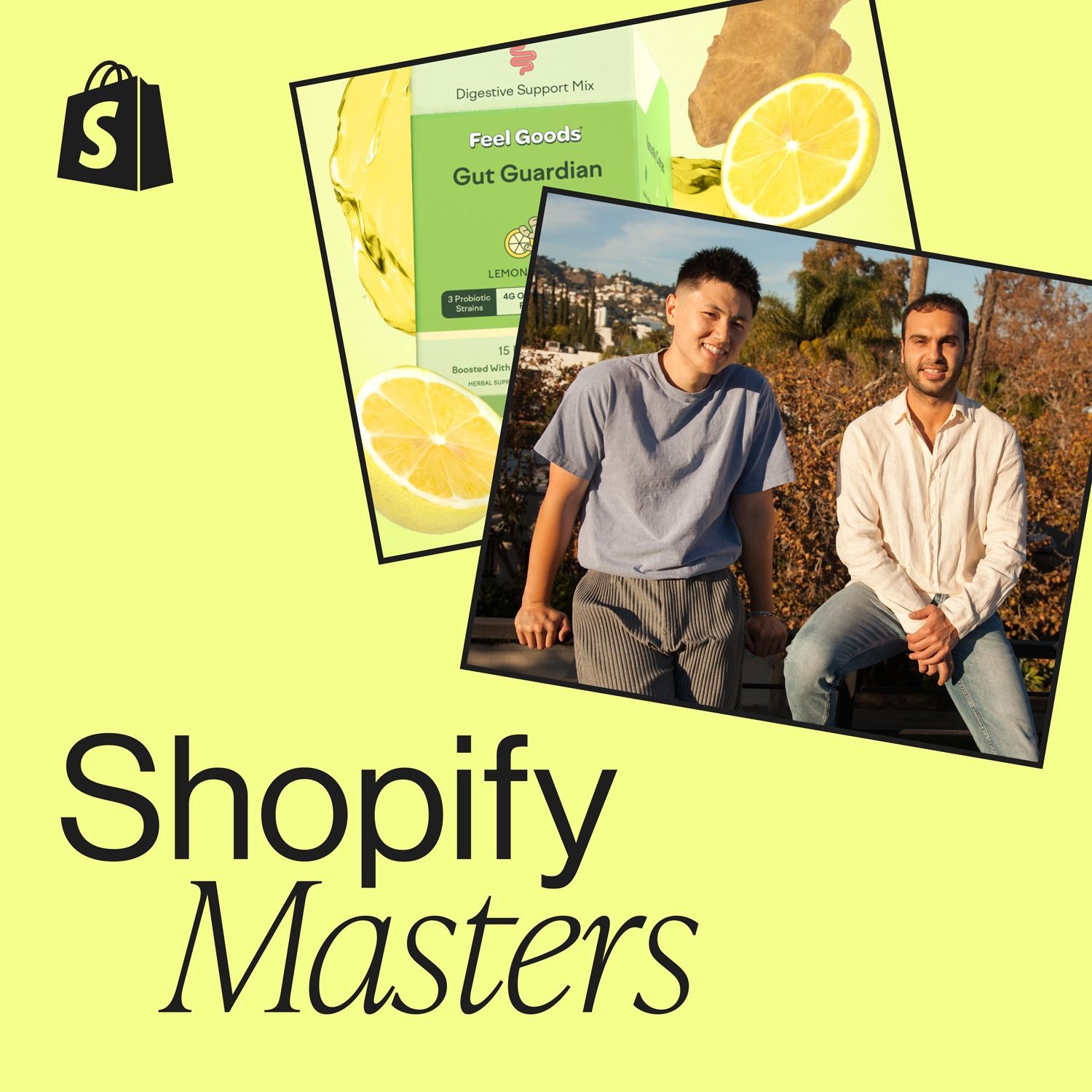
Before investing in production, Feel Goods created a basic landing page and ran ads to sell their conceptual product. They then refunded all orders, using the fake sales data to confirm real-world demand with minimal upfront cost and risk.
To launch Diapers.com with minimal capital, founder Mark Lohr fulfilled early orders by purchasing products from wholesale clubs for more than he sold them for online. This allowed him to validate the business model before securing inventory and optimizing logistics.

Whatnot acquired its first users by running weekly giveaways for rare collectibles worth up to $1,000. To enter, users had to share referral links, creating a powerful viral mechanic that quickly spread through niche collector communities on Reddit and Facebook.
The hardest part of any business is finding customers, not fulfillment. De-risk your venture by focusing all initial energy on validating demand. Use tactics like pre-selling or creating 'fake' marketplace listings before you buy a single piece of equipment.
The modern collectible ecosystem is supercharged by a liquid and accessible secondary market (eBay, StockX, live shopping). This 'Flip Life' culture means many customers buy not just to own but to resell. This creates urgency and demand for the initial product release, amplifying the campaign's reach at no extra cost.

To bootstrap social proof for a new physical business, an owner admitted to paying people to stand in line for the first two months. This manufactured buzz created the perception of a popular, must-visit destination. The fake line eventually turned into a real, sustainable one, demonstrating a powerful, if deceptive, launch tactic.
To overcome the classic "chicken-and-egg" problem, Autopilot manufactured its initial supply side. They created compelling portfolios for users to follow by tracking publicly available data from politicians like Nancy Pelosi and hedge fund filings, attracting demand before recruiting original creators.
To solve the seller retention problem, Whatnot built a hack that took new seller listings and automatically posted them on other marketplaces using Whatnot's own account. This aggregated external demand, ensuring sellers made initial sales and stayed on the platform.
To de-risk buying liquidation pallets from sites like Bstock, create a 'phantom' listing on Facebook Marketplace for the items first. This allows you to gauge real-world demand and pricing power from actual buyers before committing any capital, ensuring profitability.
SellRaise begins as a utility, helping sellers easily list items across multiple marketplaces like eBay and Poshmark. By aggregating a critical mass of sellers (the supply side), it can eventually attract buyers directly. This strategy allows it to leverage existing platforms to solve the chicken-and-egg problem before ultimately aiming to replace them as an AI-native marketplace.
