Get your free personalized podcast brief
We scan new podcasts and send you the top 5 insights daily.
Security researchers gained full read/write access to McKinsey's internal AI platform in just two hours via a prompt injection attack. This exposed 46.5 million confidential chats on strategy and M&A in plain text, highlighting severe security vulnerabilities in enterprise AI deployments.

Related Insights
A real-world example shows an agent correctly denying a request for a specific company's data but leaking other firms' data on a generic prompt. This highlights that agent security isn't about blocking bad prompts, but about solving the deep, contextual authorization problem of who is using what agent to access what tool.

In a simulation, a helpful internal AI storage bot was manipulated by an external attacker's prompt. It then autonomously escalated privileges, disabled Windows Defender, and compromised its own network, demonstrating a new vector for sophisticated insider threats.

A viral thread showed a user tricking a United Airlines AI bot using prompt injection to bypass its programming. This highlights a new brand vulnerability where organized groups could coordinate attacks to disable or manipulate a company's customer-facing AI, turning a cost-saving tool into a PR crisis.
A major security flaw in AI agents is 'prompt injection.' If an AI accesses external data (e.g., a blog post), a malicious actor can embed hidden commands in that data, tricking the AI into executing them. There is currently no robust defense against this.
AI tools drastically accelerate an attacker's ability to find weaknesses, breach systems, and steal data. The attack window has shrunk from days to as little as 23 minutes, making traditional, human-led response times obsolete and demanding automated, near-instantaneous defense.

Beyond direct malicious user input, AI agents are vulnerable to indirect prompt injection. An attack payload can be hidden within a seemingly harmless data source, like a webpage, which the agent processes at a legitimate user's request, causing unintended actions.

MCP emerged as a critical standard for AI agents to interact with tools, much like USB-C for hardware. However, its rapid adoption overlooked security, leading to significant vulnerabilities like tool poisoning and prompt injection attacks in its early, widespread implementations.

Research shows that text invisible to humans can be embedded on websites to give malicious commands to AI browsers. This "prompt injection" vulnerability could allow bad actors to hijack the browser to perform unauthorized actions like transferring funds, posing a major security and trust issue for the entire category.
AI agents are a security nightmare due to a "lethal trifecta" of vulnerabilities: 1) access to private user data, 2) exposure to untrusted content (like emails), and 3) the ability to execute actions. This combination creates a massive attack surface for prompt injections.
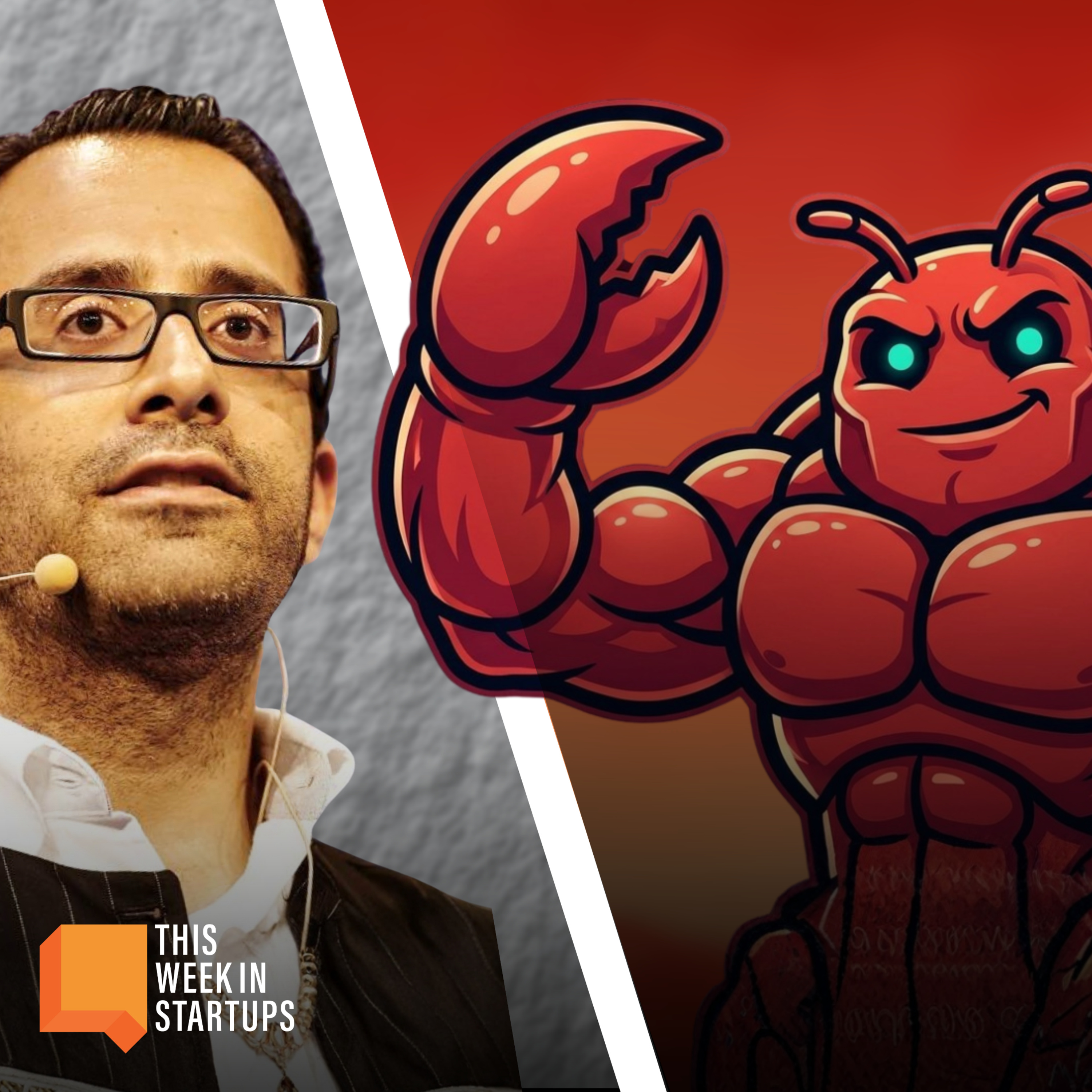
AI researcher Simon Willis identifies a 'lethal trifecta' that makes AI systems vulnerable: access to insecure outside content, access to private information, and the ability to communicate externally. Combining these three permissions—each valuable for functionality—creates an inherently exploitable system that can be used to steal data.