Get your free personalized podcast brief
We scan new podcasts and send you the top 5 insights daily.
The ability to navigate the defense procurement process is a highly specialized talent possessed by perhaps only 40 people in the US. This scarcity makes go-to-market execution, not just technology, a significant bottleneck and a powerful competitive moat for companies like Anduril.

Related Insights
Unlike traditional defense contractors, Anduril's marketing targets the American public and potential employees, not just Pentagon buyers. The strategy is to build a transparent, powerful brand around national security to attract top talent who would otherwise avoid the historically opaque and controversial industry.

Applying Peter Thiel's "Zero to One" philosophy, Anduril intentionally avoided crowded marketplaces when it launched in 2017. By focusing on a defense sector completely devoid of venture-backed startups, they secured an incredible head start and built a defensible business before competitors emerged.
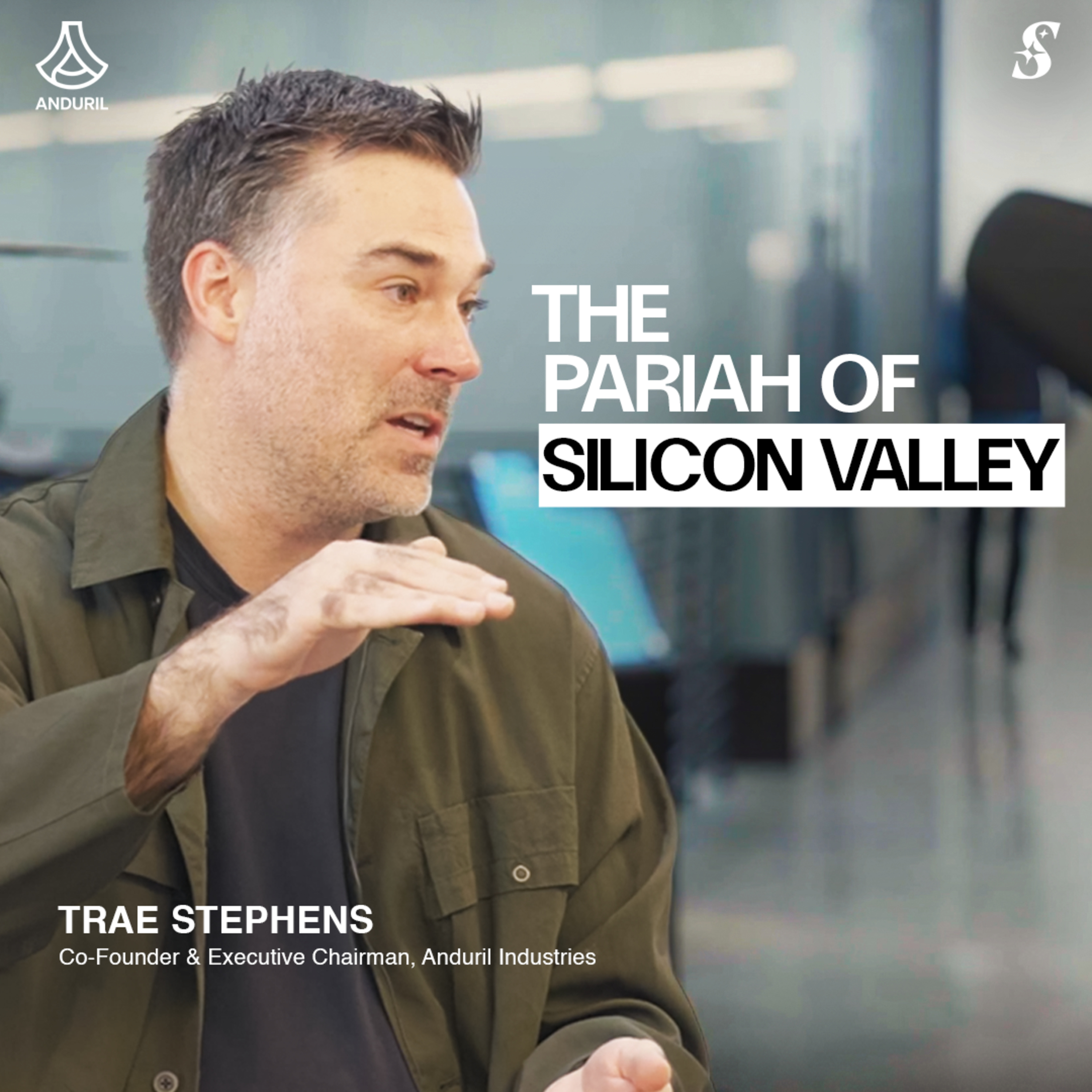
Defense tech startup Anduril is disrupting incumbents not with untested technology, but with a novel business model. It uses VC funds to build manufacturing capacity *before* winning large contracts and sources commercial parts to reduce cost and supply chain risk, effectively prioritizing execution over pure tech risk.

Luckey reveals that Anduril prioritized institutional engagement over engineering in its early days, initially hiring more lawyers and lobbyists. The biggest challenge wasn't building the technology, but convincing the Department of Defense and political stakeholders to believe in a new procurement model, proving that shaping the system is a prerequisite for success.
![Palmer Luckey - Inventing the Future of Defense - [Invest Like the Best, CLASSICS] thumbnail](https://megaphone.imgix.net/podcasts/f7c9aa8e-cb8d-11f0-828e-0b281809c10a/image/cc07f91ec47f95abbde771a4956b37b7.jpg?ixlib=rails-4.3.1&max-w=3000&max-h=3000&fit=crop&auto=format,compress)
The DoD's global R&D share has plummeted from 36% to under 1%, so it can no longer dictate cutting-edge specs. Anduril funds its own R&D to solve a mission, then sells the finished capability, flipping the traditional government-funded, built-to-spec model on its head.
Unlike traditional contractors paid for time and materials, Anduril invests its own capital to develop products first. This 'defense product company' model aligns incentives with the government's need for speed and effectiveness, as profits are tied to rapid, successful delivery, not prolonged development cycles.

Many defense startups fail despite superior technology because the government isn't ready to purchase at scale. Anduril's success hinges on identifying when the customer is ready to adopt new capabilities within a 3-5 year window, making market timing its most critical decision factor.
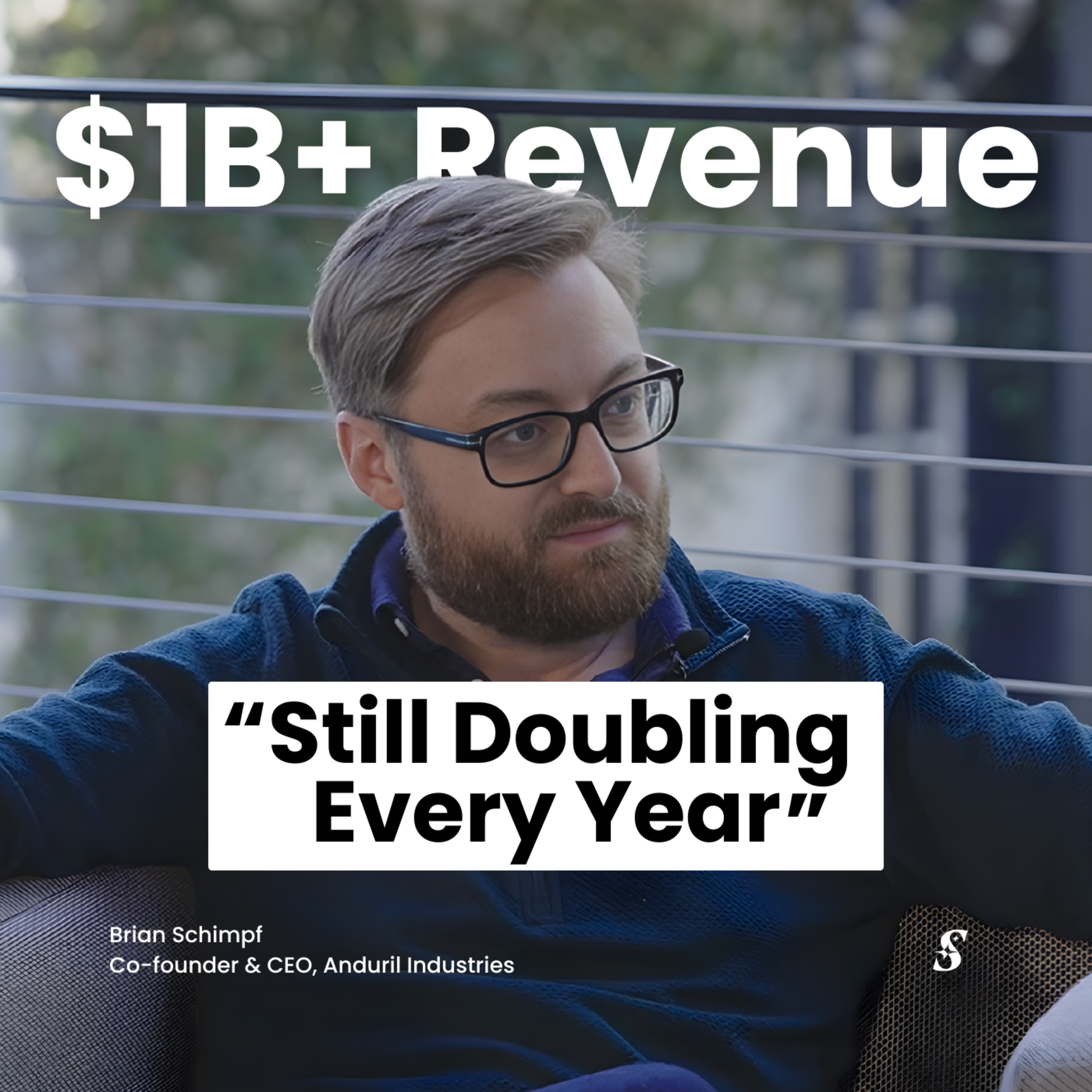
Marketing a defense company is fundamentally different from marketing a consumer product. Instead of a broad "one-to-all" campaign targeting millions of customers, defense marketing is a "one-to-few," hyper-targeted effort aimed at a small group of influential government decision-makers who could all fit in a single conference room.
Defense prime Anduril pitches its adoption of Dirac's AI-powered manufacturing software directly to government customers. This demonstrates a technologically advanced and efficient production process, building confidence and acting as a sales accelerant. It shows customers not just what Anduril builds, but *how* it builds, which has become a key differentiator.

Anduril isn't looking to acquire and fix struggling defense startups. Their acquisition sweet spot is a company with a strong engineering team and a unique product that is struggling with go-to-market. Anduril provides the capital and, more importantly, the infrastructure (legal, government relations, sales) to accelerate an already-great product.