Get your free personalized podcast brief
We scan new podcasts and send you the top 5 insights daily.
The primary barrier to AI adoption isn't the technology, but the user's inability to think algorithmically. Most people cannot break down their workflow into a flowchart for an agent to execute. This creates a new skill gap, where a few systems-thinkers will drive a disproportionate amount of value.

Related Insights
The transformative power of AI agents is unlocked by professionals with deep domain knowledge who can craft highly specific, iterative prompts and integrate the agent into a valid workflow. The technology itself does not compensate for a lack of expertise or flawed underlying processes.
While AI's technical capabilities advance exponentially, widespread organizational adoption is slowed by human factors like resistance to change, lack of urgency, and abstract understanding. This creates a significant gap between potential and reality.

The biggest resistance to adopting AI coding tools in large companies isn't security or technical limitations, but the challenge of teaching teams new workflows. Success requires not just providing the tool, but actively training people to change their daily habits to leverage it effectively.

Despite the power of new AI agents, the primary barrier to adoption is human resistance to changing established workflows. People are comfortable with existing processes, even inefficient ones, making it incredibly difficult for even technologically superior systems to gain traction.

The primary bottleneck for successful AI implementation in large companies is not access to technology but a critical skills gap. Enterprises are equipping their existing, often unqualified, workforce with sophisticated AI tools—akin to giving a race car to an amateur driver. This mismatch prevents them from realizing AI's full potential.

The primary barrier to widespread AI adoption is not the power of the models, but the difficulty of embedding them into users' existing habits. Meeting users where they already are—like their email inbox—is more effective than forcing them to adopt new applications or behaviors.

The primary hurdle for potential AI agent users isn't the technical setup; it's the inability to imagine what to do with the tool. Even technically proficient individuals get stuck on the "what can I do with this?" question, indicating that mainstream adoption requires clear, relatable examples and blueprints, not just easier installation.
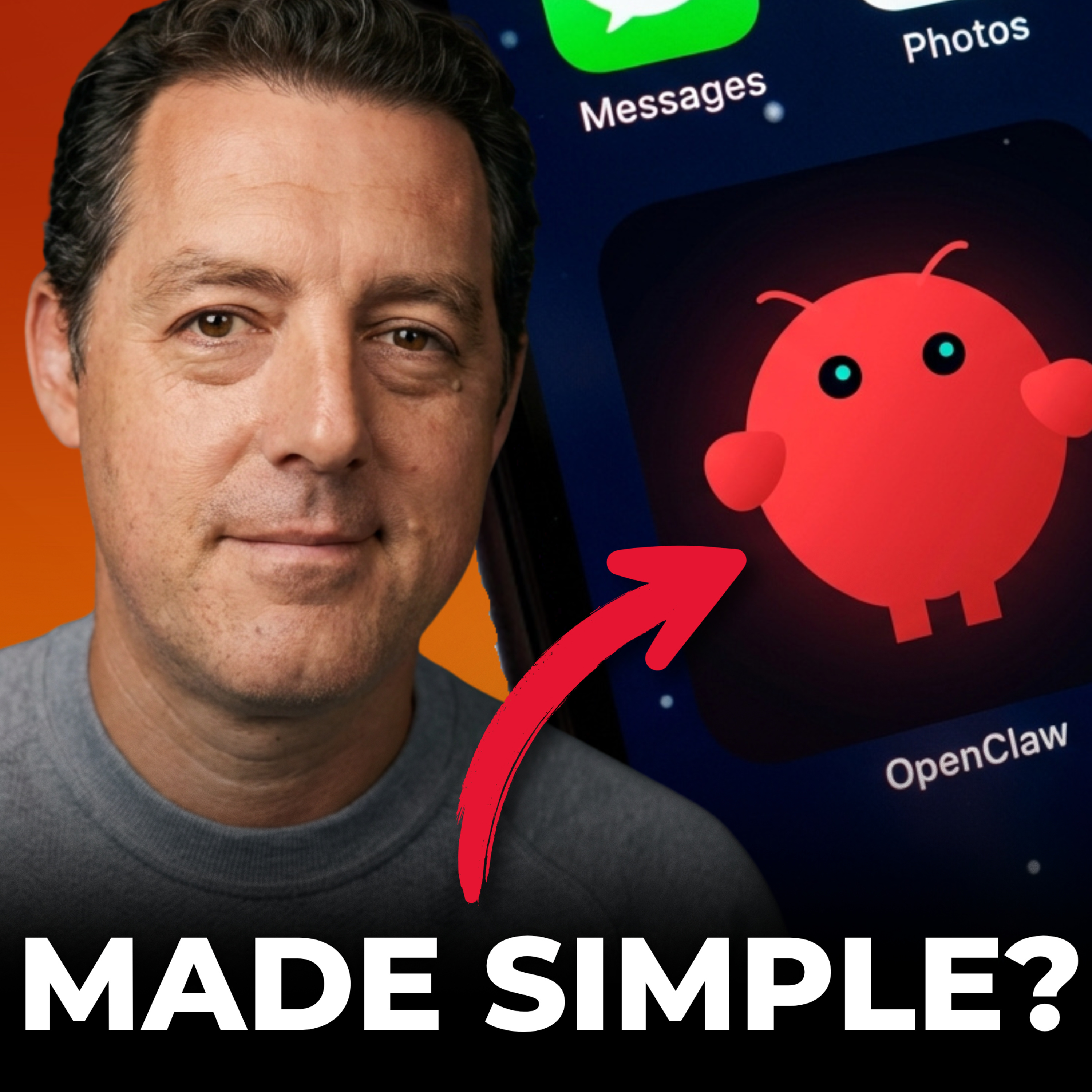
Unlike previous technologies that integrated into existing workflows, AI agents require us to fundamentally re-engineer our work processes to make them effective. Early adopters who adapt their operations to how agents "think" will gain compounding advantages over competitors.
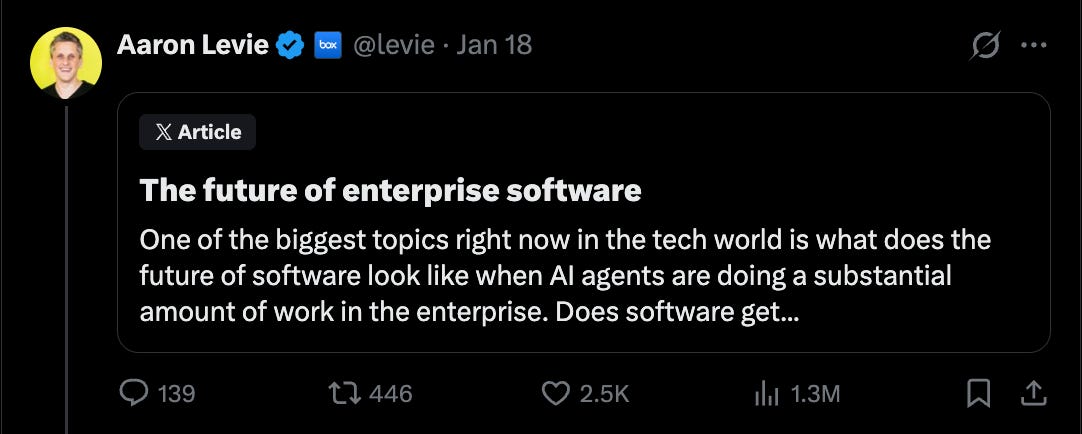
The main barrier to AI's impact is not its technical flaws but the fact that most organizations don't understand what it can actually do. Advanced features like 'deep research' and reasoning models remain unused by over 95% of professionals, leaving immense potential and competitive advantage untapped.

Providing teams with AI tools and optimized workflows is the easy part. The primary challenge in AI transformation is overcoming human inertia and changing ingrained habits. AI can't solve the human tendency to default to familiar routines, making behavioral change the true bottleneck.