Get your free personalized podcast brief
We scan new podcasts and send you the top 5 insights daily.
According to Senator Schiff, the First Amendment was never the true barrier preventing social media regulation. Instead, platforms strategically reframed regulation as free speech violations and alleged partisan bias to protect their broad Section 230 liability shield. He warns that AI companies could use similar spending and diversionary arguments to cause political paralysis and evade meaningful safety oversight.

Related Insights
Tech leaders increasingly call for the "democratic process" to establish guardrails on AI. This is a self-serving tactic, as their platforms have actively eroded the deliberative, shared discourse necessary for democracy to function. They ask a weakened system to regulate them, knowing it will struggle.

The problem with social media isn't free speech itself, but algorithms that elevate misinformation for engagement. A targeted solution is to remove Section 230 liability protection *only* for content that platforms algorithmically boost, holding them accountable for their editorial choices without engaging in broad censorship.

The key to regulating platforms is not just policing user content but holding companies liable for their algorithmic choices. Reforming Section 230 to distinguish between hosting speech (immune) and algorithmic amplification (liable) would treat platforms as media companies for their editorial decisions.

The push for AI regulation by companies like OpenAI is a strategic move to secure government liability shields. This protects them from massive IP infringement lawsuits for training on copyrighted data, effectively nationalizing their financial risk under the guise of safety.

An emerging legal strategy suggests government restrictions on AI model creation and distribution could be challenged as a violation of free expression. This frames the debate not just as a matter of national security, but as a fundamental First Amendment issue, moving the conflict from regulatory bodies to the courts.

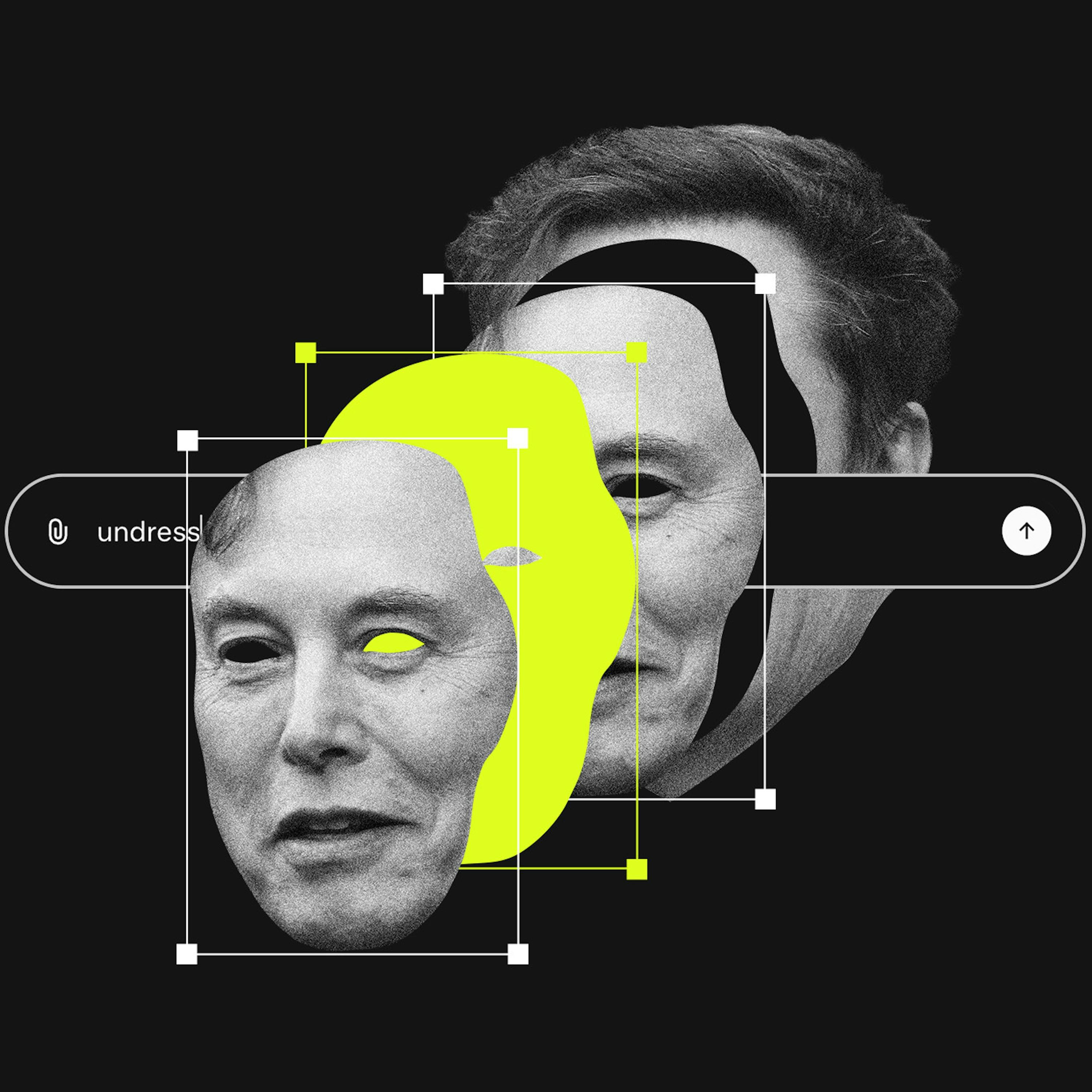
Section 230 protects platforms from liability for third-party user content. Since generative AI tools create the content themselves, platforms like X could be held directly responsible. This is a critical, unsettled legal question that could dismantle a key legal shield for AI companies.
A targeted approach to social media regulation is to remove Section 230 liability protection specifically for content that platforms' algorithms choose to amplify. If a company reverse-engineers a user's behavior to promote harmful content, they should be held liable, just as a bartender is for over-serving a customer.

The original vision for Section 230 was to foster a competitive marketplace of user-controlled moderation tools, a world that never materialized. Defending the 30-year-old law today means protecting an unrealized policy goal from a completely different technological era, raising questions about its continued relevance.

Politicians are using anti-tech verdicts to demand a repeal of Section 230, but the logic is flawed. Abolishing the law would force platforms to become hyper-aggressive in their content moderation to avoid liability, directly contradicting the "free speech" goals these same critics often claim to support.
The core legal question for social media and AI is shifting from content moderation (Section 230) to whether the platform's design is a liable "product" (like tobacco) or protected "expression" (like speech), setting a precedent for future AI cases.
