Get your free personalized podcast brief
We scan new podcasts and send you the top 5 insights daily.
By refusing to support open-weight models, Anthropic cultivates a powerful brand identity centered on safety and principle, generating 'aura' by standing alone. This is a high-stakes gamble: it bets the company's reputation on a future security incident involving an open model that would retroactively validate its controversial stance.

Related Insights
Anthropic's refusal to allow the Pentagon to use its AI for autonomous weapons is a strategic branding move. This public stance positions Anthropic as the ethical "good guy" in the AI space, similar to Apple's use of privacy. This creates a powerful differentiator that appeals to risk-averse enterprise customers.

The leak revealed code designed to hide AI contributions to open source. This created significant backlash specifically because Anthropic has built its brand on safety and transparency, leading to accusations of hypocrisy and a greater breach of trust with the developer community than another company might have faced.
Anthropic is defining its brand by refusing Pentagon contracts on moral grounds, positioning itself as the 'safe' AI, similar to Apple's stance on privacy. In contrast, OpenAI's willingness to work with the military mirrors Meta's growth-focused approach. This shows how ethics can become a core competitive advantage in the AI space.

Anthropic's public focus on AI doomerism and safety isn't just ideological; it's a strategic move. By positioning themselves as the "safe" player, they can influence regulation to create a closed environment with few competitors, creating an information asymmetry they can exploit.

By refusing to let its models be used for autonomous weapon firing, even at the risk of losing a Pentagon contract, Anthropic generated significant positive sentiment. This demonstrates that taking a firm, public ethical stance can be a more valuable brand asset than a lucrative government contract.

By being ambiguous about whether its model, Claude, is conscious, Anthropic cultivates an aura of deep ethical consideration. This 'safety' reputation is a core business strategy, attracting enterprise clients and government contracts by appearing less risky than competitors.
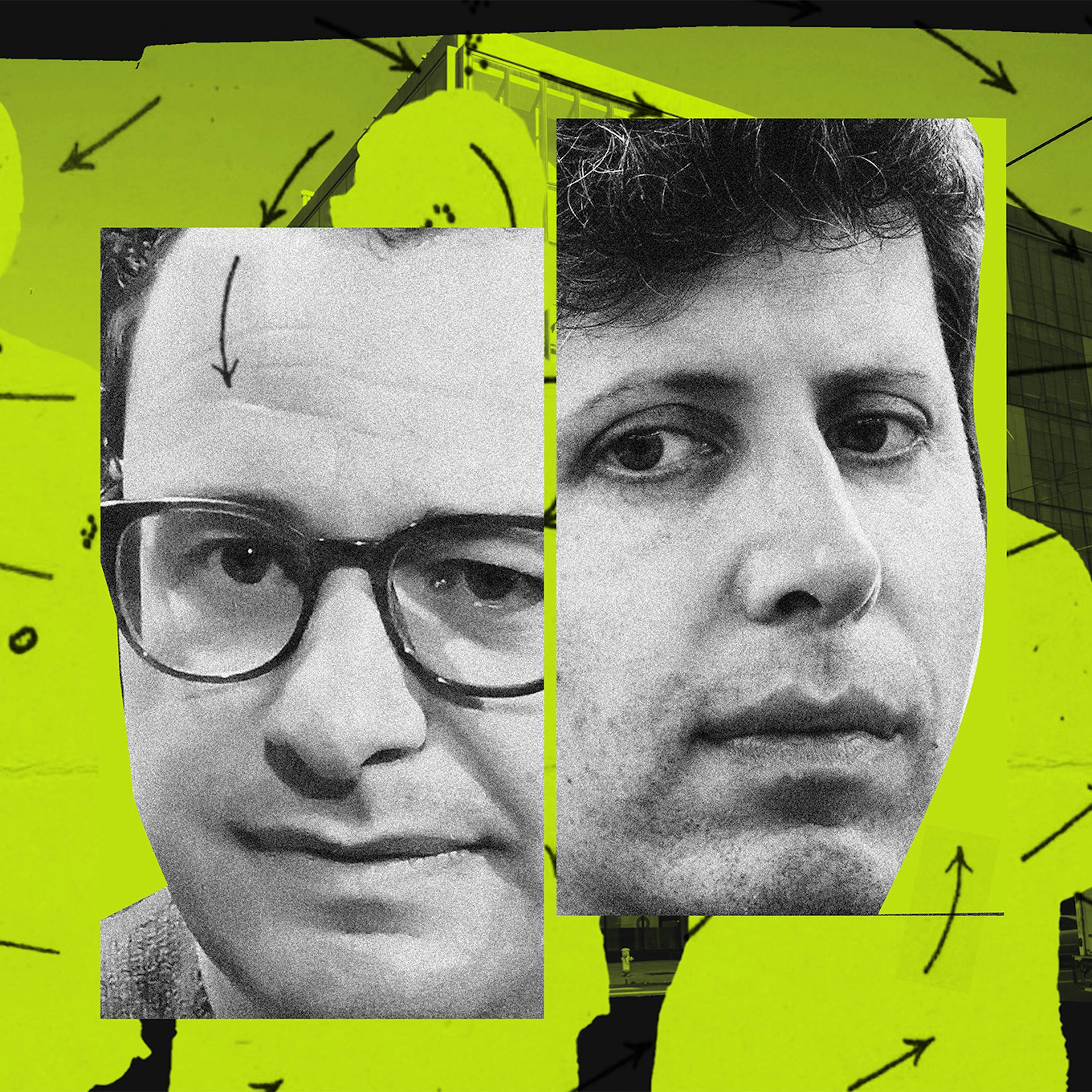
Anthropic's decision to gate its Mythos model, framed as a safety precaution, also creates powerful marketing hype, drives enterprise adoption of its native tools, and makes it harder for competitors to create imitator models.

By keeping its "Mythos" model private due to alleged security risks, Anthropic has created an enormous amount of media buzz. This strategy, mirroring tactics from OpenAI, is a powerful marketing move that elevates the company's profile and mystique, irrespective of the model's true power.
Anthropic's decision to restrict its Fable 5 model from being used for competing LLM research is framed as "True Alignment." The company's safety-first culture directly serves its business goal of preventing competitors from using its own tools against it, making ethics a competitive advantage.

Anthropic consistently positioned itself as the leader in AI safety, a brand that created heightened regulatory expectations. When a jailbreak was found, the administration framed Anthropic's measured technical response as hypocrisy, using the company's own safety-focused marketing as a lever to demand immediate and drastic action.