Get your free personalized podcast brief
We scan new podcasts and send you the top 5 insights daily.
Anthropic's public focus on AI doomerism and safety isn't just ideological; it's a strategic move. By positioning themselves as the "safe" player, they can influence regulation to create a closed environment with few competitors, creating an information asymmetry they can exploit.

Related Insights
Anthropic's decision to withhold its powerful Mythos AI is not just about safety. It's a savvy business tactic to handle a GPU compute crunch, prevent Chinese labs from copying its IP, and reinforce its brand as the most safety-oriented AI company, all while creating scarcity and demand.

The narrative of AI doom isn't just organic panic. It's being leveraged by established players who are actively seeking "regulatory capture." They aim to create a cartel that chokes off innovation from startups right from the start.

Prominent investors like David Sacks and Marc Andreessen claim that Anthropic employs a sophisticated strategy of fear-mongering about AI risks to encourage regulations. They argue this approach aims to create barriers for smaller startups, effectively solidifying the market position of incumbents under the guise of safety.

Bill Gurley voices concern that large AI companies like Anthropic, which are lobbying heavily, might be using regulation as a competitive weapon. This "regulatory capture" tactic would create high barriers to entry, stifling innovation from smaller startups and open-source projects, effectively "pulling up the ladder" behind them.

Gurley suggests that public warnings about AI's existential risks from leaders at top US AI firms could be a strategic move to invite regulation. This 'regulatory capture' would stifle smaller competitors and could inadvertently cede the global AI market to less-regulated players like China.

The rhetoric around AI's existential risks is framed as a competitive tactic. Some labs used these narratives to scare investors, regulators, and potential competitors away, effectively 'pulling up the ladder' to cement their market lead under the guise of safety.
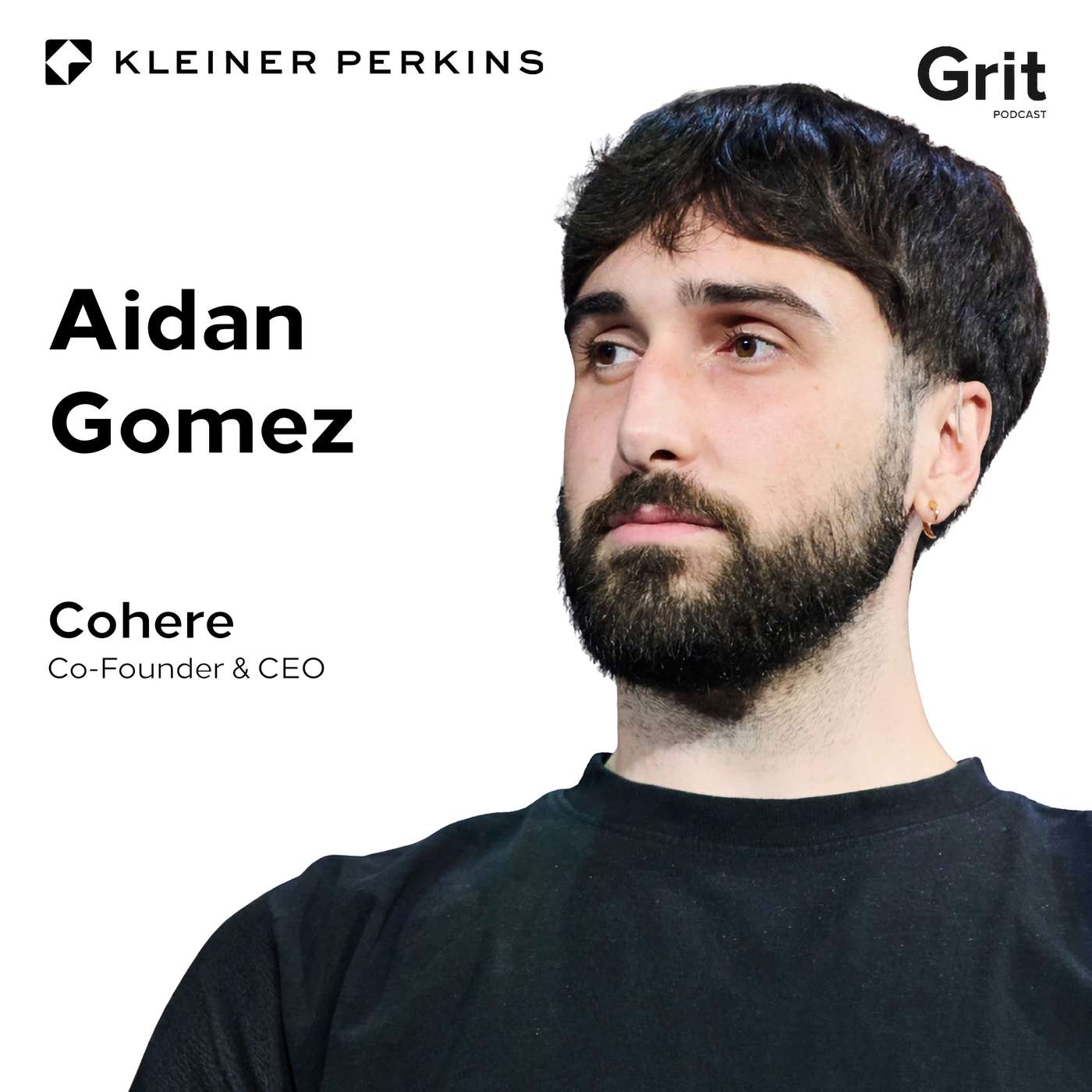
Leading AI companies allegedly stoke fears of existential risk not for safety, but as a deliberate strategy to achieve regulatory capture. By promoting scary narratives, they advocate for complex pre-approval systems that would create insurmountable barriers for new startups, cementing their own market dominance.

Large AI labs cynically use existential risk arguments, originally from 'effective altruist' communities, to lobby for regulations that stifle competition. This strategy aims to create monopolies by targeting open-source models and international rivals like China.

Anthropic's commitment to AI safety, exemplified by its Societal Impacts team, isn't just about ethics. It's a calculated business move to attract high-value enterprise, government, and academic clients who prioritize responsibility and predictability over potentially reckless technology.

The breathless talk about AI's dangers from leaders of large AI labs isn't just about safety; it's a business strategy. By encouraging regulation, established players like Anthropic can create a 'regulatory moat' that makes it harder for smaller competitors to enter the market.
