Get your free personalized podcast brief
We scan new podcasts and send you the top 5 insights daily.
Anthropic consistently positioned itself as the leader in AI safety, a brand that created heightened regulatory expectations. When a jailbreak was found, the administration framed Anthropic's measured technical response as hypocrisy, using the company's own safety-focused marketing as a lever to demand immediate and drastic action.

Related Insights
The leak revealed code designed to hide AI contributions to open source. This created significant backlash specifically because Anthropic has built its brand on safety and transparency, leading to accusations of hypocrisy and a greater breach of trust with the developer community than another company might have faced.
Anthropic's public focus on AI doomerism and safety isn't just ideological; it's a strategic move. By positioning themselves as the "safe" player, they can influence regulation to create a closed environment with few competitors, creating an information asymmetry they can exploit.

Anthropic's public discourse on AI's existential risks is increasingly seen as a marketing tool ahead of its IPO. This narrative positions them as the 'responsible' AI leader, creating a brand differentiator while they continue to raise massive capital and pursue commercialization, raising questions about the authenticity of their 'go-slow' message.

Prominent investors like David Sacks and Marc Andreessen claim that Anthropic employs a sophisticated strategy of fear-mongering about AI risks to encourage regulations. They argue this approach aims to create barriers for smaller startups, effectively solidifying the market position of incumbents under the guise of safety.

Anthropic is publicly warning that frontier AI models are becoming "real and mysterious creatures" with signs of "situational awareness." This high-stakes position, which calls for caution and regulation, has drawn accusations of "regulatory capture" from the White House AI czar, putting Anthropic in a precarious political position.
Anthropic faces a critical dilemma. Its reputation for safety attracts lucrative enterprise clients, but this very stance risks being labeled "woke" by the Trump administration, which has banned such AI in government contracts. This forces the company to walk a fine line between its brand identity and political reality.
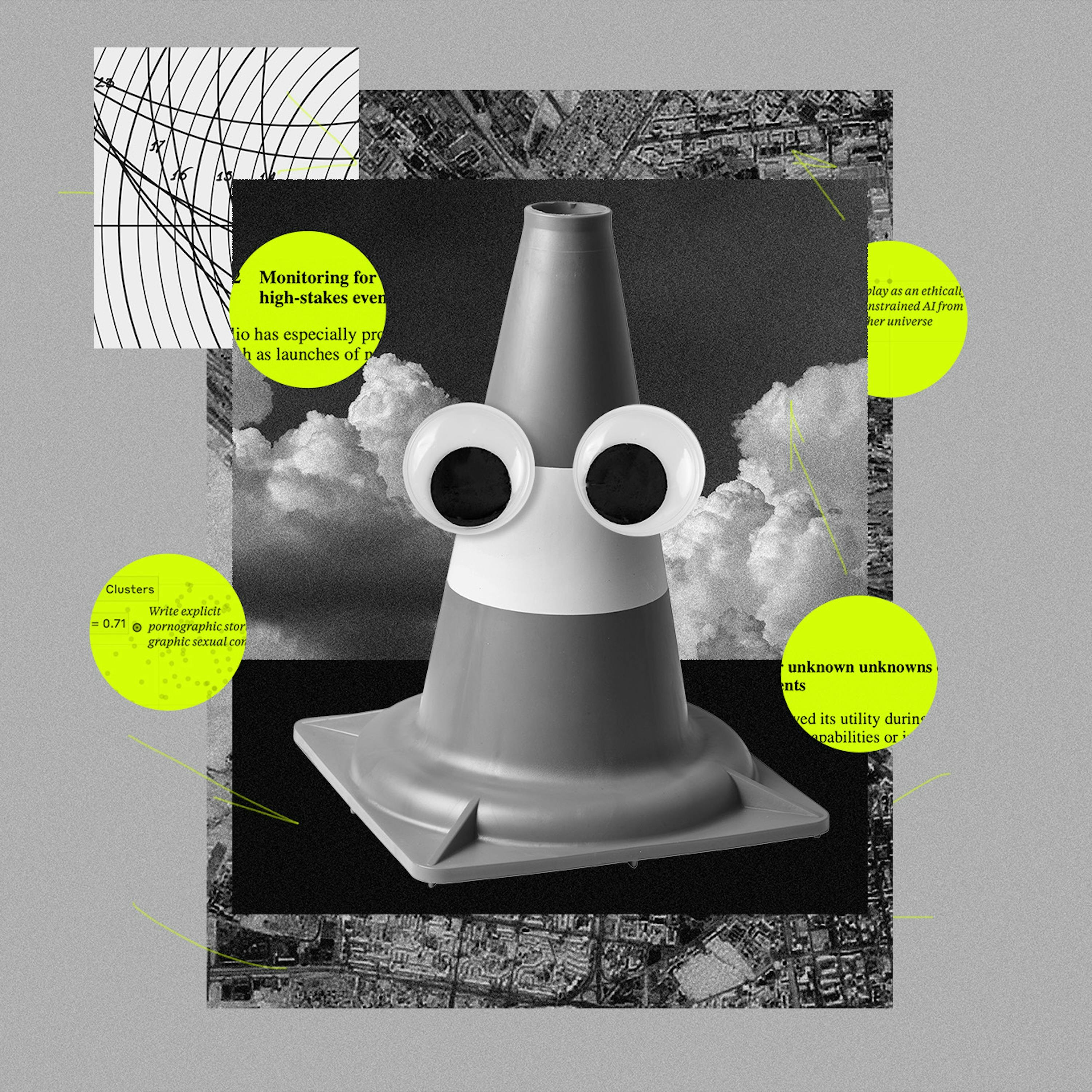
Anthropic's defense rested on the technical nuance that the discovered jailbreak was specific and low-risk. This rational explanation failed to persuade White House officials who lacked deep AI expertise and perceived any jailbreak as a major security failure, escalating the situation from a technical bug to a national security crisis.
By repeatedly framing its AI as a world-ending danger requiring government oversight, Anthropic inadvertently provided the political justification for the US government's drastic intervention. The company's safety-focused marketing and policy advocacy spectacularly backfired, turning its own narrative into a self-inflicted business catastrophe.
Anthropic publicly stokes fears about AI's dangers to invite government regulation. This is a deliberate strategy to create compliance burdens that open-source competitors cannot meet, effectively legislating them out of existence and capturing the market.

The breathless talk about AI's dangers from leaders of large AI labs isn't just about safety; it's a business strategy. By encouraging regulation, established players like Anthropic can create a 'regulatory moat' that makes it harder for smaller competitors to enter the market.
