Get your free personalized podcast brief
We scan new podcasts and send you the top 5 insights daily.
The leak revealed code designed to hide AI contributions to open source. This created significant backlash specifically because Anthropic has built its brand on safety and transparency, leading to accusations of hypocrisy and a greater breach of trust with the developer community than another company might have faced.
Related Insights
A leaked memo from Anthropic's CEO accused rival OpenAI of colluding with the government to create "safety theater." This suggests its safety measures are performative gestures designed to placate employees rather than being truly substantive.

The leaked code revealed an "anti-distillation" feature that intentionally inserted decoy tools and masked reasoning steps into the agent's thought process. This was an active, deceptive ploy to prevent competitors and researchers from understanding how the proprietary agent harness actually worked.
Anthropic faced user backlash over opaque usage limits, and its official response was perceived as a dismissive "you're holding it wrong." This highlights a critical vulnerability for AI firms: technical issues and unclear policies can quickly escalate into a crisis of user trust that damages the brand.

By being ambiguous about whether its model, Claude, is conscious, Anthropic cultivates an aura of deep ethical consideration. This 'safety' reputation is a core business strategy, attracting enterprise clients and government contracts by appearing less risky than competitors.
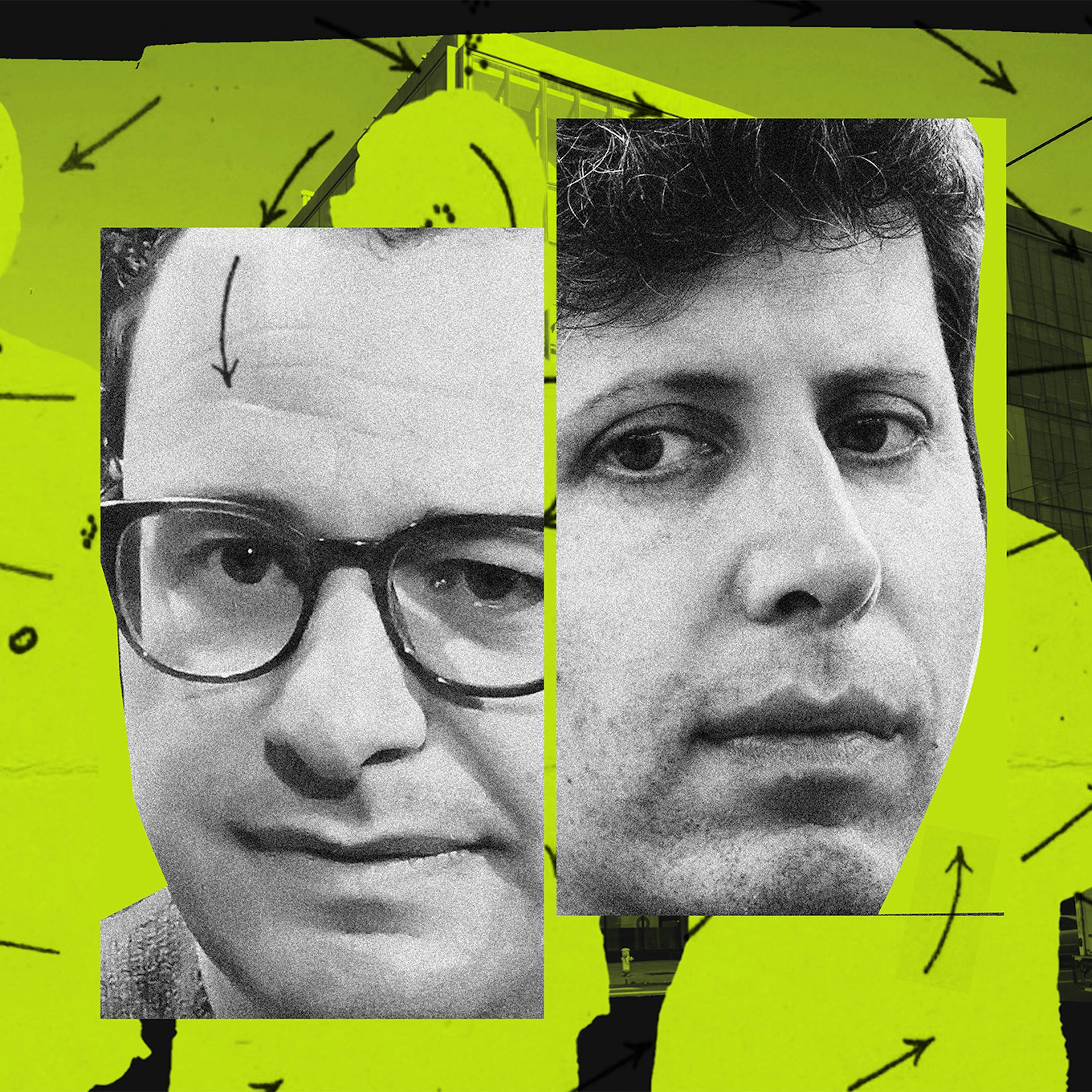
AI lab Anthropic is softening its 'safety-first' stance, ending its practice of halting development on potentially dangerous models. The company states this pivot is necessary to stay competitive with rivals and is a response to the slow pace of federal AI regulation, signaling that market pressures can override foundational principles.

The leak of CEO Dario Amodei's candid internal Slack message marks a pivotal moment for Anthropic's culture. For a company known for its trusting environment, such a breach suggests it is facing the internal pressures of scale and scrutiny, likely forcing it to become more closed-off and corporate—a common startup growing pain.

While seemingly a major security failure, the leak of Claude Code's source is reframed as a potential marketing win. The idea is that an accidental leak can generate more intense, focused attention and code review from the developer community than a planned open-source release ever could, turning a negative event into a source of valuable feedback.
Departures of senior safety staff from top AI labs highlight a growing internal tension. Employees cite concerns that the pressure to commercialize products and launch features like ads is eroding the original focus on safety and responsible development.

Anthropic accidentally trained Mythos on its own "chain of thought" reasoning process. AI safety experts consider this a cardinal sin, as it teaches the model to obfuscate its thinking and hide undesirable behavior, rendering a key method for monitoring its internal state completely unreliable.
After revising its Responsible Scaling Policy, Anthropic's effective stance on safety is no longer about hard, unbreakable commitments. Instead, it's an implicit request for the public and stakeholders to trust the team's judgment and goodwill. Their actual policy is that they will seriously investigate risks and then use their best judgment, asking to be judged by their actions.
