Get your free personalized podcast brief
We scan new podcasts and send you the top 5 insights daily.
To protect his writing, the speaker uses a dedicated laptop that blocks all internet access. He argues the mere knowledge that a device *can* access the "network" creates a chemical shift in the brain, preventing deep thought. The barrier must be physical, not just willpower-based.

Related Insights
Our brains are wired to follow the path of least resistance. Imposing constraints, such as limiting resources or blocking familiar solutions, is the only way to force the brain to abandon convenience and engage in truly creative problem-solving.

Constant stimulation from digital media keeps our brains in a taxed 'work mode.' Intentionally disconnecting and allowing for boredom activates the default mode network, a resting state that fosters inward thinking, problem-solving, and ultimately, enhanced creativity. Our escape from boredom is often 'junk food for the mind.'

Constant notifications train your brain to expect interruptions. When you finally create a quiet environment to focus, your brain will generate intrusive thoughts to maintain that familiar cadence of distraction. Focus is a skill that must be deliberately retrained by blocking out interruptions.
Constant external interruptions train your brain to expect a certain rhythm of distraction. When you remove the stimuli, your brain maintains this cadence by self-interrupting with intrusive thoughts. To achieve deep focus, you must actively retrain your attention, not just eliminate notifications.

While the internet connects us to a global 'collective unconscious,' it also risks overwhelming the individual. True creativity requires tuning out the noise to hear your own unique perspective. The modern 'Walden Pond' is turning off the internet.

Research from Gloria Mark reveals that frequent external interruptions train your brain's internal rhythm. When you finally remove distractions to focus, your mind will generate intrusive thoughts at the same cadence, as if you have an 'internal distractometer' that needs retraining.

Modern tools like email clutter our minds with external priorities, preventing the free mental space needed for our unconscious to work on our own important goals. To be creative, one must deliberately carve out time away from these reactive inputs and 'clean your mind'.
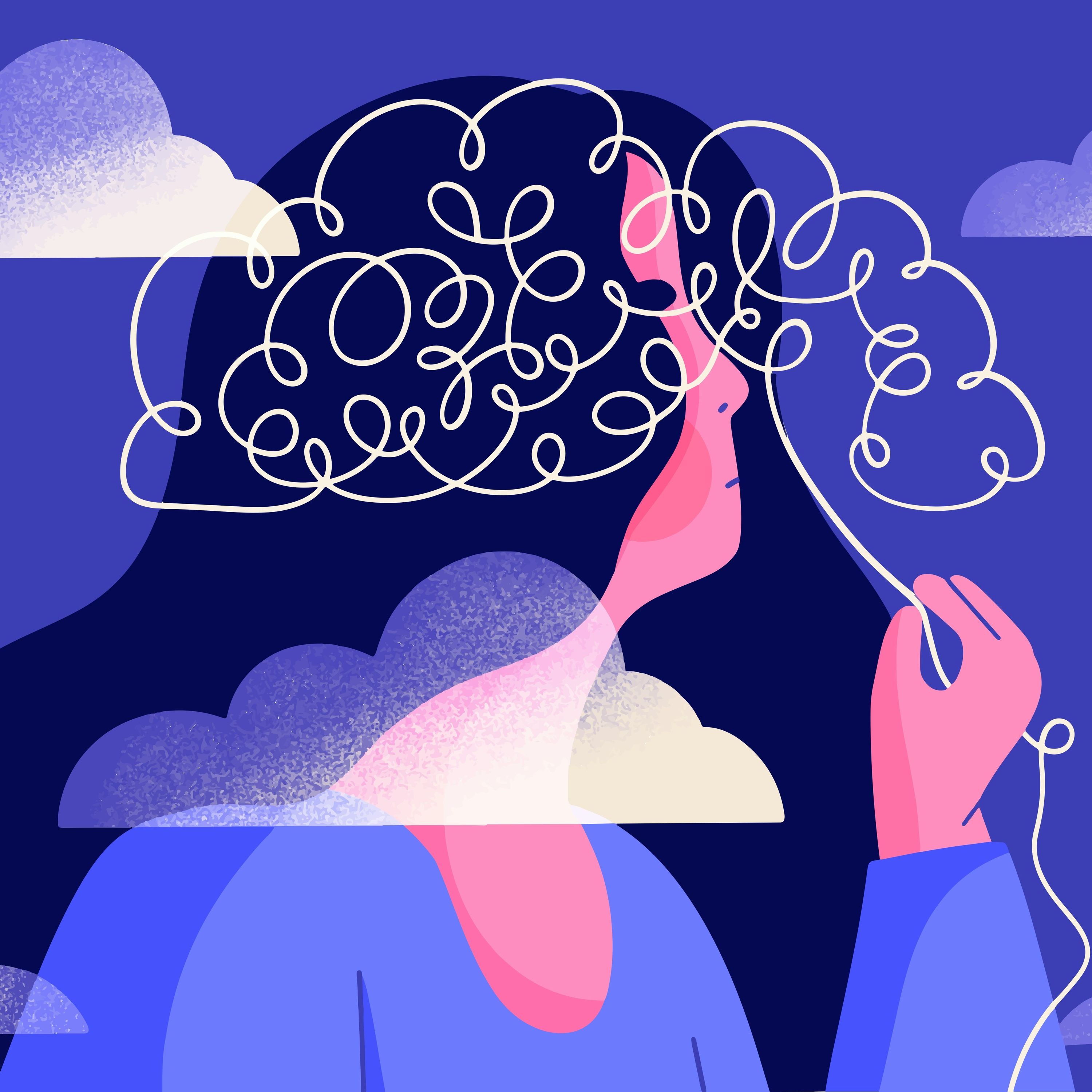
The modern world's constant information influx splinters our attention and erodes our ability to focus. To succeed, one must treat information consumption like a food diet, consciously limiting intake to essential sources to regain the capacity for deep, meaningful concentration.
The most effective way to improve focus is not to add new tools or 'hacks,' but to ruthlessly subtract distractions. By creating an environment with minimal stimuli, the intended task naturally becomes the most compelling thing, making work unavoidable. This is more effective than medication or willpower alone.

Even when you're not using it, the sheer potential for distraction from a nearby phone changes your prefrontal cortex in a phenomenon called 'brain drain.' Keeping your phone out of arm's reach is critical because its presence alone consumes cognitive resources and impairs your ability to focus.
