Get your free personalized podcast brief
We scan new podcasts and send you the top 5 insights daily.
Prediction markets face the same systemic risk that cooled the online poker boom. If the novice, losing players (the "dumb money") eventually exit the market after consistent losses, it will become a game of "sharks vs. sharks," drastically reducing profitability for everyone except the platform itself.

Related Insights
New platforms frame betting on future events as sophisticated 'trading,' akin to stock markets. This rebranding as 'prediction markets' helps them bypass traditional gambling regulations and attract users who might otherwise shun betting, positioning it as an intellectual or financial activity rather than a game of chance.

While platforms claim their peer-to-peer contract model differs from a casino's "betting against the house," the core function remains the same: wagering money on the outcome of a future event. This structural difference is presented as a legal and semantic argument rather than a functional one.
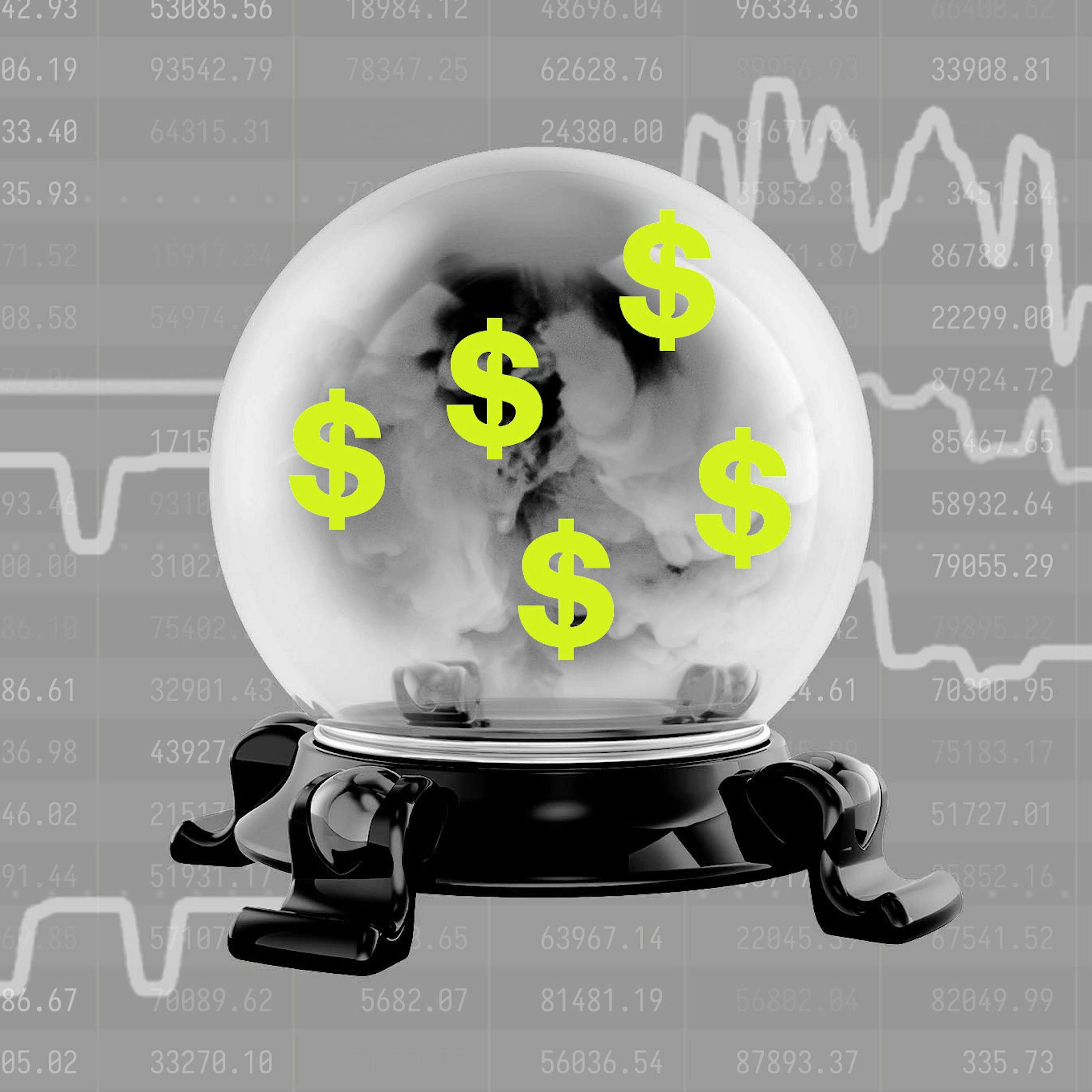
Financial personality Vivian Tu warns against platforms marketing "prediction markets" as an investment class. She clarifies they are simply a modern form of gambling on outcomes, akin to sports betting, and will likely deplete wealth rather than build it.
Prediction markets are cannibalizing the traditional gaming industry by framing gambling as an intellectual activity. This creates a more compelling 'product' that is already impacting gaming stocks and tourism, while introducing severe societal harms like addiction and new forms of insider trading.

Platforms for "trading" on world events are fundamentally gambling, not investing. True investing involves owning an underlying asset. Betting on outcomes like a football coach's hiring has no underlying asset, making it equivalent to a casino bet, often fueled by economic desperation.

Prediction markets thrive on information asymmetry, mirroring the stock market before 2000's Regulation FD, when selective disclosure was common. This structure means 'sharps' with privileged information will consistently profit from 'squares' (the public), making it difficult for casual participants.

Data shows most individuals lose money on prediction markets to bots and insiders. To manage risk, investors should use a "two-account rule": one for serious investing and a separate, smaller "funny money" account for prediction markets, treating it as entertainment, not wealth creation.

A more significant danger than insider trading is that individuals in power could actively manipulate real-world outcomes to ensure their bets on a prediction market pay out. This moves beyond leveraging information to actively corrupting decision-making for financial gain, akin to throwing a game in sports.

While framed as a "wisdom of the crowds" tool, prediction markets can be easily manipulated. Wealthy individuals or campaigns can place large bets to create a perception of momentum or inevitability, effectively using the market as a propaganda vehicle to influence public opinion rather than simply reflect it.
Branded as sophisticated speculation, prediction markets are a dangerous form of gambling that has become normalized through media integration. They exploit psychological triggers, creating an epidemic of addiction, particularly among young men, with profits overwhelmingly benefiting the top 1% of users.
