Get your free personalized podcast brief
We scan new podcasts and send you the top 5 insights daily.
Platforms for "trading" on world events are fundamentally gambling, not investing. True investing involves owning an underlying asset. Betting on outcomes like a football coach's hiring has no underlying asset, making it equivalent to a casino bet, often fueled by economic desperation.

Related Insights
New platforms frame betting on future events as sophisticated 'trading,' akin to stock markets. This rebranding as 'prediction markets' helps them bypass traditional gambling regulations and attract users who might otherwise shun betting, positioning it as an intellectual or financial activity rather than a game of chance.

While platforms claim their peer-to-peer contract model differs from a casino's "betting against the house," the core function remains the same: wagering money on the outcome of a future event. This structural difference is presented as a legal and semantic argument rather than a functional one.
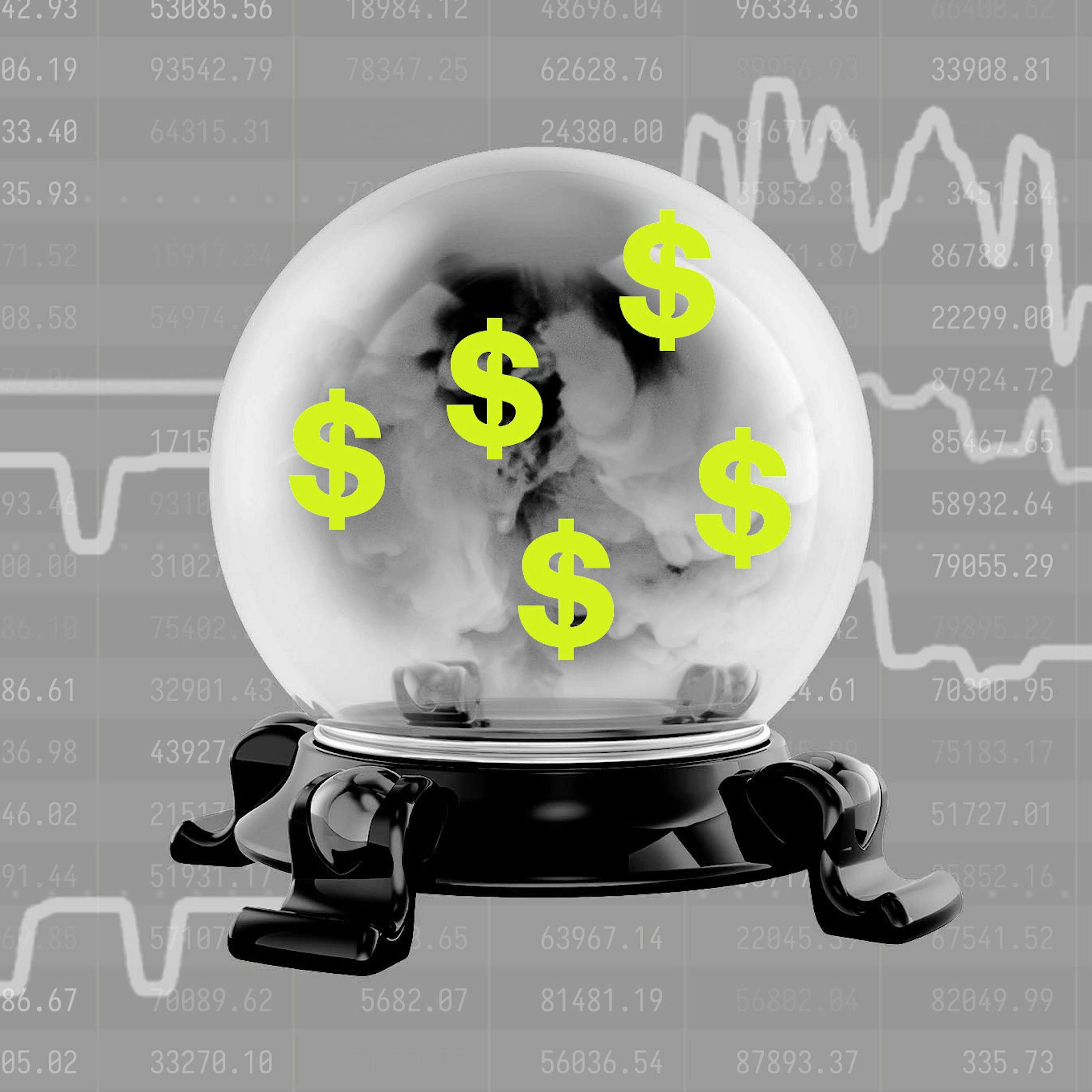
Financial personality Vivian Tu warns against platforms marketing "prediction markets" as an investment class. She clarifies they are simply a modern form of gambling on outcomes, akin to sports betting, and will likely deplete wealth rather than build it.
Prediction markets are cannibalizing the traditional gaming industry by framing gambling as an intellectual activity. This creates a more compelling 'product' that is already impacting gaming stocks and tourism, while introducing severe societal harms like addiction and new forms of insider trading.

By positioning themselves as sources of information and "the news, faster," prediction markets attempt to create a regulatory moat. This branding distances them from the highly regulated, state-by-state sports betting industry, which sees them as direct, unregulated competition.
Crypto exchanges and prediction markets attract users by offering a feeling of agency and control, a powerful draw for those who feel the traditional economy is rigged. In reality, these platforms often give users the least amount of actual agency, profiting from a manufactured sense of empowerment.

Prediction markets are better suited for betting on the knowable outcomes of repeatable, pre-planned "pseudo-events" (like product launches or debates) rather than genuine, unpredictable "news" (like a car crash). This distinction is key to their business model, which blurs the line between information and entertainment.
While often promoted as tools for information discovery, the primary business opportunity for prediction markets is cannibalizing the massive sports betting industry. The high-volume, high-engagement nature of sports gambling is the engine to acquire customers and professional market makers, with other "informational" markets being a secondary concern.

While praised for aggregating the 'wisdom of crowds,' prediction markets create massive, unregulated opportunities for insider trading. Foreign entities are also using these platforms to place large bets, potentially to manipulate public perception and influence political outcomes.

Legally, a prediction market is not gambling because it operates like an exchange where users trade contracts with each other via a clearinghouse. This differs structurally from gambling, where a user bets against "the house," which sets the odds and offers no secondary market liquidity to offset positions.
