Get your free personalized podcast brief
We scan new podcasts and send you the top 5 insights daily.
Prediction markets thrive on information asymmetry, mirroring the stock market before 2000's Regulation FD, when selective disclosure was common. This structure means 'sharps' with privileged information will consistently profit from 'squares' (the public), making it difficult for casual participants.

Related Insights
The explosive growth of prediction markets is driven by regulatory arbitrage. They capture immense value from the highly-regulated sports betting industry by operating under different, less restrictive rules for 'prediction markets,' despite significant product overlap.

The case of a trader profiting from advance knowledge of an event highlights a core dilemma in prediction markets. While insider trading undermines fairness for most participants, it also improves the market's primary function—to accurately forecast the future—by pricing in privileged information.

Prediction markets like Polymarket operate in a regulatory gray area where traditional insider trading laws don't apply. This creates a loophole for employees to monetize confidential information (e.g., product release dates) through bets, effectively leaking corporate secrets and creating a new espionage risk for companies.

A more significant danger than insider trading is that individuals in power could actively manipulate real-world outcomes to ensure their bets on a prediction market pay out. This moves beyond leveraging information to actively corrupting decision-making for financial gain, akin to throwing a game in sports.
New legislation aims to ban government insiders from trading on prediction markets. However, the true edge isn't direct insider knowledge but "adjacent information"—piecing together public signals and cocktail party chatter. This mosaic-theory approach remains legal and is the core mechanism that makes these markets predictive.
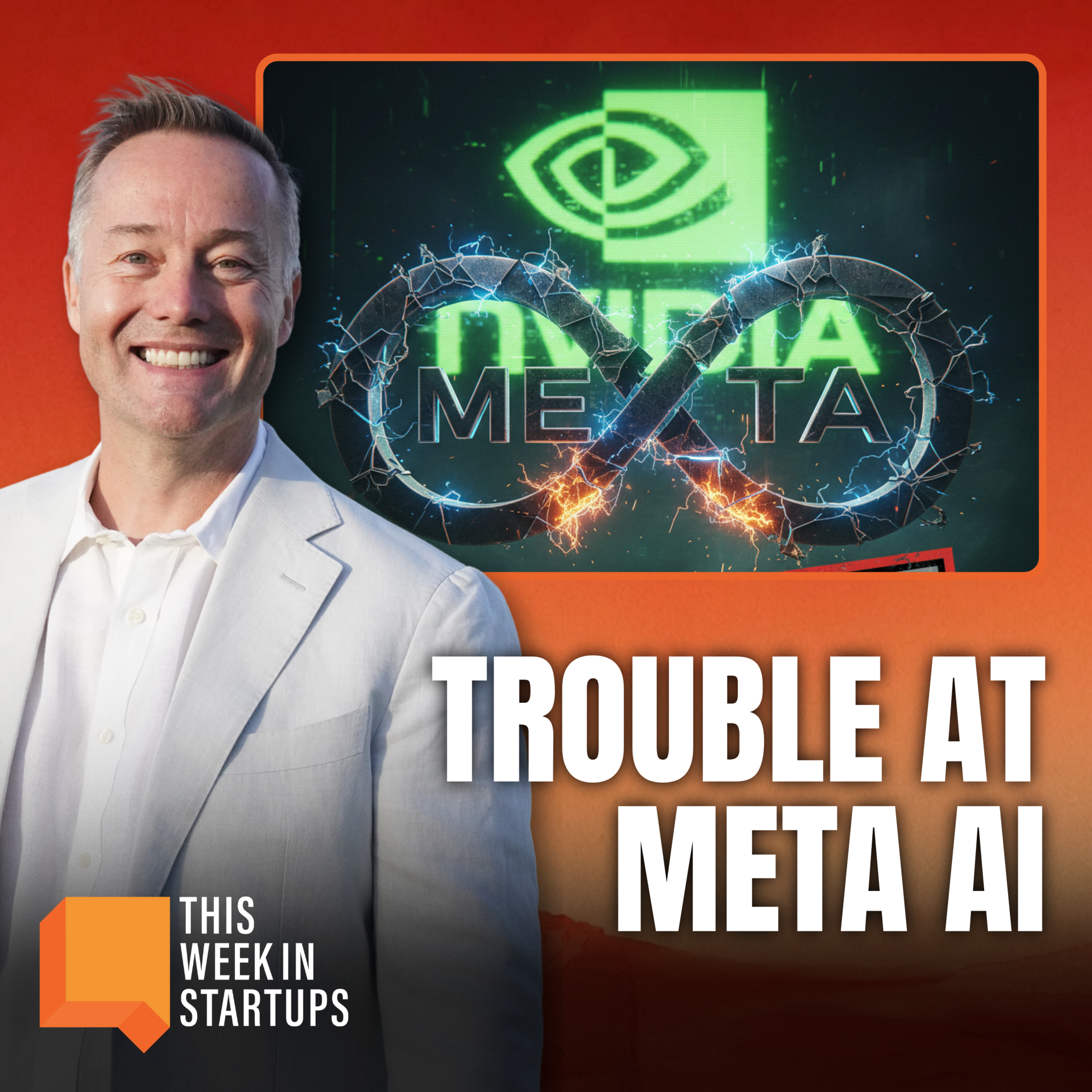
Extreme conviction in prediction markets may not be just speculation. It could signal bets being placed by insiders with proprietary knowledge, such as developers working on AI models or administrators of the leaderboards themselves. This makes these markets a potential source of leaked alpha on who is truly ahead.
While praised for aggregating the 'wisdom of crowds,' prediction markets create massive, unregulated opportunities for insider trading. Foreign entities are also using these platforms to place large bets, potentially to manipulate public perception and influence political outcomes.

Unlike stock trading, where hedge funds possess vast data advantages, niche prediction markets on topics like weather or pop culture level the playing field. An individual with deep domain expertise can genuinely have more relevant information than a large financial institution, creating an opportunity for alpha.
Analysis shows prediction market accuracy jumps to 95% in the final hours before an event. The financial incentives for participants mean these markets aggregate expert knowledge and signal outcomes before they are widely reported, acting as a truth-finding mechanism.

Tarek Mansour argues traditional finance is dominated by institutions with an information advantage. Prediction markets create an opportunity for individuals with deep, non-traditional expertise—in culture, weather, or technology—to profit from unique insights often overlooked by Wall Street.