Get your free personalized podcast brief
We scan new podcasts and send you the top 5 insights daily.
While framed as a "wisdom of the crowds" tool, prediction markets can be easily manipulated. Wealthy individuals or campaigns can place large bets to create a perception of momentum or inevitability, effectively using the market as a propaganda vehicle to influence public opinion rather than simply reflect it.

Related Insights
CNN's partnership with Kalshi introduces a significant ethical risk. While prediction markets can offer data-driven insights, their integration into mainstream news creates a feedback loop where actors can manipulate markets with relatively small sums of money to generate favorable headlines and influence political outcomes.
When media reports on prediction market odds, that coverage itself becomes an event that influences the odds. This creates a feedback loop where the market isn't predicting an external reality but is reacting to its own coverage, effectively monetizing a self-generated rumor mill.
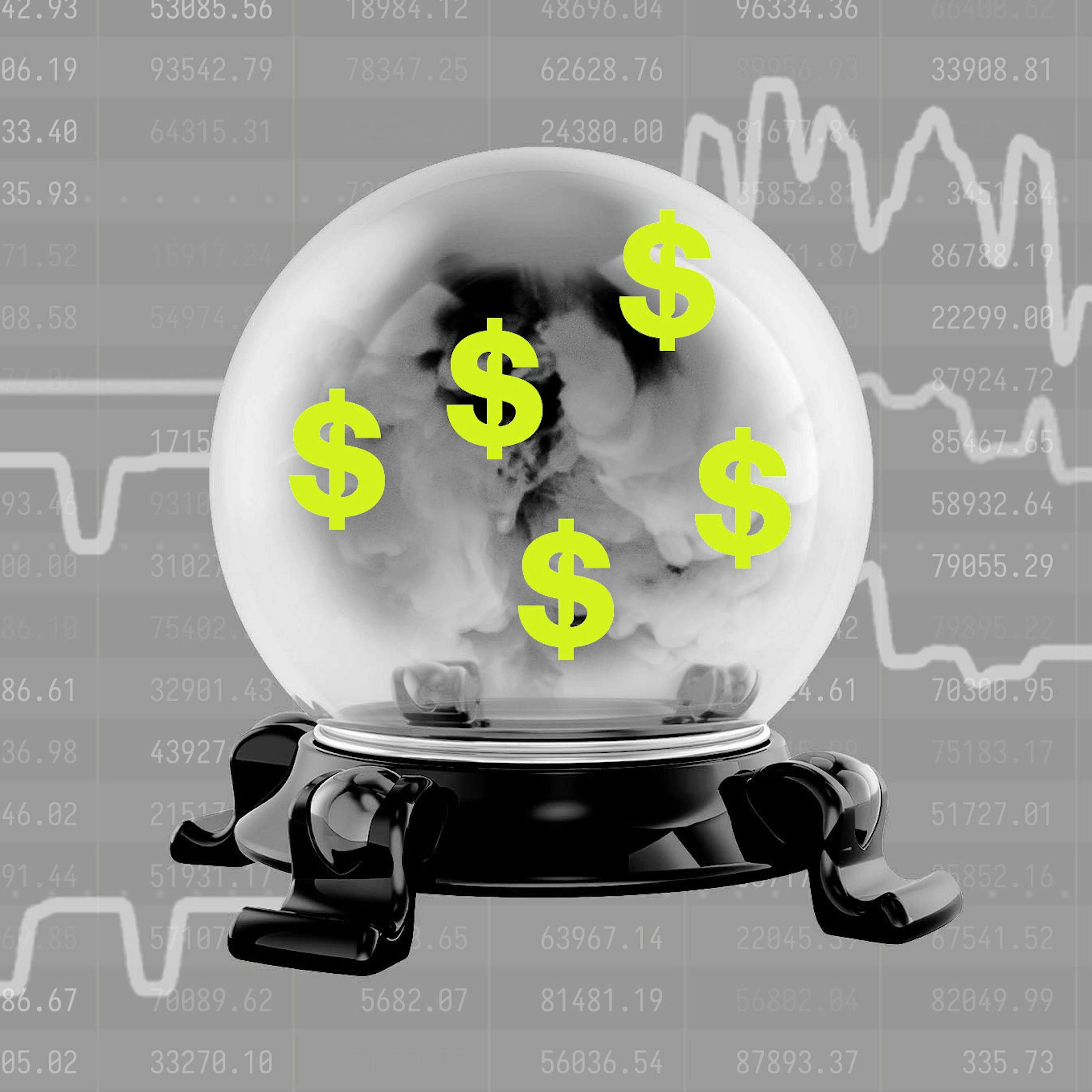
While prediction markets offer pure, insightful data that can outperform traditional polling, they have a dark side. High stakes can incentivize bettors to shift from predicting events to actively influencing them, including threatening journalists to alter their reporting and swing a market in their favor.

Prediction markets thrive on information asymmetry, mirroring the stock market before 2000's Regulation FD, when selective disclosure was common. This structure means 'sharps' with privileged information will consistently profit from 'squares' (the public), making it difficult for casual participants.
Foreign adversaries, particularly from the Middle East and China, are weaponizing political prediction markets. By funding ads that display skewed betting odds, they aim to create a false sense of momentum or inevitability for a candidate, representing a novel and subtle form of election interference designed to sow division.
A more significant danger than insider trading is that individuals in power could actively manipulate real-world outcomes to ensure their bets on a prediction market pay out. This moves beyond leveraging information to actively corrupting decision-making for financial gain, akin to throwing a game in sports.
Prediction markets are better suited for betting on the knowable outcomes of repeatable, pre-planned "pseudo-events" (like product launches or debates) rather than genuine, unpredictable "news" (like a car crash). This distinction is key to their business model, which blurs the line between information and entertainment.
Prediction markets are becoming a new vector for election interference. Foreign entities, particularly from China and the Middle East, can place large bets to skew the odds. As media outlets increasingly cite these markets as legitimate indicators, this manipulation can shape public perception and influence voter behavior.
While praised for aggregating the 'wisdom of crowds,' prediction markets create massive, unregulated opportunities for insider trading. Foreign entities are also using these platforms to place large bets, potentially to manipulate public perception and influence political outcomes.
Kai Ryssdal dismisses the reliability of prediction markets like Calci, calling them "black boxes" due to unknown bettors and potential manipulation. He cites a personal example where a dark horse candidate for Fed Chair saw his odds inexplicably spike on Calci without any supporting news, only to lose the appointment.