Get your free personalized podcast brief
We scan new podcasts and send you the top 5 insights daily.
TikTok's algorithm is exceptionally good at finding niche audiences. This makes creator-led marketing highly effective for B2B products. By creating content that addresses the specific problems of a niche (e.g., software for plumbers), the algorithm will surface it to the right professionals, often more efficiently than broad ad platforms.

Related Insights
Platforms like TikTok and Instagram no longer prioritize followers. Their algorithms, in a trend called 'TikTokification,' now serve content based on user interests. To succeed, brands must create content that taps into specific niches to get discovered, rather than relying on their follower count for reach.

Product discovery has moved beyond simple virality and search optimization. Today, trusted creators who build authentic relationships with their audience are the most effective channel for driving adoption, as their recommendations carry genuine weight.

A massive, underutilized strategy is creating content designed to surface in platform-native search results. For problem-solving products, this captures users actively seeking solutions, moving beyond just entertainment-focused content.

To achieve marketing scale, TikTok allows any creator to promote any item from a business's shop catalog and earn affiliate commissions. This shifts the model from direct contracting of top talent to an open marketplace, activating niche creators and ensuring broad product coverage.

Social media has shifted from 'social' to 'interest' media, where the algorithm targets users based on the content they consume. Making hyper-specific content for your target audience is the most effective form of targeting. Resist making broad content for vanity metrics, as it won't reach qualified buyers.

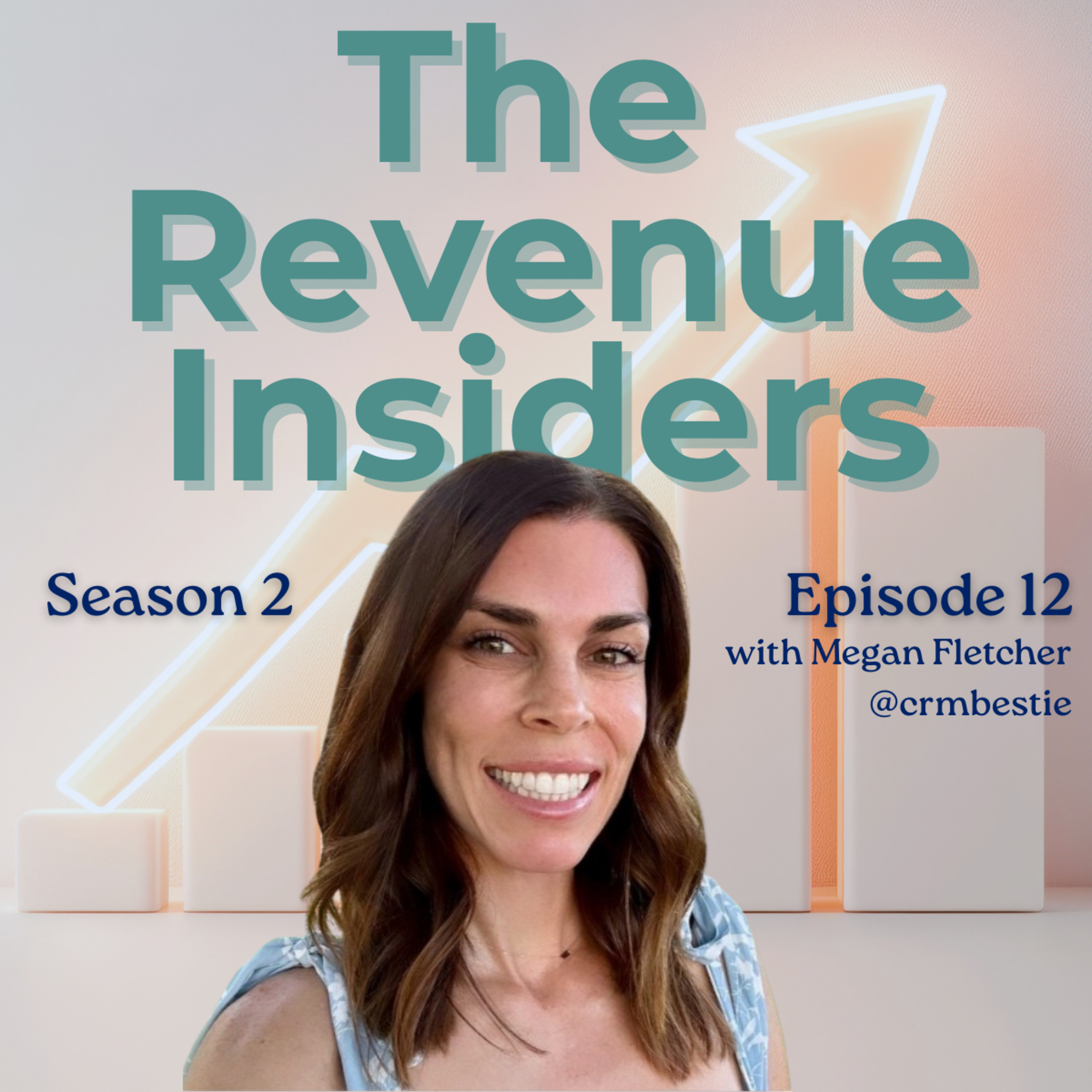
CRM expert Megan Fletcher found an untapped audience for technical RevOps and Salesforce content on TikTok, a platform often overlooked for professional development. This proves that specialized B2B communities can be built successfully on consumer-focused social media.
Meta's ad algorithm now functions like TikTok's feed. What you say and show in your creative directly dictates who sees the ad. Generic, broad creative is ineffective; you must speak directly to a specific avatar's problems and position your product as the unique solution.

Instead of traditional corporate social media, video software company TLDV hired TikTok creators known for their satirical content aimed at product managers. These creators became the brand's personality on social media, proving that B2B company pages can be engaging when they stop acting like a logo and start acting like a person.

B2B SaaS companies selling to specific verticals (like car dealerships) should stop broadcasting on all channels. Instead, they must focus on LinkedIn, creating native content as if for TikTok and then using targeted ads to amplify winning posts to their ideal customer profile.
Platforms like TikTok fundamentally shifted content delivery from a "social graph" (friends) to an "interest graph" (hobbies, topics). This means businesses can now reach highly engaged audiences who don't follow them, making organic discovery more powerful than ever.