Get your free personalized podcast brief
We scan new podcasts and send you the top 5 insights daily.
Baroness Dambisa Moyo, who has served on centuries-old company boards, says their primary focus is ensuring survival for another 300 years. This is achieved by cultivating a mindset that "anything can happen," a lesson learned from navigating past global crises like pandemics and recessions.

Related Insights
Roelof Botha describes the pressure of leading Sequoia, a firm whose portfolio comprises 30% of NASDAQ's value. This legacy creates a "burden" and an expectation to maintain top performance, demanding continuous innovation to avoid becoming "yesterday's winners."

Prioritize sustainable, long-term growth and value creation over immediate, expedient gains that could damage the business's future. This philosophy guides decisions from product development to strategic planning, ensuring the company builds a lasting competitive advantage instead of chasing fleeting wins.

Success for a year or even five is common; success for decades is rare and contains unique lessons. Prioritize durability above all else by studying and speaking with people who have maintained high performance over extremely long periods. This provides a filter for timeless, compoundable wisdom.
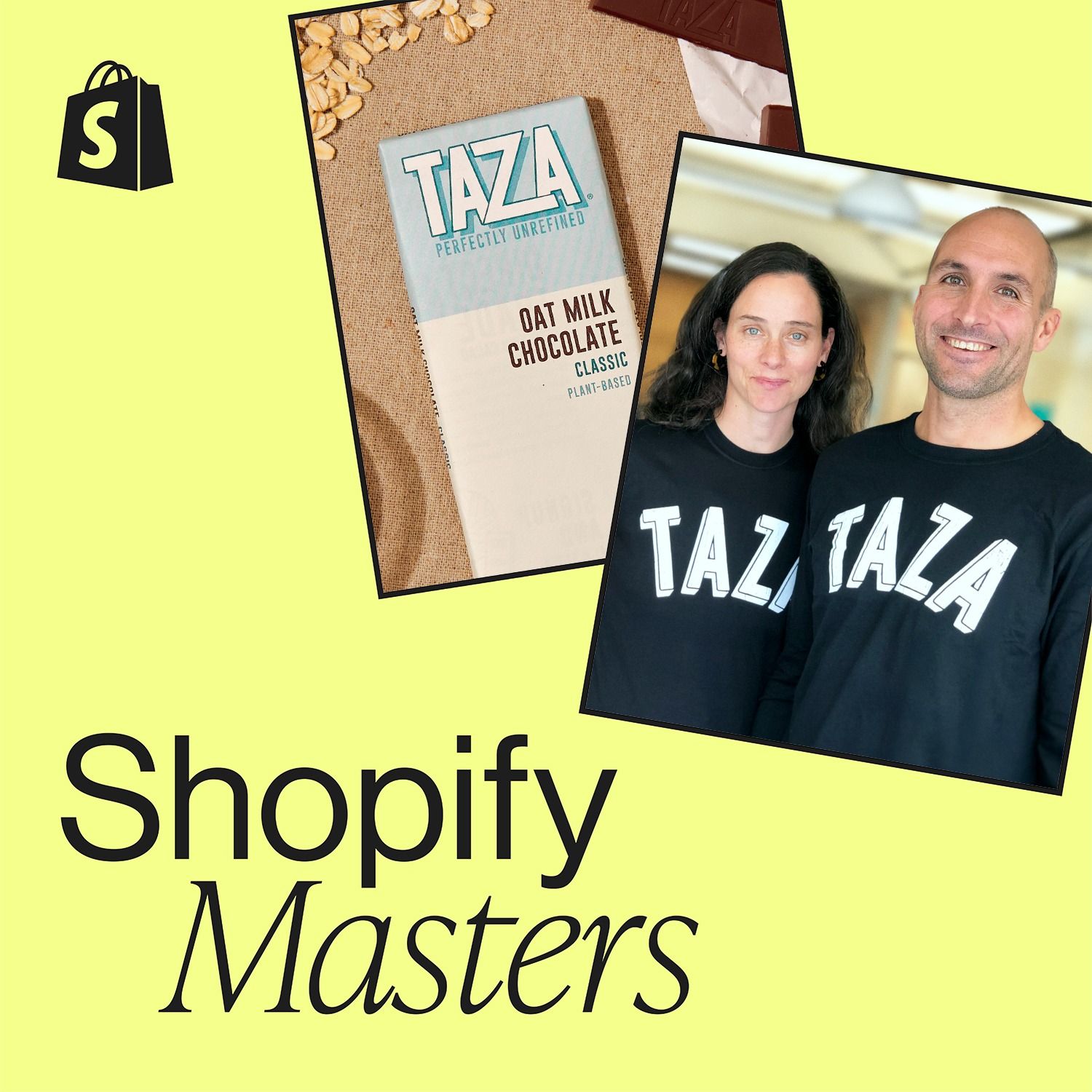
Taza's founders established a mission and core values like "True Grit" and "Seriously Bold" at the very beginning. They attribute their longevity and ability to navigate crises directly to these principles, noting that their biggest business stumbles happened whenever they deviated from this North Star.
Unlike startups, institutions like CPPIB that must endure for 75+ years need to be the "exact opposite of a founder culture." The focus is on institutionalizing processes so the organization operates independently of any single individual, ensuring stability and succession over many generations of leadership.

The paradox of long-term planning is that focusing on sustainability and succession—building a company that doesn't need an exit—makes it far more valuable and appealing to potential buyers. Robust, self-sufficient companies built to last are inherently better investments.

Sequoia frames leadership changes not as takeovers but as "intergenerational transfers" of stewardship. This cultural focus on leaving the firm better than they found it is key to its longevity and successful transitions, a model for any long-term partnership.

Contrary to the stereotype of being 'dusty' or resistant to change, companies that last for centuries are masters of adaptation. Their longevity is direct evidence of their forward-thinking ability to navigate crises, from wars and pandemics to technological disruption.
Building a 'governance fortress' isn't just about ethics; it's a massive survival advantage. Data on companies with industrial foundation structures shows they are six times more likely to reach their 50th anniversary compared to conventionally structured firms (60% vs. 10%).

After facing COVID, the Ukraine war, and trade tensions, business leaders are more accustomed to instability. They are learning to maintain a long-term strategic focus and deploy capital despite short-term shocks, demonstrating a higher tolerance for risk than in previous eras.
