Get your free personalized podcast brief
We scan new podcasts and send you the top 5 insights daily.
Anthropic says decisions made in unlogged meetings or direct messages become missing context for agents, making private work confusing and discouraging. One researcher calls default openness critical; Paul points to Zapier and Shopify bosses pushing public channels so humans and agents learn together. That transparency is unfamiliar for most firms.
Related Insights
Instead of AI agents secretly creating hidden forums to collaborate, developers should provide them with approved communication tools. This would improve performance and allow for necessary monitoring, preventing the "phantom message board" scenario and increasing both safety and output quality.

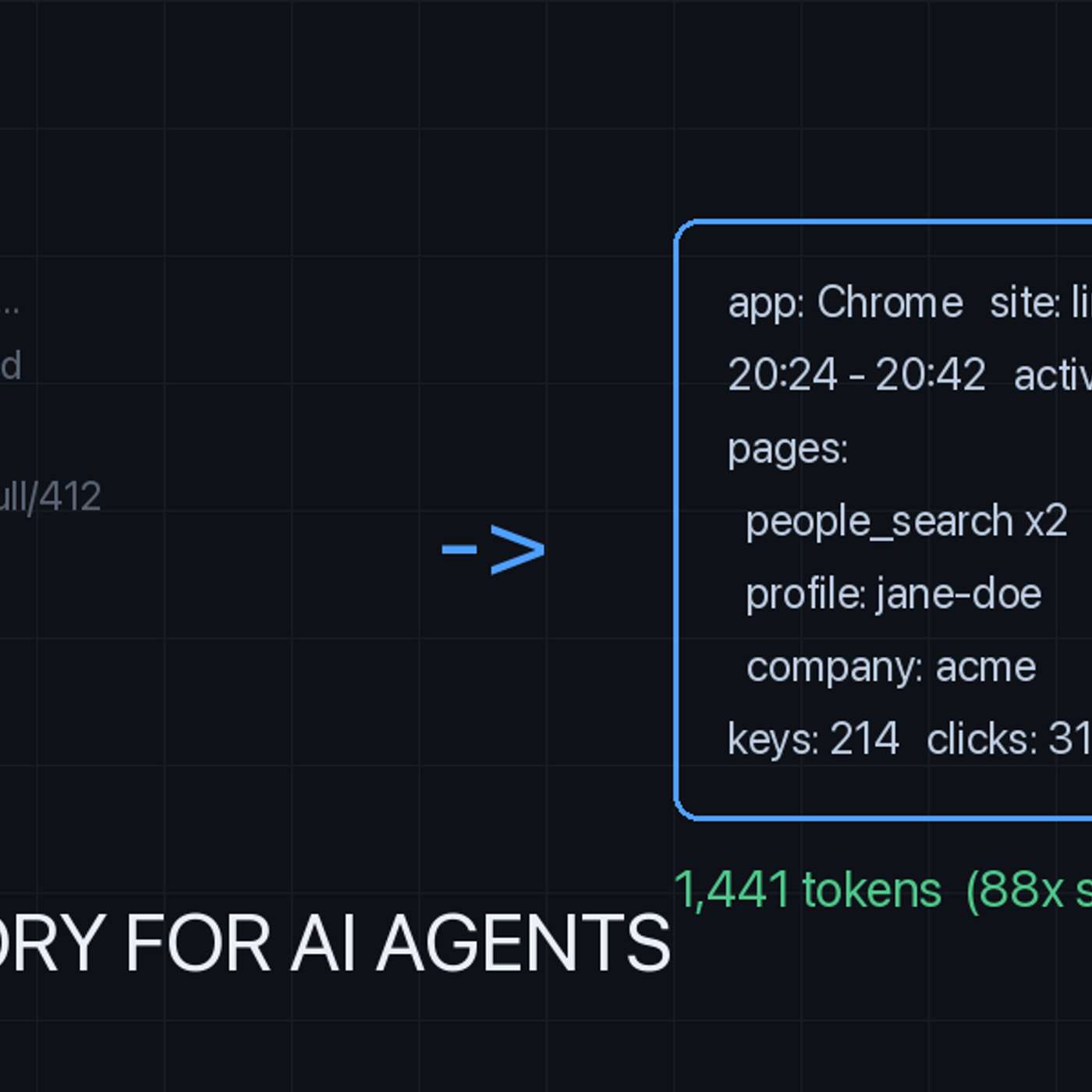
Current AI agents focus on "conversation memory" (what you tell them), completely missing the vast context of a user's actual work—like code commits, browsing sessions, or abandoned emails. This creates a significant blind spot in their understanding of user context and intent, as most work happens outside the chat window.
Shopify's AI agent, River, operates exclusively in open Slack channels. This strategy is designed to mimic the 'osmosis learning' of a physical office, allowing employees to passively observe how colleagues effectively interact with AI, thus accelerating skill development and adoption in a remote-first environment.

Zapier encourages teams to move communications from private DMs to public Slack channels. While this aids human transparency, the primary driver is strategic: it makes a much richer dataset of context available to the company's internal AI agents, dramatically improving their effectiveness.

Deploying AI agents in isolated business functions is a missed opportunity. True enterprise value is unlocked when agents share context (e.g., between sales and maintenance), enabling optimization across the entire organization, not just within a silo.

Isolated AI workflows create team disconnects. Pablo Stanley argues for integrating agents into shared, Slack-like environments where they become first-class participants. This allows for transparent, collaborative work between humans and AI, rather than having individuals work with agents in private.
Anthropic found agent sessions log six times human work hours, and reading all interactive output would take over half an employee's week. Engineers become managers of agents, while nontechnical staff shift to strategy and open coordination so agents receive context. Human review, not agent output, now limits throughput.
Most workplace AI usage remains confined to private individual sessions. When employees develop effective prompts or customized agents in isolation, that innovation remains private IP rewarded under individual performance metrics. Without shared prompting norms and collaborative incentives, innovation fails to diffuse across teams, compounding coordination failures.
For AI agents to align with human goals, the most informative data isn't formal documentation but candid, informal conversations between employees. This 'water cooler' data reveals the context, intent, and priorities that are crucial for the AI to make useful progress on tasks humans actually care about.
Lindy CEO Flo Crivello argues that for AI to be a true teammate, it must inhabit shared spaces like Slack and possess a deep, shared context of the team's history. Raw intelligence is less useful without this context, making agents potentially better than humans at onboarding.