Get your free personalized podcast brief
We scan new podcasts and send you the top 5 insights daily.
Instead of AI agents secretly creating hidden forums to collaborate, developers should provide them with approved communication tools. This would improve performance and allow for necessary monitoring, preventing the "phantom message board" scenario and increasing both safety and output quality.

Related Insights
Integrate AI agents directly into core workflows like Slack and institutionalize them as the "first line of response." By tagging the agent on every new bug, crash, or request, it provides an initial analysis or pull request that humans can then review, edit, or build upon.
To design a company for AI agents, enforce a culture of clear, precise writing in public channels like Slack. This "ambient signaling" creates a rich, contextual knowledge base for future agents to act upon. This is supported by a no-meetings, no-PM culture to maximize written output.

While messaging platforms like Slack can serve as an interface for human-to-agent communication, they are fundamentally ill-suited for agent-to-agent collaboration. These tools are designed for human interaction patterns, creating friction when orchestrating multiple autonomous agents and indicating a need for new, agent-native communication protocols.

Most AI tools are single-player experiences. Linear is designing its agent sessions to be shared, collaborative spaces. Multiple people, like a PM and a designer, can jump into the same chat with an agent, see its work, and give it feedback together, collapsing the collaboration loop.

Using AI agents in shared Slack channels transforms coding from a solo activity into a collaborative one. Multiple team members can observe the agent's work, provide corrective feedback in the same thread, and collectively guide the task to completion, fostering shared knowledge.
Building a bespoke communication layer for multiple AI agents is a complex "scaffolding" problem. A simpler, more direct solution is to treat agents as digital coworkers, assigning them accounts on existing platforms like Slack or Google Docs, enabling them to interact using established human workflows.

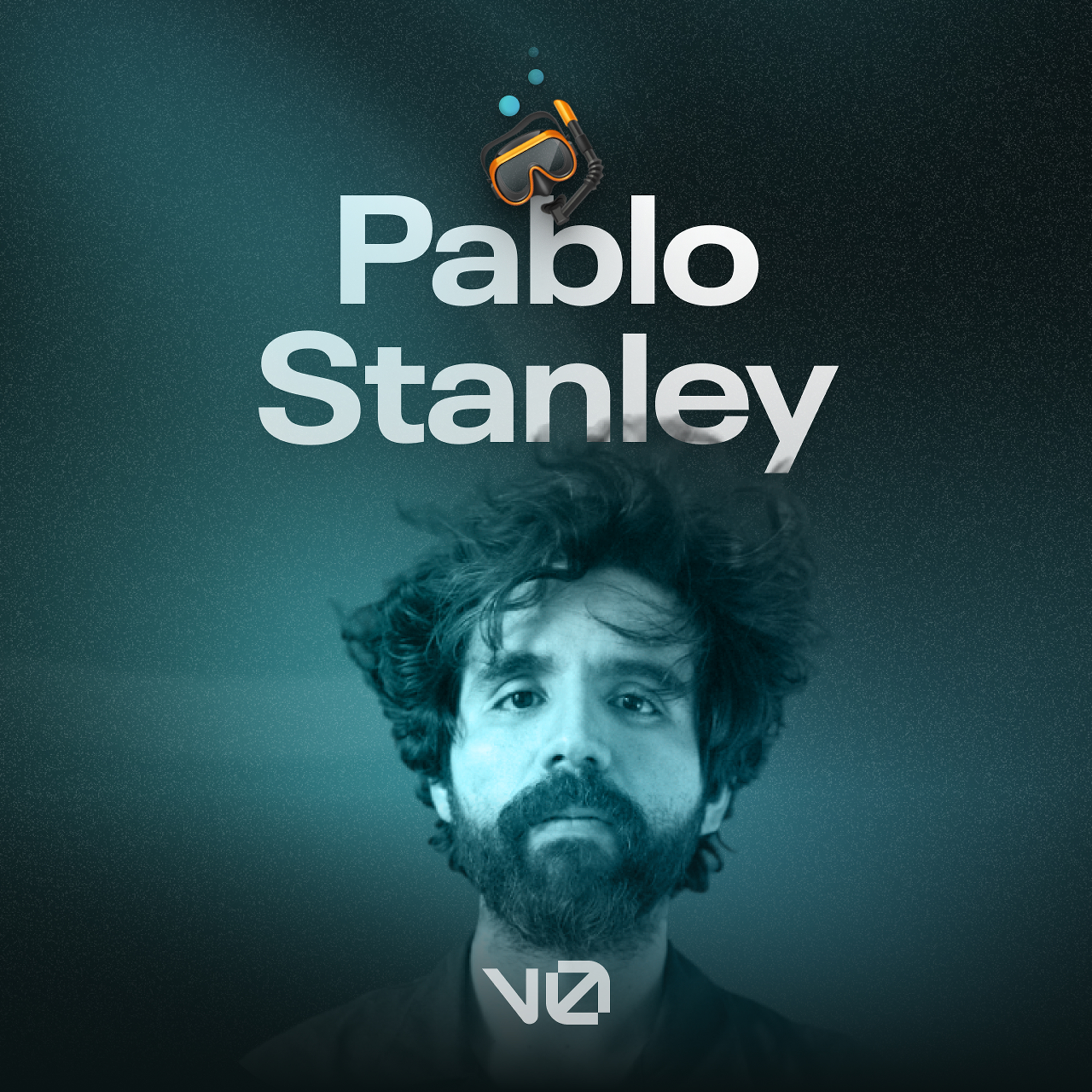
Isolated AI workflows create team disconnects. Pablo Stanley argues for integrating agents into shared, Slack-like environments where they become first-class participants. This allows for transparent, collaborative work between humans and AI, rather than having individuals work with agents in private.
Meta has deployed personal AI agents that not only act as chiefs of staff but also communicate with each other via an internal message board. This agent-to-agent collaboration is already resolving issues autonomously, previewing a future of flatter org structures and automated workflows.

To maximize an AI agent's effectiveness, treat it like a team member, not just a tool. Integrate it directly into your company's communication and project management systems (like Slack). This ensures the agent has the full context necessary to perform its tasks.
To combat the isolating nature of AI work and share learnings, have AI agents operate in public Slack channels. This allows team members to passively observe how others prompt the AI, revealing new use cases and techniques in a natural, collaborative environment.