Get your free personalized podcast brief
We scan new podcasts and send you the top 5 insights daily.
Micro-influencers are often willing to post about new, unknown brands for free product not just for the item itself, but because it serves as social proof. Receiving and sharing PR packages helps them build their own brand and signal to their audience that they are 'in-demand' creators, making it a symbiotic relationship.

Related Insights
Instead of spending small, inconsistent amounts on influencers, food startups should allocate a significant, planned budget (e.g., $20,000 over a year) to a few carefully selected micro-influencers. This allows for deeper partnerships and more impactful content that demonstrates the product effectively.

The effectiveness of large-scale influencer marketing is waning as audiences recognize inauthentic paid promotions. A better strategy is to identify smaller creators, or 'trust brokers,' with high engagement and genuine community trust. Focus on building real, long-term, mutually beneficial relationships rather than transactional one-off posts.

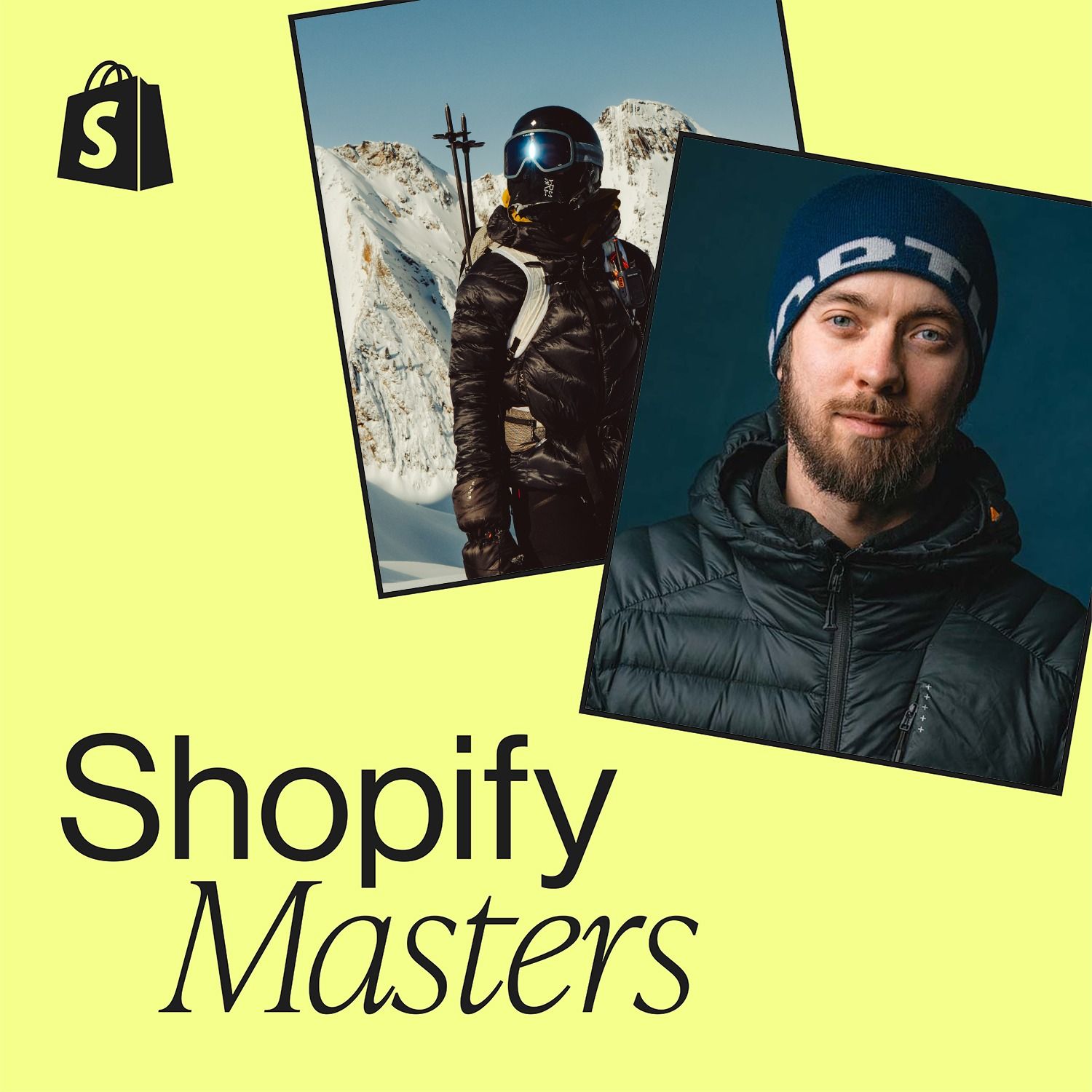
True influence in niche communities often lies with respected experts who lack a large social media presence. Building relationships with these 'invisible influencers,' like dedicated ski bums, by providing free products can generate powerful, authentic word-of-mouth credibility.
Gymshark's initial influencer success wasn't a calculated campaign. It was born from genuine fandom; they sent products to YouTubers they personally admired. This authentic, non-transactional approach built real community trust long before influencer marketing became a formalized, paid industry.
As buyers are inundated with automated outreach, they will turn to trusted individuals for recommendations. Companies will leverage both external influencers with established audiences and their own internal experts to build personal brands, creating a trusted channel to cut through the noise.

Instead of relying solely on paid ads, a niche e-commerce brand can partner with micro-creators in its vertical. This creates an ambassador network that provides both a powerful sales channel and predictive data on which products will perform best.

Co-founder Sarah Foster reveals that micro-influencers with authentic, engaged audiences have been far more effective at driving sales than celebrities with millions of followers. This highlights the superior ROI of niche creators who have built genuine trust within their communities, proving reach doesn't always equal results.

Paying large sums for single placements with mega-influencers is a high-risk gamble. A more effective, scalable strategy is to focus on generating authentic content with nano- and micro-creators. This approach leverages social platform algorithms for distribution and builds more trust.

Gamma’s founder personally onboarded early influencers, walking them through the product and brainstorming hooks. This investment treats influencers as extensions of the team, not just a media buy, fostering genuine understanding and authentic promotion in their own voice.

Elite affiliates require pre-existing social proof from credible publications to validate that a product will convert before investing resources. Effective PR builds the foundational credibility needed to unlock a successful, scalable affiliate program.