Get your free personalized podcast brief
We scan new podcasts and send you the top 5 insights daily.
Casado asserts that current AI is an individual prosumer technology. Corporate AI projects often fail because they misapply it. The immediate organizational value comes from the aggregate productivity gains of employees using consumer AI tools like ChatGPT on their own.

Related Insights
The best barometer for AI's enterprise value is not replacing the bottom 5% of workers. A better goal is empowering most employees to become 10x more productive. This reframes the AI conversation from a cost-cutting tool to a massive value-creation engine through human-AI partnership.

The key for enterprises isn't integrating general AI like ChatGPT but creating "proprietary intelligence." This involves fine-tuning smaller, custom models on their unique internal data and workflows, creating a competitive moat that off-the-shelf solutions cannot replicate.
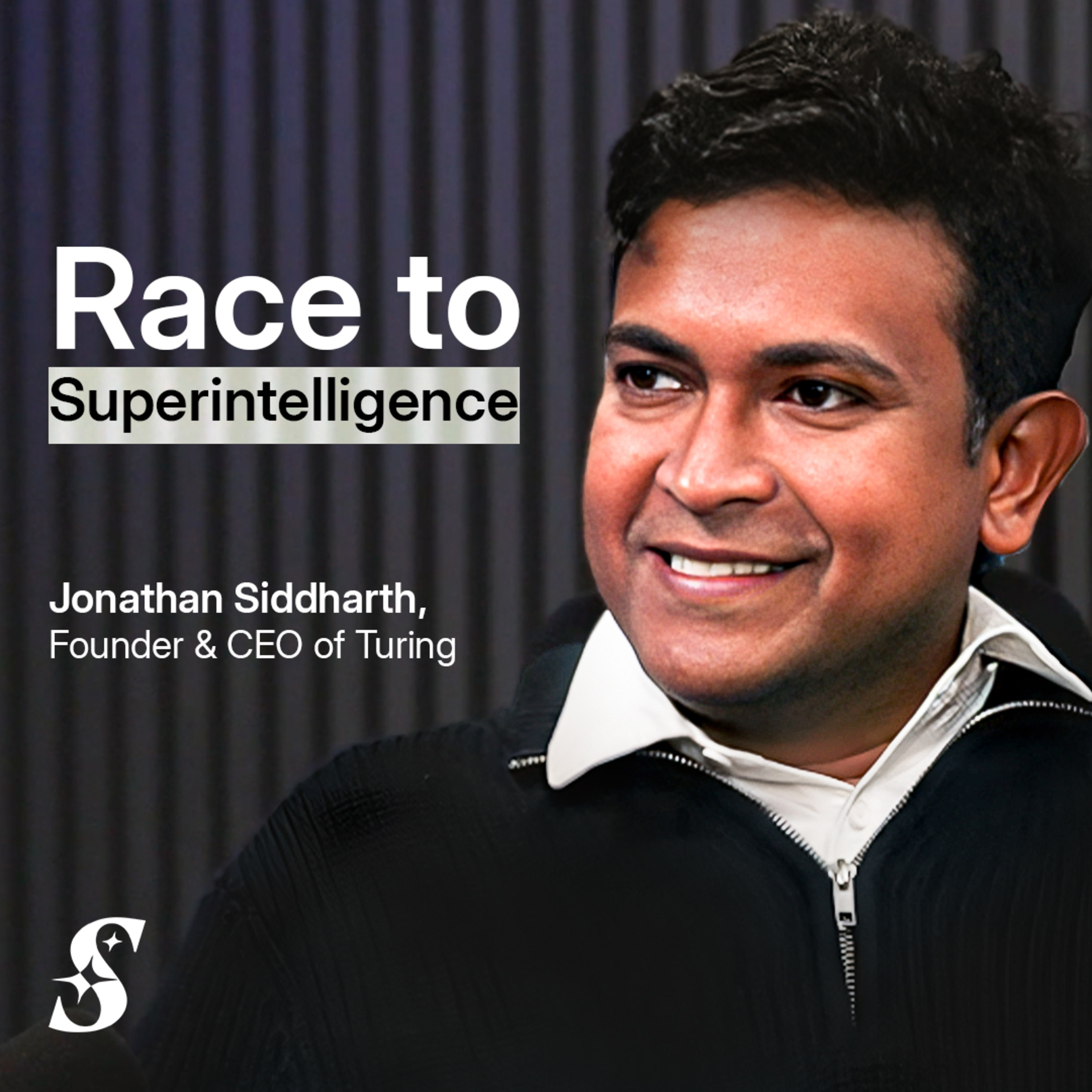
The massive TAM expansion for AI relies on shifting spend from labor to technology budgets. This shift won't happen because of top-down CIO mandates. It must be driven by bottom-up product pull, where the value proposition is so overwhelmingly clear that customers are compelled to adopt it.
Unlike previous top-down technology waves (e.g., mainframes), AI is being adopted bottom-up. Individuals and small businesses are the first adopters, while large companies and governments lag due to bureaucracy. This gives a massive speed advantage to smaller, more agile players.

The true enterprise value of AI lies not in consuming third-party models, but in building internal capabilities to diffuse intelligence throughout the organization. This means creating proprietary "AI factories" rather than just using external tools and admiring others' success.
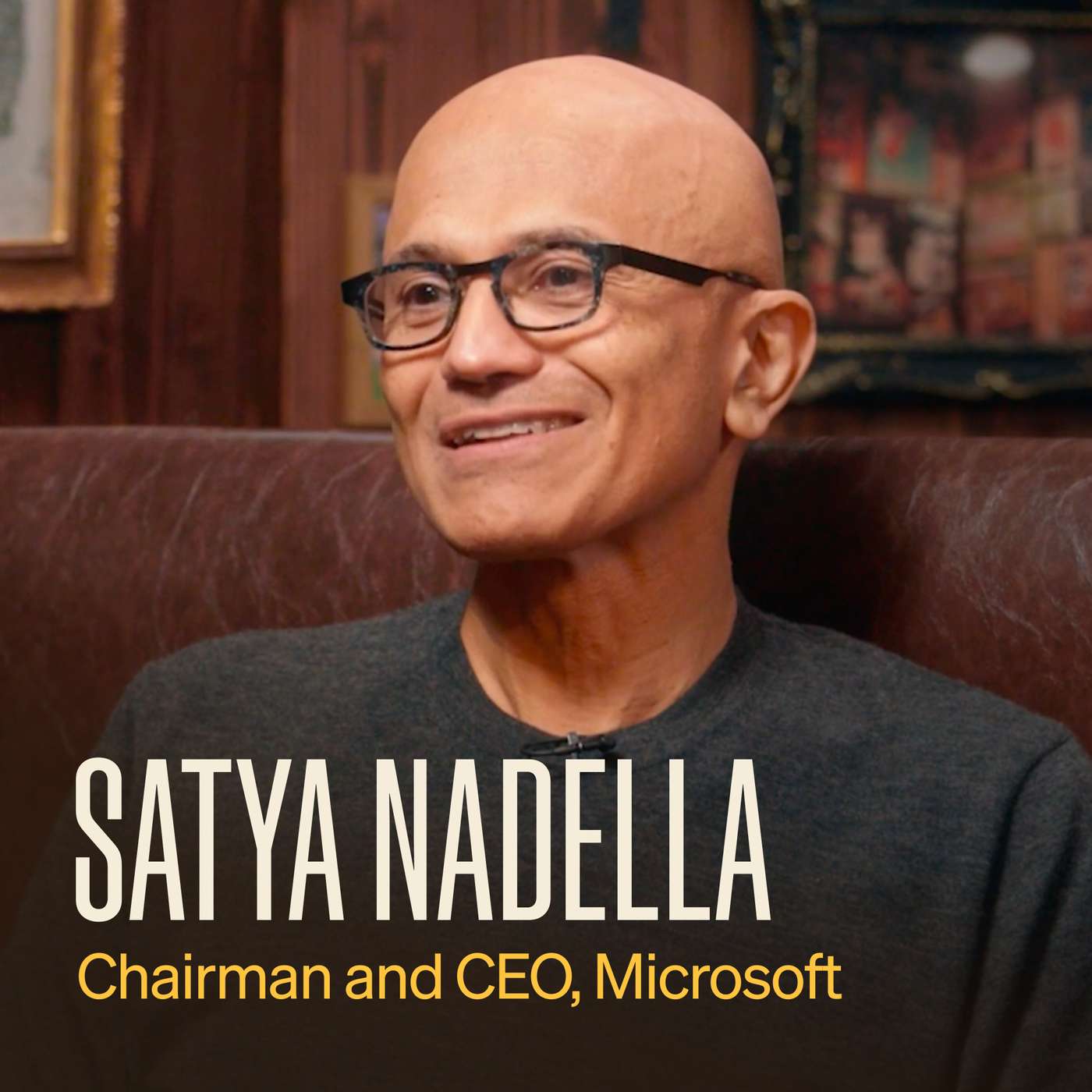
By integrating into the enterprise workflow through licenses and custom models, ChatGPT creates a powerful daily habit for millions of employees. This work-based usage spills over into personal life, reinforcing its position as the default AI tool and making it harder for consumer-only competitors to break through.
According to OpenAI's Head of Applications, their enterprise success is directly fueled by their consumer product's ubiquity. When employees already use and trust ChatGPT personally, it dramatically simplifies enterprise deployment, adoption, and training, creating a powerful consumer-led growth loop that traditional B2B companies lack.

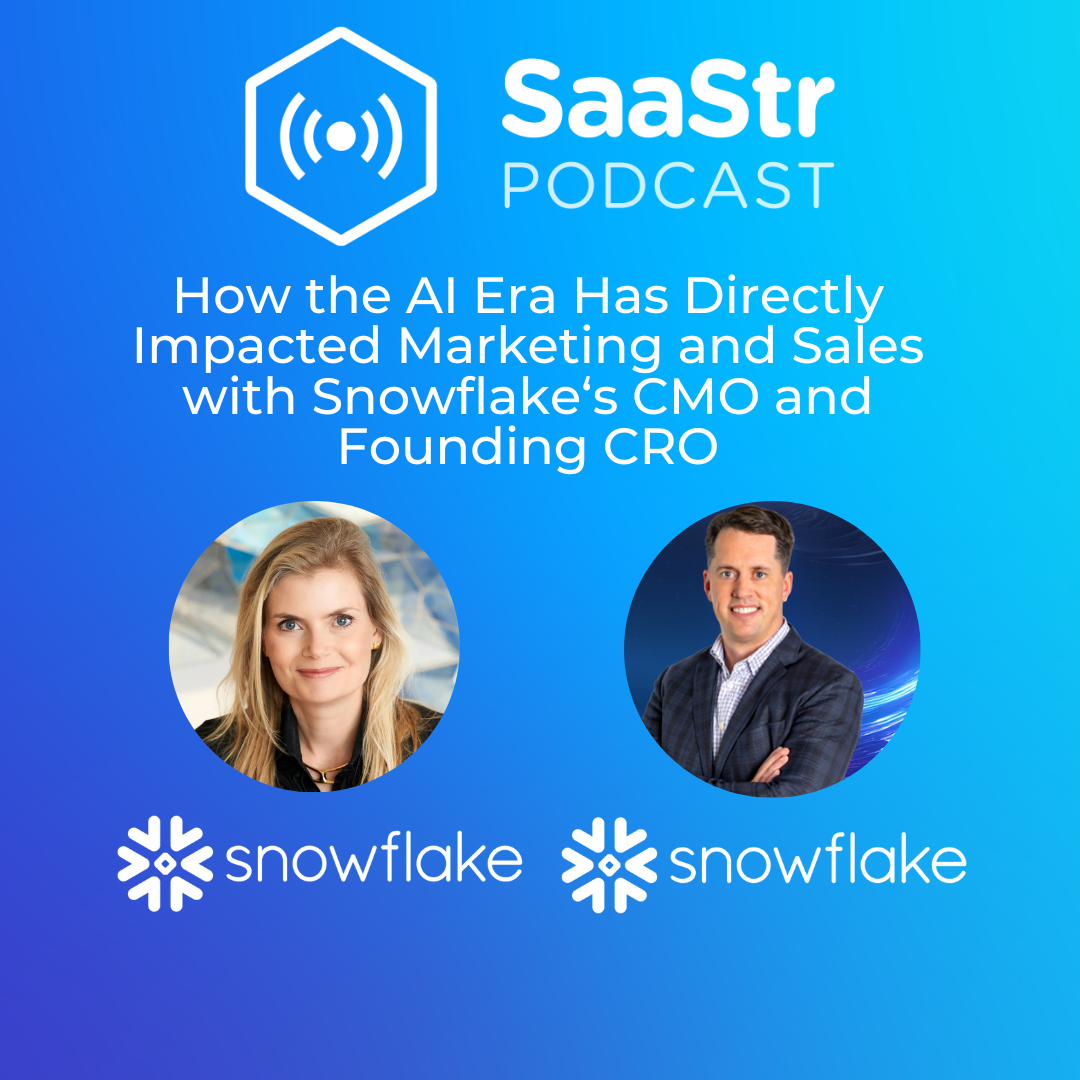
Snowflake's former CRO offers a pragmatic view of AI, calling it a 'task automator.' He stresses that for enterprise adoption, AI tools can't just be 'cool.' They must deliver a clear return on investment by either generating revenue or creating significant cost savings, like the 418 hours per week saved by their support team.
Teams that become over-reliant on generative AI as a silver bullet are destined to fail. True success comes from teams that remain "maniacally focused" on user and business value, using AI with intent to serve that purpose, not as the purpose itself.

Sam Altman clarifies that OpenAI's path to enterprise success was deliberately consumer-first. The widespread adoption of ChatGPT in users' personal lives creates a powerful inbound channel for enterprise deals, as employees bring the tool they know and trust into their workplace.
