Get your free personalized podcast brief
We scan new podcasts and send you the top 5 insights daily.
Traditional futures markets remain institutional and opaque to small business owners. Kalshi sees rapid growth among smaller enterprises—ranging from California goat farmers hedging labor legislation to Texas companies hedging election outcomes—who lack the sophistication or institutional access to buy oil futures. Simple binary contracts allow these operators to treat event markets like customized insurance for diesel, weather, and politics.

Related Insights
While current prediction markets focus on consumer topics like politics and sports, Katie Haun believes the larger, untapped opportunity lies in enterprise applications. Businesses can use these markets for sophisticated risk hedging, predicting outcomes of drug trials, or forecasting litigation results, creating a new category of institutional financial tools.

CME is entering the retail prediction market by offering short-term, binary contracts on assets like gold and oil through FanDuel. These events last only 60 minutes and run multiple times a day, designed to be simple and accessible for a gaming-oriented audience while leveraging CME's deep liquidity.

CEO Vlad Tenev views prediction markets as a tool to disrupt massive industries like insurance. He highlights using weather markets to hedge against fire or hurricane risk, creating bespoke, competitive financial products that bypass the cumbersome, expensive traditional insurance brokerage process.
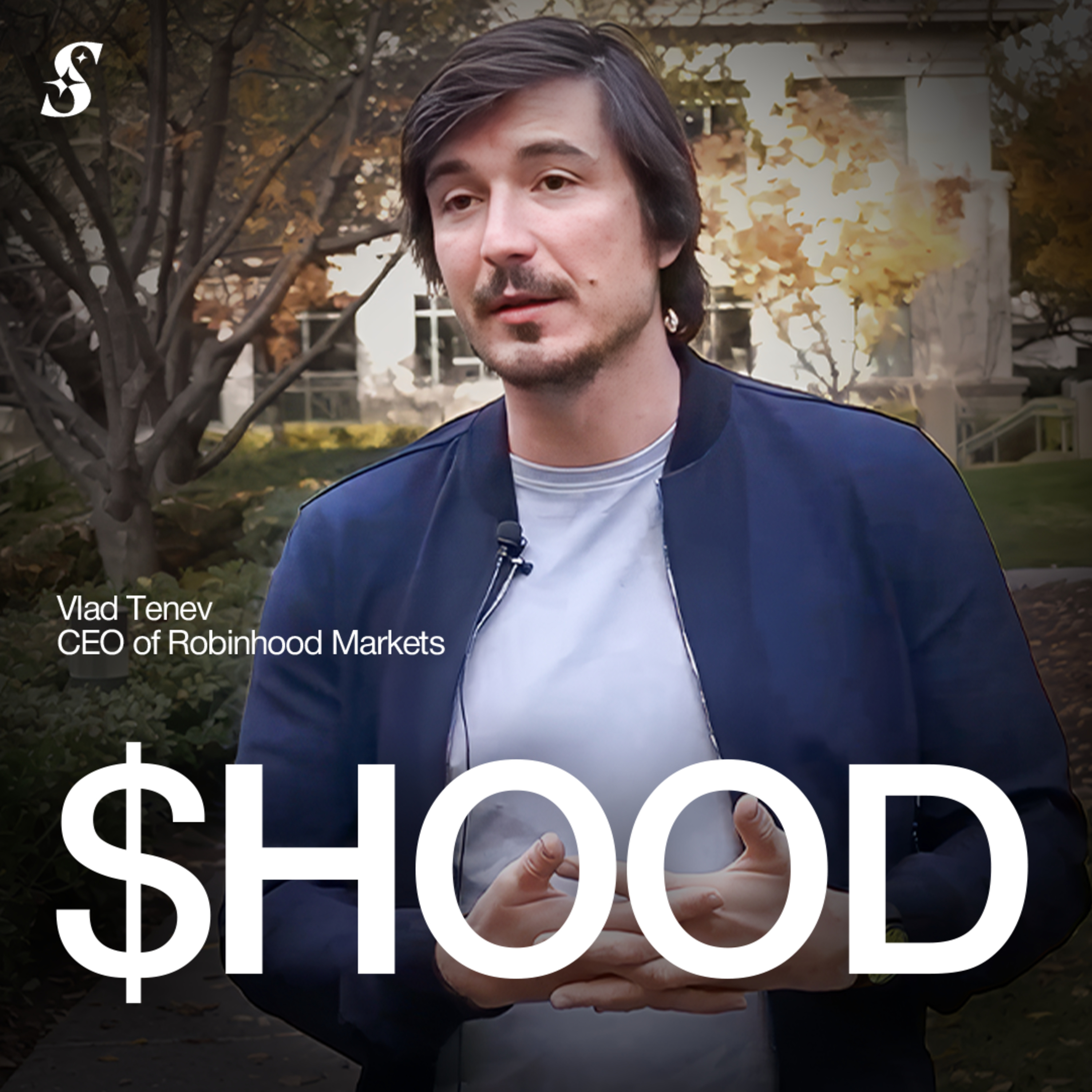
For risks where traditional insurance is unavailable, like hurricanes in Florida, prediction markets offer a novel alternative. By placing a relatively small bet on an adverse event, one can create a financial hedge that pays out if the event occurs, offsetting potential damages like an insurance policy would.
To offer free drinks if the Knicks won, a bar simultaneously placed a bet on the Knicks winning in a prediction market. When the team won, the bar lost $15,000 on free drinks but gained an equal amount from its bet. This showcases how small businesses can use prediction markets as a sophisticated financial hedge for marketing campaigns.

After a long regulatory battle, Kalshi expanded its event marketplace through a series of 'small p pivots.' They started with current events, moved to economic indicators, then elections (which required suing their regulator), and now sports. This shows a methodical approach to market expansion in a regulated space.
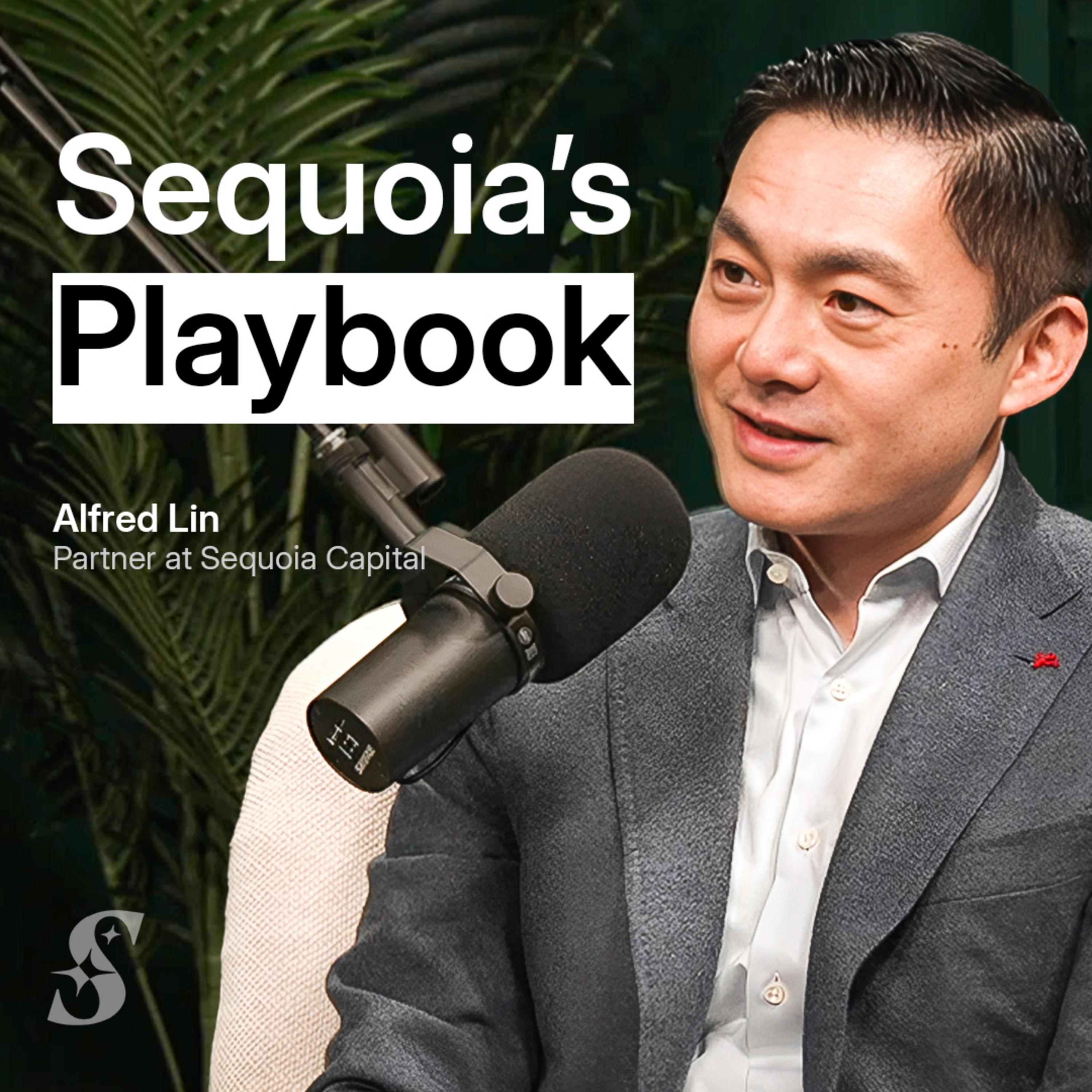
Beyond speculation, Robinhood frames prediction markets as a precise hedging tool for real-world risks. A consumer could use a weather contract to financially protect their home from a hurricane, for example, bypassing the high cost and complexity of traditional insurance policies.

The primary innovation of prediction markets isn't just the event contracts themselves, but the incredible speed-to-market. A new, bespoke hedging instrument can be listed in a day, compared to the year-long process required by traditional futures exchanges.
Kalshi's core insight came from observing Wall Street's flawed approach to event-based trading. Traders incorrectly used proxies like shorting the S&P 500 to bet on Trump's 2016 election. They were trading the market's unpredictable *reaction* to an event, rather than the event itself, creating a massive opportunity for a direct event marketplace.

The main barrier to institutional adoption of prediction markets for hedging is not a lack of interest, but insufficient liquidity. Large hedge funds and corporations need to be able to place trades in the tens of millions of dollars for it to be worthwhile, a scale Kalshi's markets have yet to consistently reach.