Get your free personalized podcast brief
We scan new podcasts and send you the top 5 insights daily.
While current prediction markets focus on consumer topics like politics and sports, Katie Haun believes the larger, untapped opportunity lies in enterprise applications. Businesses can use these markets for sophisticated risk hedging, predicting outcomes of drug trials, or forecasting litigation results, creating a new category of institutional financial tools.

Related Insights
Prediction markets are not just for betting. They are becoming a valuable source of predictive data for enterprises, as shown by new partnerships with media giants like CNN and CNBC. This dual-purpose model, functioning as both a consumer product and a B2B data service, creates two distinct revenue streams.

New platforms frame betting on future events as sophisticated 'trading,' akin to stock markets. This rebranding as 'prediction markets' helps them bypass traditional gambling regulations and attract users who might otherwise shun betting, positioning it as an intellectual or financial activity rather than a game of chance.

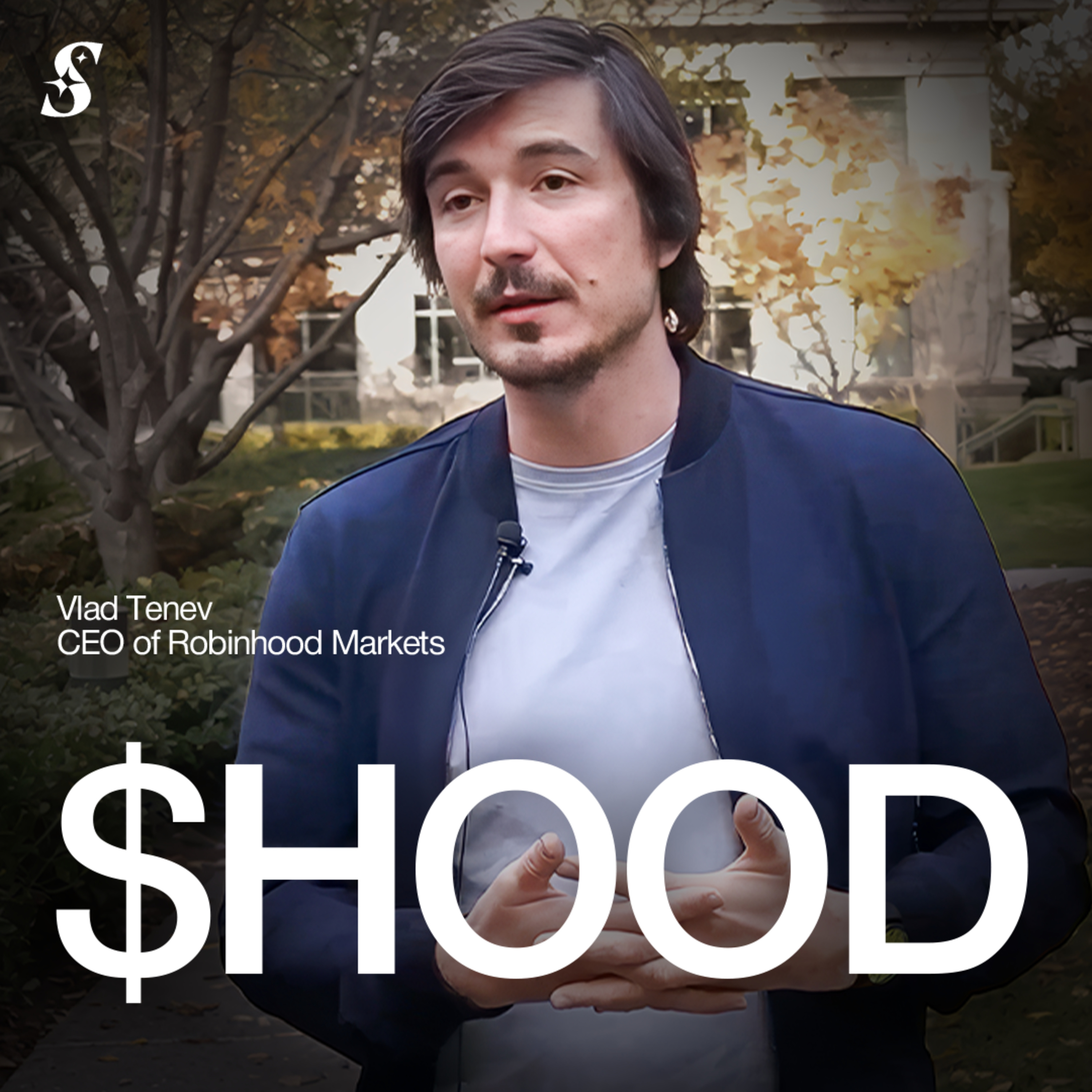
CEO Vlad Tenev views prediction markets as a tool to disrupt massive industries like insurance. He highlights using weather markets to hedge against fire or hurricane risk, creating bespoke, competitive financial products that bypass the cumbersome, expensive traditional insurance brokerage process.
Beyond finance and sports, prediction markets offer a powerful tool for governance. Policymakers can create markets on the potential outcomes of proposed policies (e.g., reducing unemployment). This provides a stronger signal than polling because participants have real financial 'skin in the game,' revealing true market sentiment.

For risks where traditional insurance is unavailable, like hurricanes in Florida, prediction markets offer a novel alternative. By placing a relatively small bet on an adverse event, one can create a financial hedge that pays out if the event occurs, offsetting potential damages like an insurance policy would.
IBKR's prediction market, Forecast Trader, deliberately avoids sports and pop culture contracts offered by rivals. It focuses exclusively on questions with significant economic consequences, such as recession odds or AI adoption, to attract its existing base of serious, institutional investors.

Prediction markets are accelerating their normalization by integrating directly into established ecosystems. Partnerships with Google, Robinhood, and the NYSE's owner embed gambling-like activities into everyday financial and informational tools, lowering barriers to entry and lending them legitimacy.
Beyond speculation, Robinhood frames prediction markets as a precise hedging tool for real-world risks. A consumer could use a weather contract to financially protect their home from a hurricane, for example, bypassing the high cost and complexity of traditional insurance policies.

Analysis shows prediction market accuracy jumps to 95% in the final hours before an event. The financial incentives for participants mean these markets aggregate expert knowledge and signal outcomes before they are widely reported, acting as a truth-finding mechanism.
Tarek Mansour argues traditional finance is dominated by institutions with an information advantage. Prediction markets create an opportunity for individuals with deep, non-traditional expertise—in culture, weather, or technology—to profit from unique insights often overlooked by Wall Street.
