Get your free personalized podcast brief
We scan new podcasts and send you the top 5 insights daily.
For risks where traditional insurance is unavailable, like hurricanes in Florida, prediction markets offer a novel alternative. By placing a relatively small bet on an adverse event, one can create a financial hedge that pays out if the event occurs, offsetting potential damages like an insurance policy would.
Related Insights
New platforms frame betting on future events as sophisticated 'trading,' akin to stock markets. This rebranding as 'prediction markets' helps them bypass traditional gambling regulations and attract users who might otherwise shun betting, positioning it as an intellectual or financial activity rather than a game of chance.

Speculation is often maligned as mere gambling, but it is a critical component for price discovery, liquidity, and risk transfer in any healthy financial market. Without speculators, markets would be inefficient. Prediction markets are an explicit tool to harness this power for accurate forecasting.

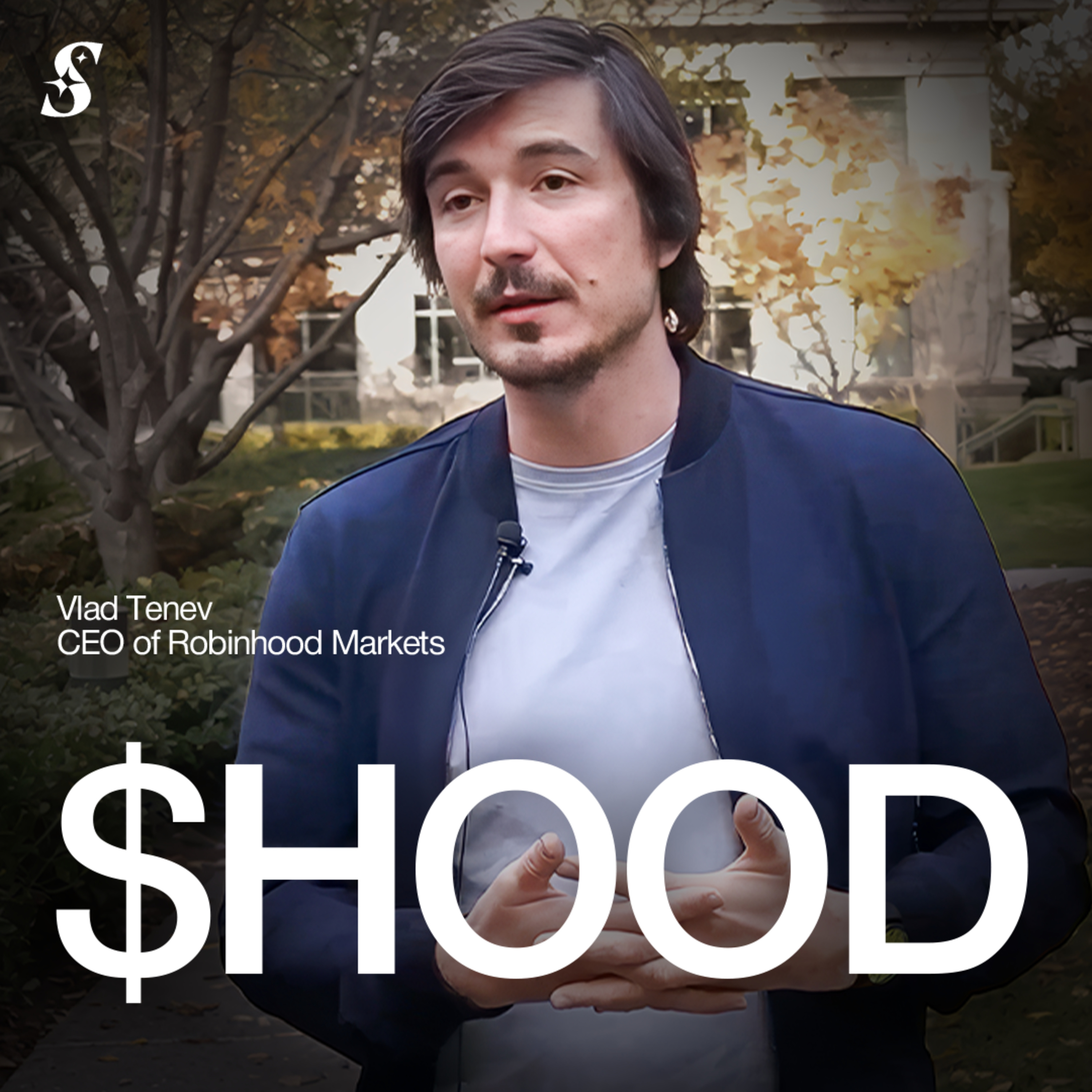
CEO Vlad Tenev views prediction markets as a tool to disrupt massive industries like insurance. He highlights using weather markets to hedge against fire or hurricane risk, creating bespoke, competitive financial products that bypass the cumbersome, expensive traditional insurance brokerage process.
While both involve risk, prediction markets like Polymarket allow for bets on real-world events where an individual can have a genuine analytical edge. This contrasts with the uninformed, "degenerate" speculation common in meme coins, offering a potentially more rational outlet for risk capital.

Prediction markets have existed for decades. Their recent popularity surge isn't due to a technological breakthrough but to success in legalizing them. The primary obstacle was always legal prohibition, not a lack of product-market fit or superior technology.

The financialization of everything, particularly through prediction markets, is defined as "the absence of politics." Instead of relying on trust in experts (politics), these markets force participants to put money where their mouth is, creating an objective measure of confidence based on liquidity at risk.

Insurers like Aviva are finding it increasingly difficult to price risk for predictable climate-related catastrophes, such as houses repeatedly built on known floodplains. The near-inevitability of these events makes them uninsurable, prompting the creation of hybrid government-backed schemes where the private market can no longer operate.
Beyond speculation, Robinhood frames prediction markets as a precise hedging tool for real-world risks. A consumer could use a weather contract to financially protect their home from a hurricane, for example, bypassing the high cost and complexity of traditional insurance policies.

Analysis shows prediction market accuracy jumps to 95% in the final hours before an event. The financial incentives for participants mean these markets aggregate expert knowledge and signal outcomes before they are widely reported, acting as a truth-finding mechanism.
Tarek Mansour argues traditional finance is dominated by institutions with an information advantage. Prediction markets create an opportunity for individuals with deep, non-traditional expertise—in culture, weather, or technology—to profit from unique insights often overlooked by Wall Street.
