Get your free personalized podcast brief
We scan new podcasts and send you the top 5 insights daily.
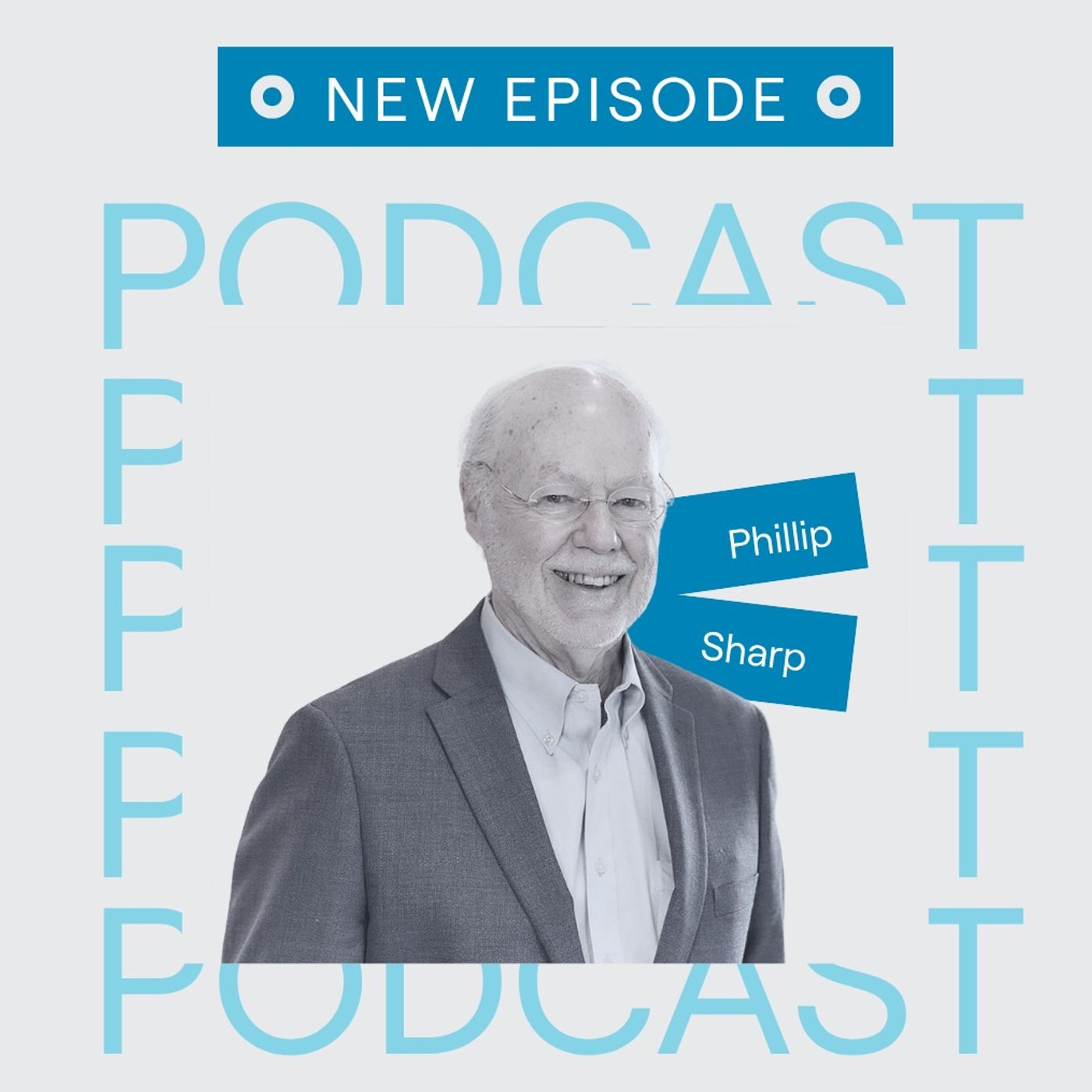
Phillip Sharp advises against scientists speaking down to the public from a position of authority. Instead of claiming to have "the truth," he recommends engaging directly and humbly to help people understand the science and make their own informed decisions.
Related Insights
For Dr. Plotkin, leadership is not about projecting expertise but about intellectual humility. He stresses that true leaders must continuously learn, acknowledge they don't have all the answers, and be willing to change their opinions based on new information and evidence.

Howard Marks argues that declaring uncertainty is a sign of strength, not weakness. In important settings, saying "I don't know" signals that your ego is in check and thinking is robust. It makes people trust you more, not less, because it shows intellectual humility.

Instead of pretending to know more than they do, journalists can unlock far deeper stories by being direct with sources, saying, 'I don't know much about this, please explain it to me.' This approach works particularly well with the smartest experts.

Scientists often fail at persuasion because they operate in an environment where interest is assumed. To communicate effectively with investors, policymakers, or the public, the primary goal is not to explain the data but to first make the audience *care* about the problem. Only then will they be receptive to learning the details.

Contrary to common advice, treating the public like they're in fourth grade sounds condescending. A better approach is to explain the assumptions behind your conclusions. This empowers the audience and builds credibility, especially when scientific understanding evolves, as it does during a pandemic.

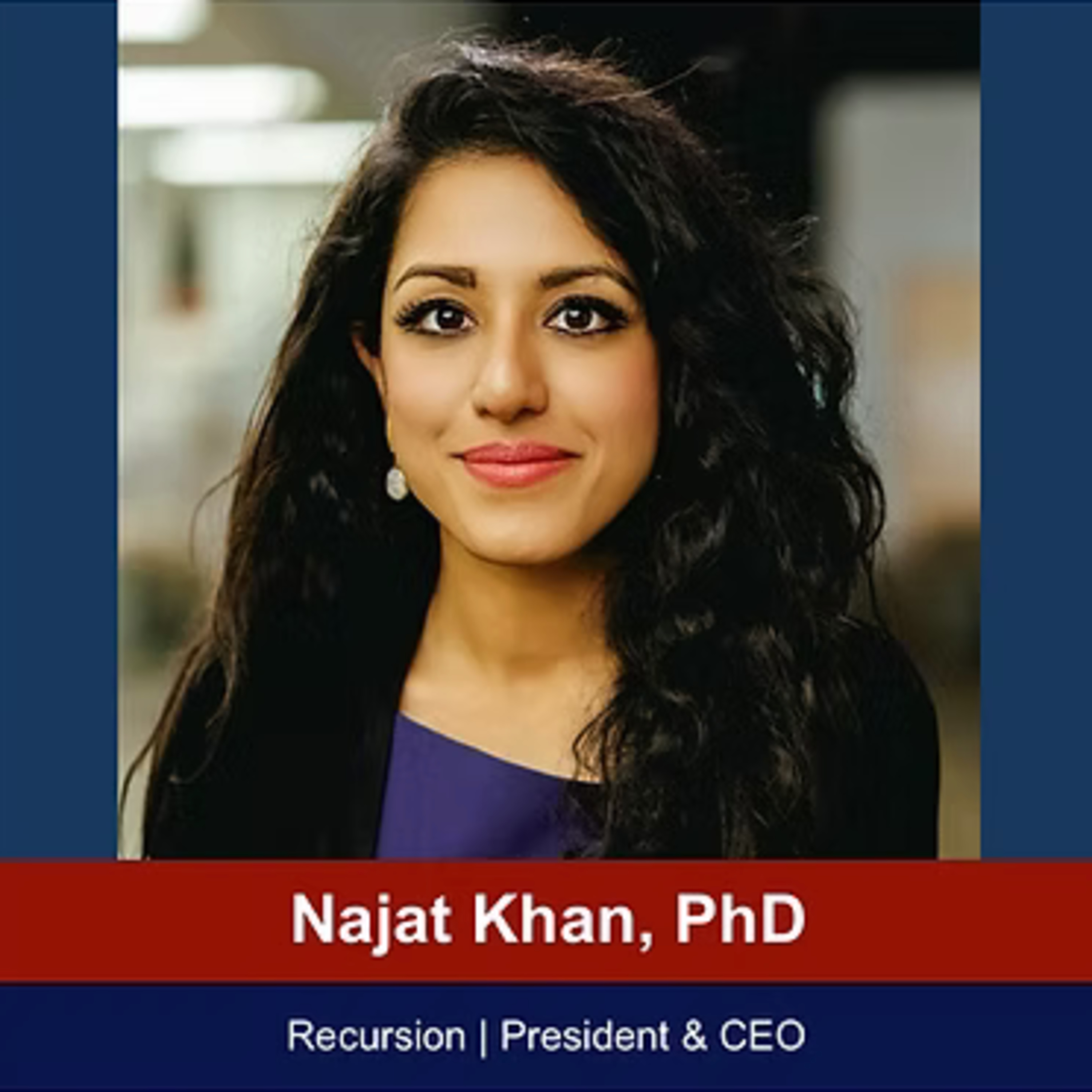
Recursion's CEO suggests communicating biotech's complexity by framing it as exploring a system we didn't design, unlike engineering. This humility-based analogy helps manage public expectations and explains the industry's long, non-linear timelines, fostering trust by highlighting the immense difficulty of decoding biology.
In a crisis, the public knows no one has all the answers. Attempting to project absolute certainty backfires. A more effective strategy is "confident humility": transparently sharing information gaps and explaining that plans will evolve as new data emerges, which builds credibility.

Experts lose public trust not only from being wrong, but from being 'dangerously out of touch.' Their use of cold, impersonal jargon like 'transition costs' to describe devastating life events like job loss displays a lack of empathy, making their advice seem disconnected from human reality and easy to reject.

The public discourse on AI is often skewed by experts who talk down to the public, implying 'you don't understand, let me decide for you.' This approach undermines public agency and trust, creating a barrier to the technology's healthy integration into society, regardless of the leader's intentions.

In an era where experts opine on everything, publicly admitting you lack knowledge on a topic builds immense credibility. It signals intellectual honesty and makes your stated opinions more powerful and trustworthy when you do offer them.
