Get your free personalized podcast brief
We scan new podcasts and send you the top 5 insights daily.
The emergence of quirky museums dedicated to items like paper airplanes and memes points to a broader cultural trait. The act of collecting and displaying is deeply ingrained in Chinese culture, dating back millennia to practices like creating grave goods and the Terracotta Army, and now manifests in modern forms.
Related Insights
What appears as a quirky hobby can be deeply rooted in a person's life story. For guest Jeremy Byars, collecting Superman memorabilia was a source of stability and hope during a difficult childhood. This illustrates that personal passions are often profound identity anchors, not frivolous interests.

The secret Chinese women's language of Nushu, born from feudal suffering, has been commercialized into a tourist attraction. Its last natural speaker worried that this transformation, complete with museums and misspelled merchandise, has erased its original purpose as a raw outlet for pain, replacing it with bland, commercialized versions.

A growing meme suggests China is becoming "hot" and "in," capturing the Western imagination with its futuristic cities and unique online culture. This cultural shift, amplified by influencers, positions China as a new center of gravity for trends, potentially supplanting the long-held cultural influence of Japan and Korea.

The global Pokémon phenomenon originated from its creator Satoshi Tajiri's childhood obsession with insect collecting. As urbanization destroyed the natural habitats he explored, he designed Pokémon to allow a new generation to experience the thrill of collecting creatures in a digital world, preserving a personal experience lost to progress.

A cultural shift is turning collectibles like Pokémon cards and sports memorabilia into a legitimate art-like asset class. For younger generations, owning a rare Charizard card holds the same investment and cultural weight as a traditional art piece did for previous generations.

Collectibles are on the verge of becoming a major cultural pillar on par with music, sports, or fashion. Social media fuels this by enabling sharing and community-building, turning personal collections into a form of expression and an alternative investment class.
Collectibles have evolved beyond niche hobbies into a mainstream communication tool, similar to fashion or luxury cars. Consumers use them to signal identity, tribal affiliation, and status. Brands can leverage this behavior to build deeper connections and create a sense of community.
While China's property collapse cratered its art market, a future recovery may be driven by tech billionaires becoming patrons. This shift from speculative property magnates to potentially more stable, genuine collectors could create a healthier, albeit different, market dynamic, breaking the previous link between art and real estate.
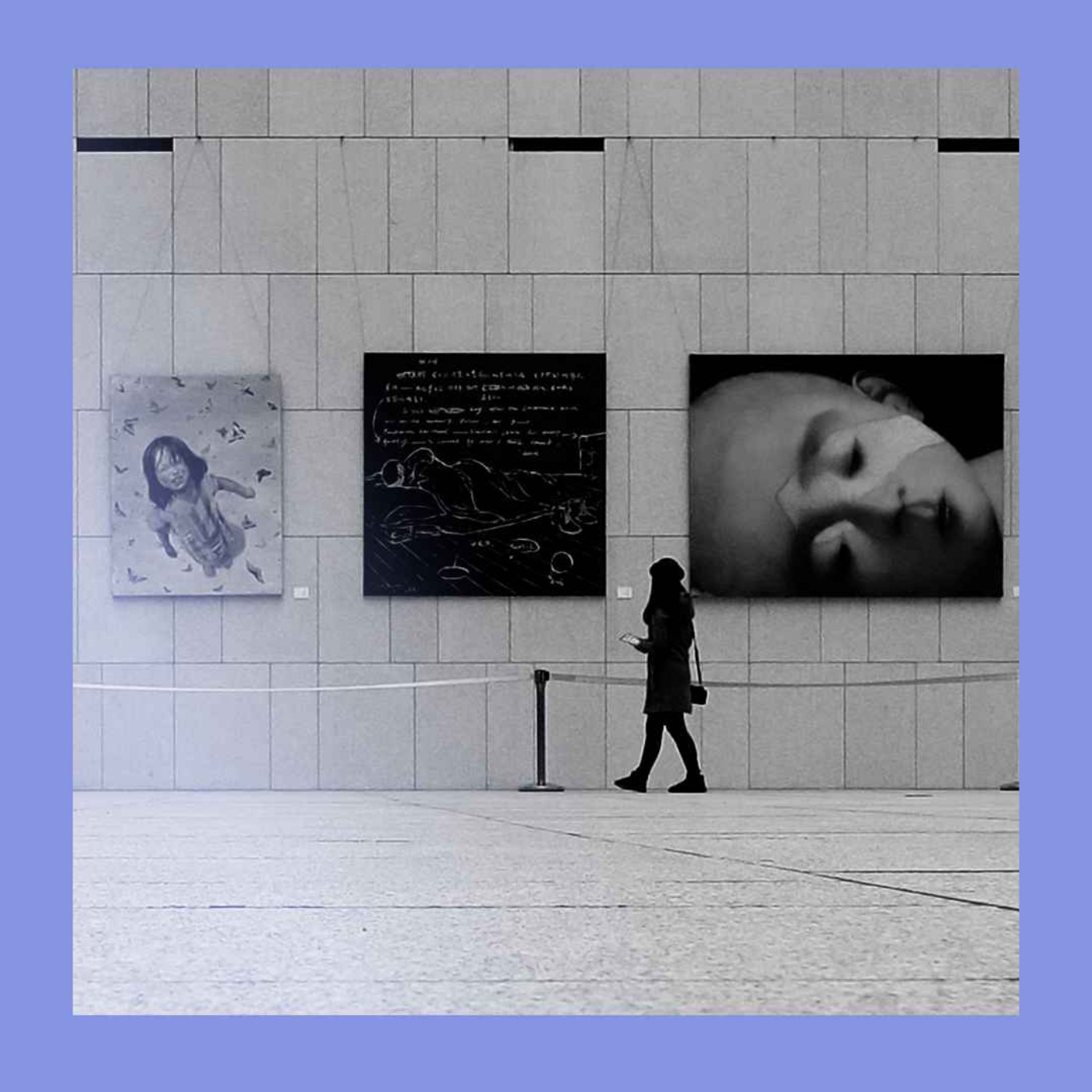
The rapid expansion of museums in China is not just a cultural phenomenon but a calculated government effort. This strategy aims to shape national identity, control historical storytelling, stimulate tourism, and project a curated image of China's heritage and power to a global audience.
Without a central institution like a 'Smithsonian of License Plates,' the physical history of their design and evolution is preserved primarily in the private collections of hobbyists. These amateurs act as de facto archivists for a niche but revealing slice of American material culture that official institutions often overlook.
