Get your free personalized podcast brief
We scan new podcasts and send you the top 5 insights daily.
Jay Leno's teacher identified his classroom joking as a potential writing talent, not a flaw. This reframing of a perceived negative behavior into a positive skill was pivotal for his career path, showing how mentorship can redirect energy productively.

Related Insights
Leaders often mistake performance-limiting behaviors for inherent personality flaws. These "blockers" are actually learned beliefs—narratives we tell ourselves. This is crucial because beliefs, unlike traits, can be identified and reframed, unlocking new levels of effectiveness without changing who you are.
Effective coaching requires a two-step process. First, directly confront an individual's flaws ('poke the zit'). Then, immediately reframe their negative self-perception by explaining they are 'hurt,' not broken. This prevents them from spiraling into self-loathing and opens them to change, turning a harsh truth into a constructive catalyst.

Leno believes his "low self-esteem" is a professional advantage. By assuming he's not the smartest person in the room, he remains open to expert advice and empowers his team, fostering a culture where anyone can voice concerns for a better final product.
The speaker views his lack of natural academic talent as a "superpower." This self-awareness forced him to abandon competing on raw intelligence and instead develop a more robust system of consistency and accountability, which ultimately proved more effective for long-term success.

Factory AI's CEO reveals his decade-long pursuit of physics began as an act of defiance against his eighth-grade geometry teacher who said he should retake the class. This highlights how unconventional, even negative, feedback can fuel immense ambition and long-term dedication.

When confronting a high-performing but abrasive employee, don't just criticize. Frame the conversation around their career. Offer a choice: remain a great individual contributor, or learn the interpersonal skills needed for a broader leadership role, with your help.

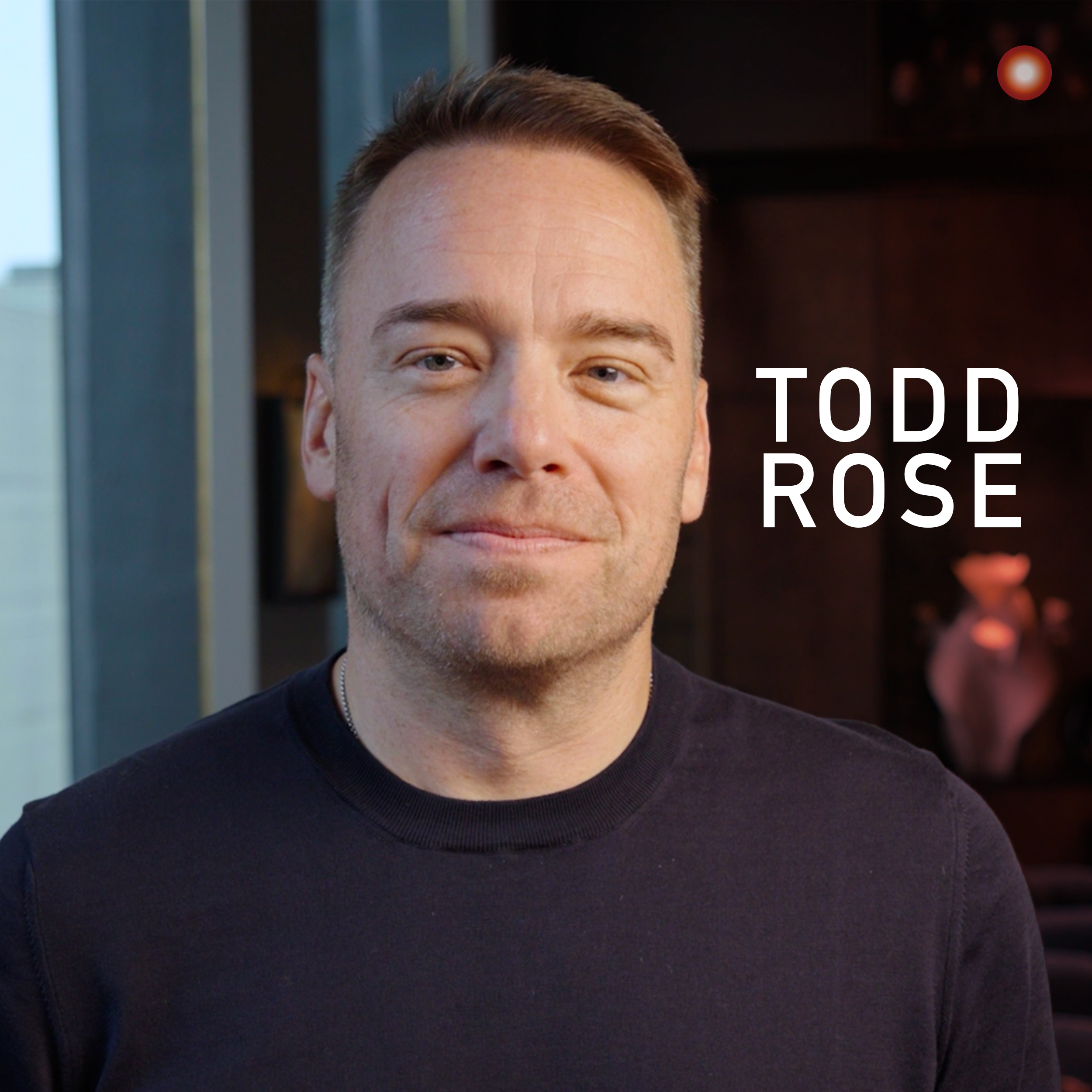
A secretary's simple encouragement, "Don't take no for an answer," changed the entire trajectory of Todd Rose's life after a university director rejected him. This highlights that transformative guidance often comes from unexpected people, not from formally designated mentors.
Feeling inferior to prodigious peers, Rahman's musical ability was forged through relentless work. A key factor was a mentor who intentionally played with mistakes to boost the young Rahman's confidence, proving that clever mentorship can be more effective than raw talent.

Hired as a program manager at Microsoft, Elon Lee was failing. His boss recognized his design aptitude and moved him to a new role, stating, "You're one of the worst program managers I've ever seen, but I think you might be a good designer." This highlights the value of seeing potential beyond a current job description to retain talent.

Borrowing from filmmaking, view communication slip-ups not as failures but as different "takes." This reframes errors as opportunities to try a different approach next time, reducing fear and encouraging experimentation and growth.