Get your free personalized podcast brief
We scan new podcasts and send you the top 5 insights daily.
The primary value of experiencing other cultures is not merely learning their methods, but realizing that your own ingrained way of doing things is not the only way. This insight liberates you from preconceived notions, allowing you to consciously choose a better approach.

Related Insights
An effective creative process embraces dualities rather than viewing them as mutually exclusive choices. A creator must learn to be both destructive and constructive, reverent and casual, messy and organized. Your unique style is defined by how you strike a balance between these conflicting forces.

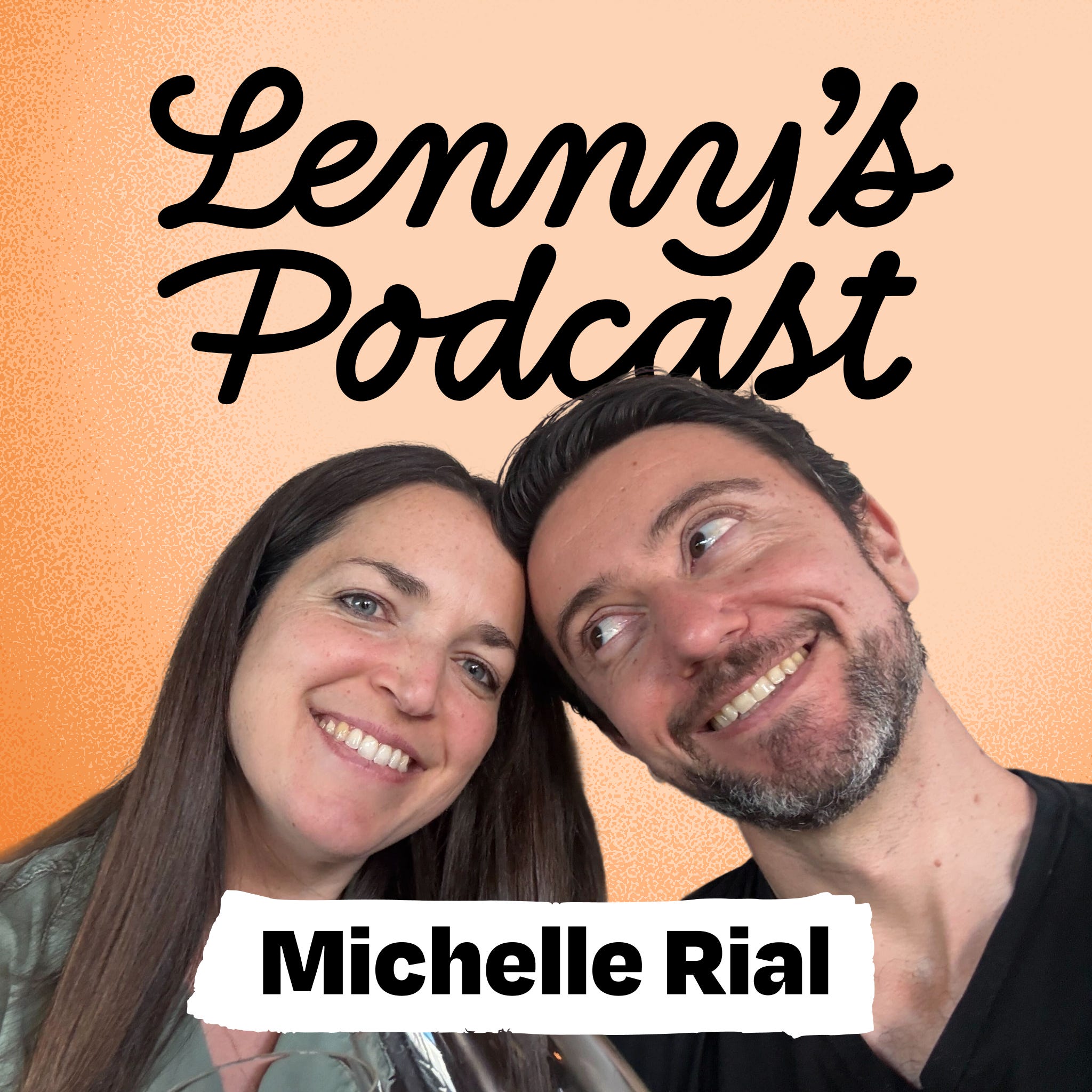
Artist Michelle Rial finds her creativity dries up when she focuses too hard on producing work. Her best ideas emerge from living life, observing the world, and processing her experiences. Creativity requires input from real life, not just scheduled output.
Beliefs are not objective facts; they are convictions that can be updated. We should evaluate them based on their usefulness, not their absolute truth. This mindset allows you to collect a "portfolio of perspectives" and choose the one that best serves your goals in any given situation, liberating you from limiting mindsets.

Contrary to being restrictive, journaling prompts can be liberating. They challenge you to explore topics and perspectives you wouldn't naturally gravitate towards, twisting your mind “out of its usual ruts.” Even writing about your resistance to a prompt can yield surprising insights.

Art is a mechanism for changing perception. It often makes audiences uncomfortable at first by introducing a novel idea or form. Over time, great art guides people from that initial discomfort to a new state of understanding, fundamentally altering how they see the world.

We wrongly believe the mind is meant to run our lives through strategy and logic. Its higher purpose is to serve our creative unfoldment by focusing awareness where it matters most for our evolution. It's a tool for remembering who we truly are, not just for overthinking problems.

The most crucial part of creativity is letting ideas "simmer" in the unconscious. After gathering information, step away from the problem completely. Engage in unrelated activities. This allows your mind to make novel connections you can't force through active thought.

The primary obstacle to generating content is the limiting belief that ideas are finite. By adopting an abundance mindset—the conviction that ideas are infinite—you create a self-fulfilling prophecy that keeps your creative channels open, ensuring new concepts continuously flow.

Improving imagination is less like a painter adding to a blank canvas and more like a sculptor removing material. The primary task is to forget expected answers and consensus reality. This subtractive process uncovers the truly novel ideas that are otherwise obscured by convention.
![Kevin Kelly - Be Generous and Unique - [Invest Like the Best, CLASSICS] thumbnail](https://megaphone.imgix.net/podcasts/9e957b1c-b60e-11f0-8fae-c3720ebd149d/image/fe443cb4b0d58f10dbccb1cf43a6abe2.jpg?ixlib=rails-4.3.1&max-w=3000&max-h=3000&fit=crop&auto=format,compress)
Curiosity is an action, not just a mindset. Citing designer Issey Miyake, the speaker advises deliberately spending time with foreign concepts, people, and environments. True innovation comes from expanding your horizons beyond familiar patterns, not just passively claiming to be curious.
![What is Marketing? Part 2: Marketing is Poetry with Kory Marchisotto [Uncensored Renegades] thumbnail](https://img.transistorcdn.com/VIH3Rn5ET8-eHQxgBGNydnhXL95pc10_Kq7qTpjezuc/rs:fill:0:0:1/w:1400/h:1400/q:60/mb:500000/aHR0cHM6Ly9pbWct/dXBsb2FkLXByb2R1/Y3Rpb24udHJhbnNp/c3Rvci5mbS9zaG93/LzQ3MzEvMTU3MDAz/MjQ3NC1hcnR3b3Jr/LmpwZw.jpg)