Get your free personalized podcast brief
We scan new podcasts and send you the top 5 insights daily.
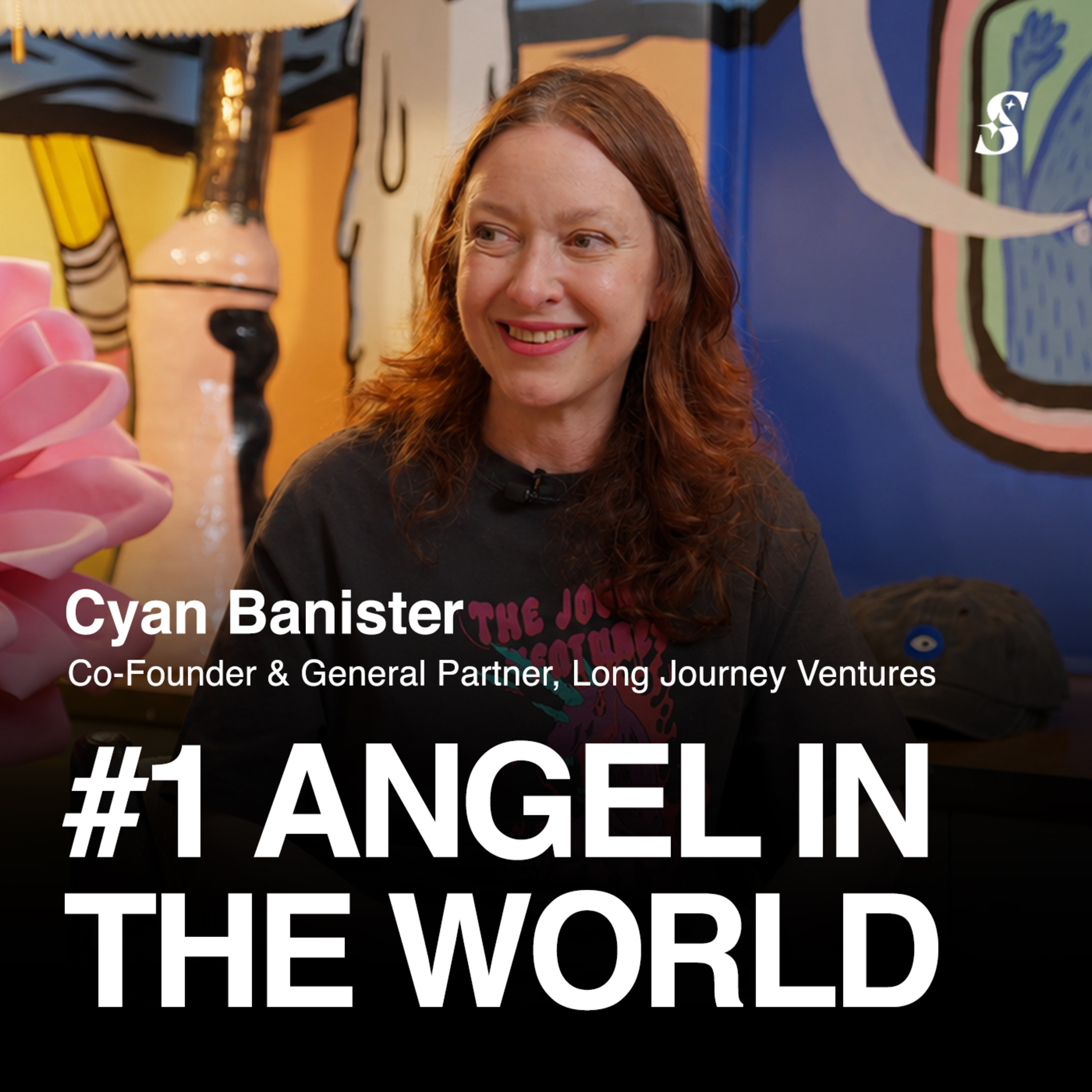
Cyan Banister rejects excuses for behavior based on fixed traits (e.g., "I'm a Scorpio"). She argues you can surgically alter your personality through deep introspection, consciously closing the gap between your stated values and your actual actions.
Related Insights
Willpower is a temporary fix for fighting your nature. The real solution, as shown in psychotherapy, is to fundamentally alter underlying tendencies. Once a negative tendency like narcissism is changed, willpower is no longer needed to suppress it, freeing up cognitive resources.

Leaders often mistake performance-limiting behaviors for inherent personality flaws. These "blockers" are actually learned beliefs—narratives we tell ourselves. This is crucial because beliefs, unlike traits, can be identified and reframed, unlocking new levels of effectiveness without changing who you are.
View yourself not as a static entity with fixed traits, but as an ever-evolving process. This shift in perspective, suggested by political scientist J. Eric Oliver, allows for growth and change, freeing you from the illusion that you are "stuck" in your current state.

Attempts to change behavior are unsustainable if your core identity remains the same. Your brain will always revert to actions that align with its perceived identity. Therefore, you must first change who you believe you are before new habits will stick.
The concept of a static, singular self is an illusion. We are a collection of ever-changing processes. This reframes personal struggles not as character flaws ("I'm broken") but as misaligned processes that can be adjusted and improved over time.

Success isn't about conforming but about identifying and leveraging what makes you unique. This requires the developed skill of introspection—tuning out distractions to understand your passions and aversions. This self-awareness is the foundation for building a fulfilling life and career.

A significant portion of what we consider our 'personality' is actually a collection of adaptive behaviors developed to feel loved and accepted. When you learn to generate that feeling internally, for instance through meditation, many of these compensatory traits can dissolve, revealing they were not your core identity.

Citing Tony Robbins' transformation, the insight is that powerful personas aren't born, they're consciously created. You can decide on the identity you need to achieve your goals and then build it piece by piece. This act of self-creation is a deliberate choice, not a matter of luck or innate talent.

Our values and beliefs act like software programming, shaping our perception of reality. By consciously changing this 'programming,' we can alter our emotional responses and behaviors, reframing perceived problems into solvable challenges. This internal shift is the key to achieving different outcomes in life.

We often attribute our failure to change to fixed character traits like being "lazy" or "undisciplined." Reframing the ability to change as a learnable skill, like any other, provides a path to improvement and moves away from self-defeating labels.
