Get your free personalized podcast brief
We scan new podcasts and send you the top 5 insights daily.
Instead of being intimidated by a competitor who raised $220M, Wash Dry Fold POS views them as a net positive. The competitor's massive marketing spend educates the entire market, creating solution-aware customers who then seek alternatives, often finding the bootstrapped, more focused option.

Related Insights
Bootstrapped founders should focus on markets where customers are already aware they have a problem and a solution might exist. Entering a low-awareness market forces you to spend immense resources educating prospects that they even have a problem. This is a brutal, uphill battle that rarely succeeds without significant venture funding.
Many aspiring entrepreneurs are deterred when they find out their idea 'already exists.' This is the wrong mindset. A successful competitor is the ultimate market validation, proving that customers will pay for a solution and that the market is large enough for multiple players.

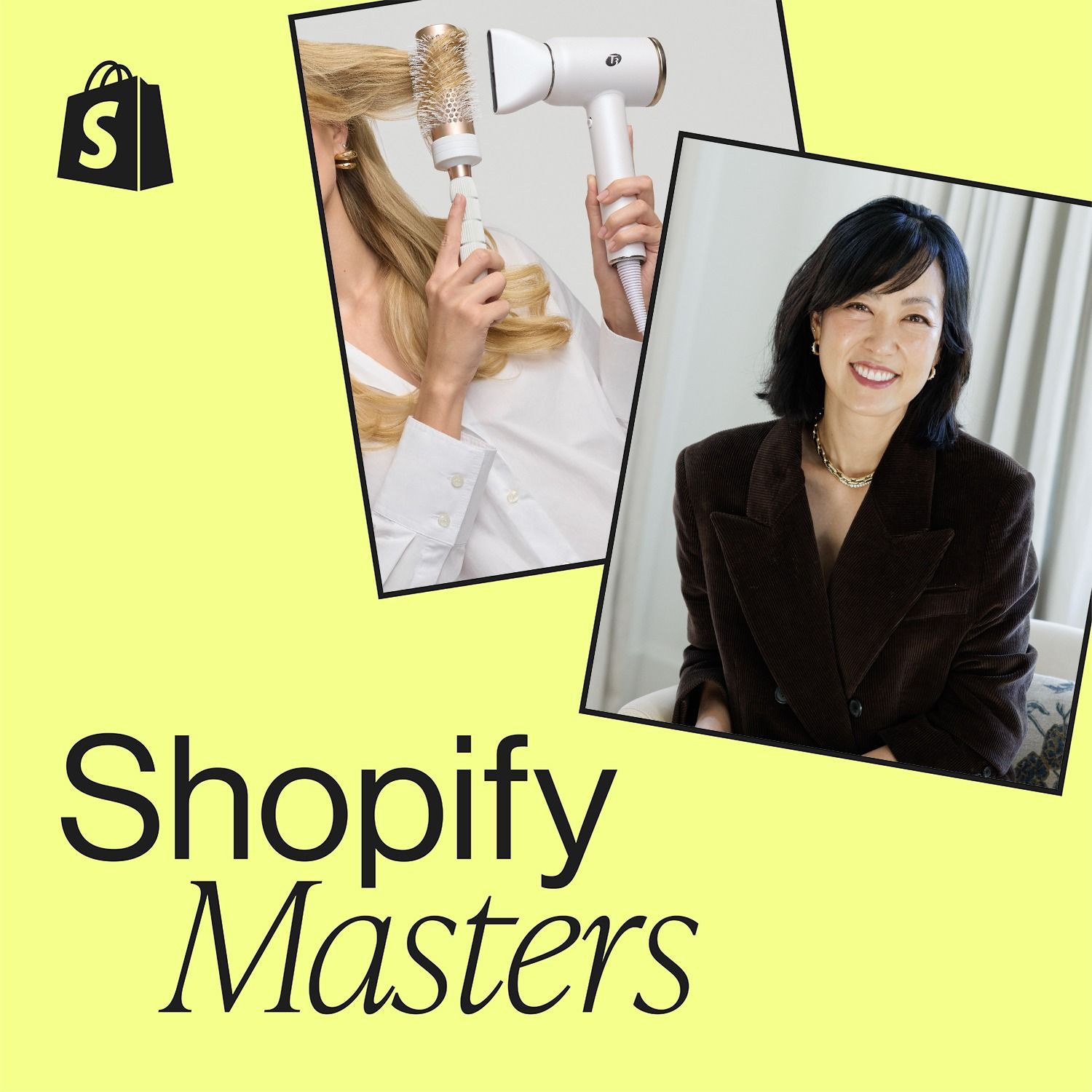
When large appliance companies like Dyson entered the premium hair tool market, T3 was initially intimidated. However, their massive marketing budgets raised overall category awareness and normalized higher price points. This repositioned T3 as an 'affordable luxury' and ultimately boosted their business, demonstrating that new competition can grow the pie for everyone.
While many founders fear competitors, Michael Dubin views them as beneficial. He argues that rivals forced Dollar Shave Club to sharpen its brand identity and focus on its unique strengths. Competition validates the market opportunity and pushes the incumbent to work harder and be more specific about its value.

By avoiding VC funding, ButcherBox was forced to acquire customers profitably from their first purchase. This constraint led them to a sustainable influencer affiliate model with recurring payouts, a stark contrast to the cash-burning Facebook ads common among their funded competitors.

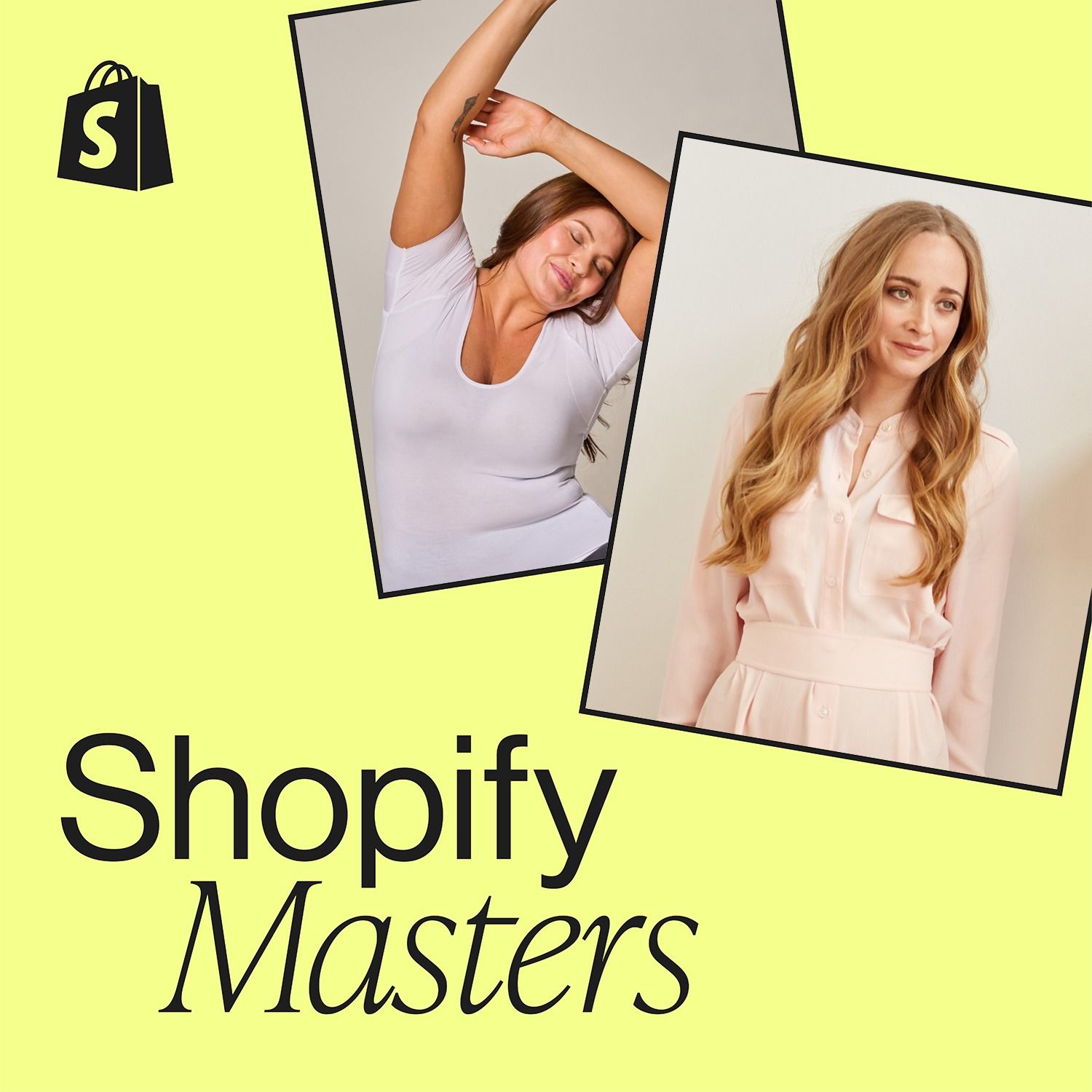
For Numi's novel undershirts, a major challenge was educating the market on the problem and solution. When competitors emerged, they didn't just steal market share; they helped validate the category and shoulder the burden of customer education, ultimately expanding the total addressable market.
Instead of viewing competitors as threats, Koah sees them as beneficial. In a new space like AI advertising, rival companies help educate the market and normalize the business model. Their collective efforts build legitimacy faster than a single company could alone.

Without a marketing budget, Missive created highly detailed "alternative to" landing pages for well-funded competitors like Front. This allowed them to intercept educated buyers and effectively ride the marketing wave created by others' VC dollars to reach their first million in ARR.

Well-funded startups are pressured by investors to target large markets. This strategic constraint allows bootstrapped founders to outmaneuver them by focusing on and dominating a specific niche that is too small for the venture-backed competitor to justify.
For startups competing against well-funded rivals, the key is not to outspend but to out-clarify. Rigorously defining who you are and why you are different creates a powerful brand affinity that money alone cannot buy, building a transactional business into a brand.
