Get your free personalized podcast brief
We scan new podcasts and send you the top 5 insights daily.
For the first 7-8 years, intentionally avoid turning a child's play into a performance (e.g., ballet school for a toddler who likes to dance). This focus on pure play, rather than regimented achievement, protects their natural development and connection to their body.

Related Insights
By delaying formal competition and results until age 12, Norway keeps more children engaged in sports for longer. This strategy of prioritizing participation and fun over early talent identification ultimately yields a larger, more diverse pool of potential elite athletes for the small nation.

To maximize brain-changing benefits, prioritize play with novel, non-linear movements (e.g., dance) or games requiring multiple cognitive roles (e.g., chess). These activities uniquely engage the vestibular system and prefrontal cortex, opening the most powerful portals for neuroplasticity and learning.

Constantly saying "good job" trains children to seek external validation. Instead, ask curiosity-driven questions about their process ("What made you pick red there?"). This helps them develop their own internal sense of accomplishment and builds confidence, a crucial skill for adulthood.

Research shows children engage in more complex, "authentic communication" when playing with peers because they are constantly negotiating and problem-solving. In contrast, adult-child interactions are often didactic and less challenging, stunting the development of sophisticated language skills.
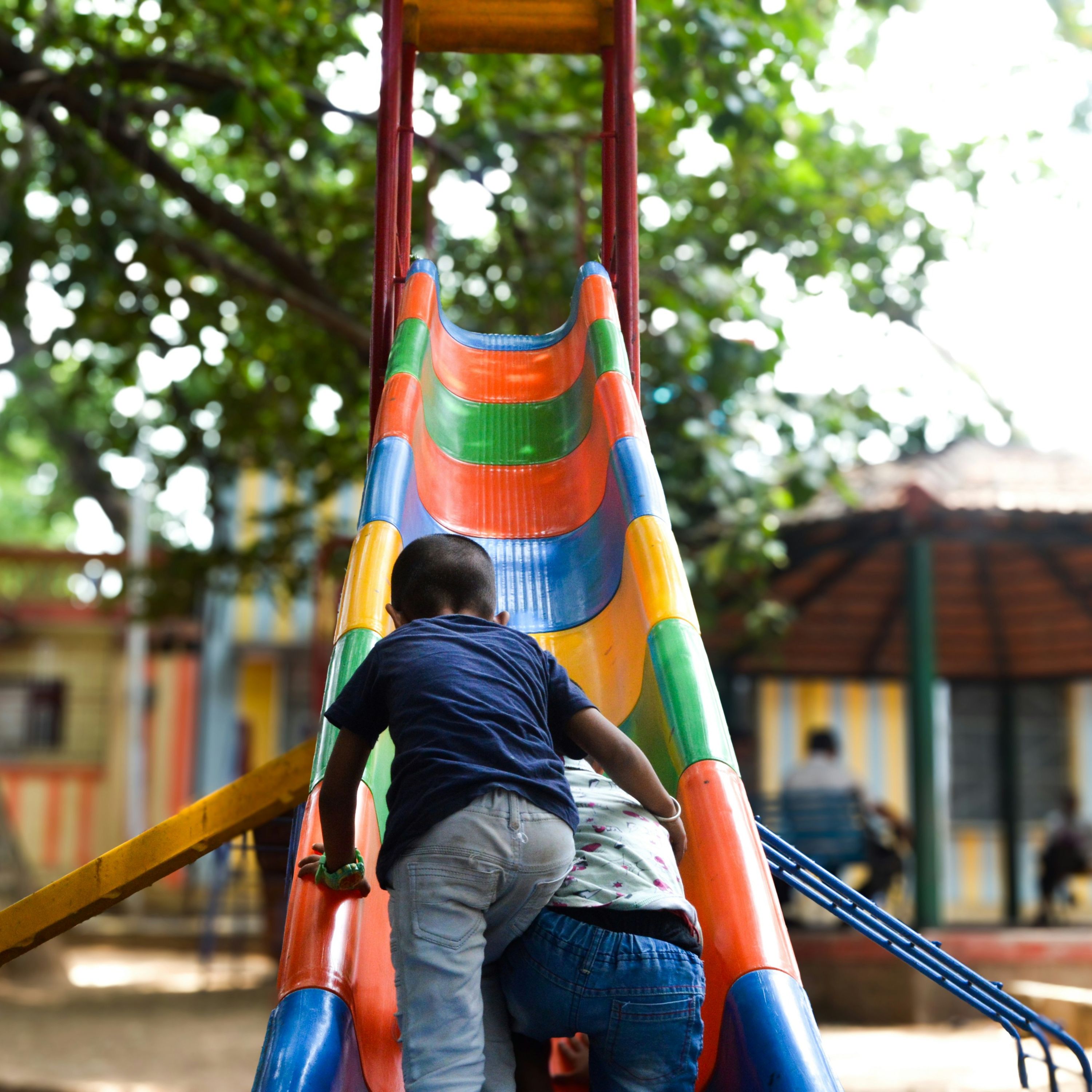
By not playing organized tackle football until 7th grade, Colt McCoy's anticipation and excitement for his first game were immense. This delay prevented the burnout common among children who start specialized sports early, making the experience more meaningful and cementing his love for the game.

Parents should praise effort, but not shield children from failure. Allowing kids to experience the natural disappointment of losing teaches resilience and prevents praise from creating delusion. Disappointment is the key ingredient that grounds effort in reality.

When adults intervene in children's unstructured play to "teach" them the "right" way to do things, they often strip the activity of its imaginative joy and engagement. This transforms a creative game into a boring, adult-led lesson, diminishing learning and happiness.
Unlike organized activities with fixed rules, unstructured play forces children to invent, negotiate, and adapt rules themselves. This teaches them that rules are not sacrosanct but are mutable agreements created to facilitate fun and fairness for the group.
Parents must consciously decide their core philosophy: are they raising a child valued for their existence or for their accomplishments? A "human doing" approach turns every interest into a performance, tying the child's worth to external validation and achievement.
To develop a child's patience and ability to manage expectations, a parent can strategically delay fulfilling their requests. This real-world version of the famous "marshmallow test" trains the skill of delayed gratification, which is linked to long-term success and self-control.
