Get your free personalized podcast brief
We scan new podcasts and send you the top 5 insights daily.
Unlike the prevailing asset-light marketplace trend, Carvana's vertically integrated model (owning inventory, logistics, financing) was unpopular with VCs. This mismatch forced them to seek capital from public markets much earlier than typical startups, finding better reception with "New York-style" investors.

Related Insights
A key difference from US analogs is Auto1's lack of dependence on subprime financing due to stricter European regulations. This fundamentally de-risks its business model compared to Carvana, where subprime lending is a major profit driver but also a source of significant credit risk.
![Auto1: EU-sed Car Marketplace - [Business Breakdowns, EP.246] thumbnail](https://megaphone.imgix.net/podcasts/5a391928-ccce-11ed-863b-7bdbc773faf2/image/55364bb6a294c4be08365a4dccb94c73.jpg?ixlib=rails-4.3.1&max-w=3000&max-h=3000&fit=crop&auto=format,compress)
Co-founder Travis Kalanick pivoted Uber away from founder Garrett Camp's original, capital-intensive idea of buying a fleet of Mercedes. This critical shift to an asset-light platform model, connecting existing drivers with riders, was crucial for rapid, low-cost scalability.

Crossover rounds weren't a natural evolution. New Leaf Venture Partners created them out of necessity. After being denied significant allocations in hot biotech IPOs, they started investing privately just before the public offering to guarantee their participation and secure a larger stake.

Paralleling Amazon versus eBay, Auto1's vertically integrated model—buying cars, operating logistics, and refurbishment—creates a durable advantage. This operational complexity is a high barrier to entry for asset-light classifieds models that only solve for discovery, not the entire transaction.
The traditional purpose of an IPO—raising capital for company growth—is obsolete. Today, companies scale using private equity and only go public to allow early investors and insiders to cash out. This means the public market captures significantly less of a company's early, high-growth phase.
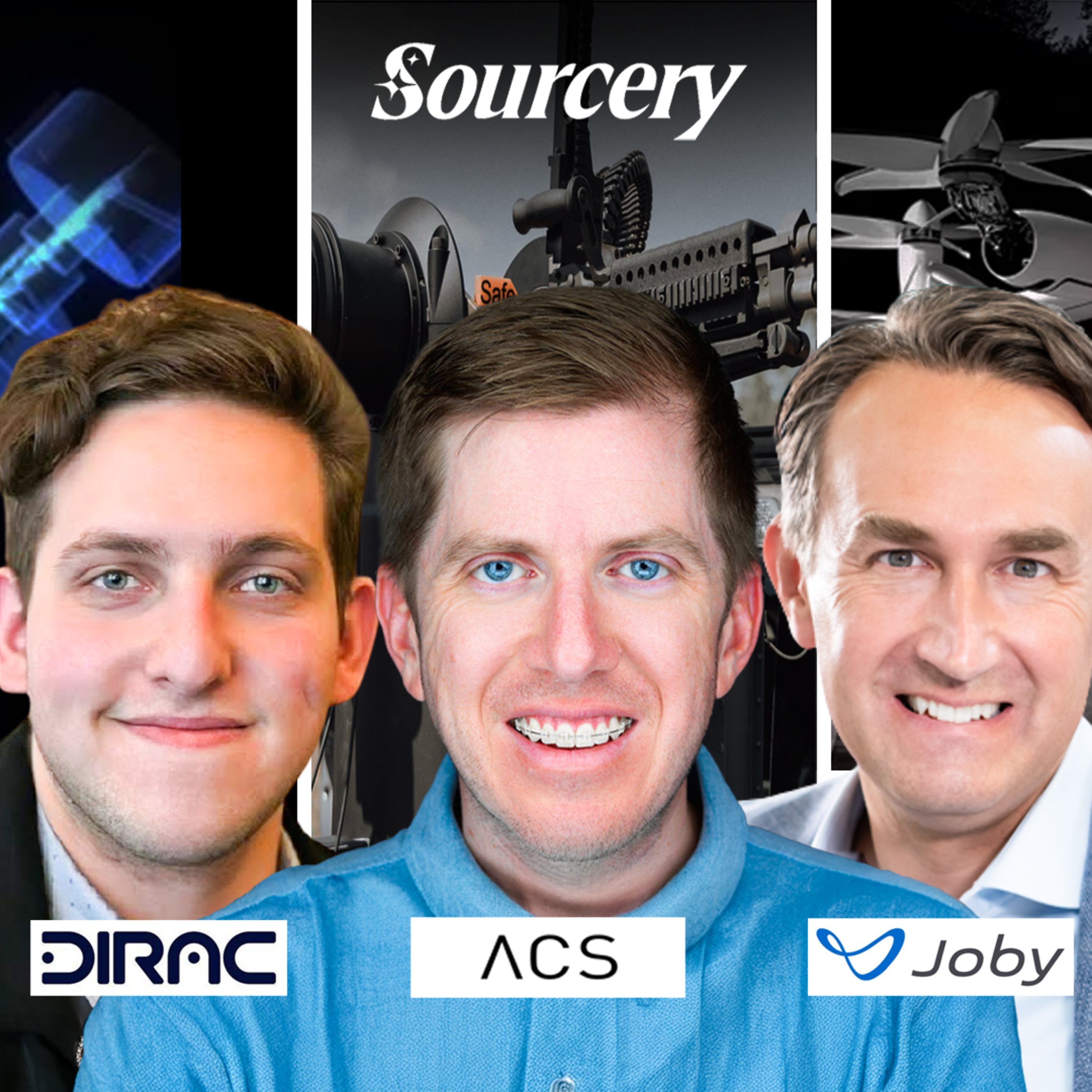
Joby's business is extremely capital-intensive because they are vertically integrated 'down' to manufacturing components and 'up' to the customer-facing software. They strategically chose to go public early to secure the massive capital required to fund this full-stack approach, which includes commercial partnerships with Uber and Delta.
By buying cars and holding them on its balance sheet, AUTO1 contradicts the asset-light tech trend. This capital-intensive approach enables vertical integration and builds a formidable moat that asset-light classifieds platforms cannot easily overcome, leading to long-term defensibility as competitors fail.

Public markets favor asset-light models, creating a void for capital-intensive businesses. Private credit fills this gap with an "asset capture" model where they either receive high returns or seize valuable underlying assets upon default, securing a win either way.

Unlike Carvana, which derives half its gross profit from subprime auto loans, AUTO1 operates in a safer credit environment. The European auto finance market is only 2-3% subprime, compared to 15-20% in the US. This regulatory and cultural difference makes its lending arm inherently lower-risk.
The abundance of private capital means the most successful companies no longer need to go public for growth funding. This disrupts the traditional VC model, where IPOs are a primary exit path, forcing firms to re-evaluate how and when they achieve liquidity for their limited partners, even for their best assets.
