Get your free personalized podcast brief
We scan new podcasts and send you the top 5 insights daily.
By buying cars and holding them on its balance sheet, AUTO1 contradicts the asset-light tech trend. This capital-intensive approach enables vertical integration and builds a formidable moat that asset-light classifieds platforms cannot easily overcome, leading to long-term defensibility as competitors fail.

Related Insights
Auto1's business model represents a strategic "counterposition." For an asset-light, high-margin classifieds business to compete, it would have to adopt a balance-sheet-intensive, lower-margin model. This transition is economically difficult to justify, creating a natural barrier protecting Auto1's market.
![Auto1: EU-sed Car Marketplace - [Business Breakdowns, EP.246] thumbnail](https://megaphone.imgix.net/podcasts/5a391928-ccce-11ed-863b-7bdbc773faf2/image/55364bb6a294c4be08365a4dccb94c73.jpg?ixlib=rails-4.3.1&max-w=3000&max-h=3000&fit=crop&auto=format,compress)
Auto1 strategically established a capital-efficient wholesale business to build liquidity and data before launching its consumer retail brand, AutoHero. This sequencing was critical to outlasting competitors like Kazoo, who attempted a direct-to-consumer model first and failed.
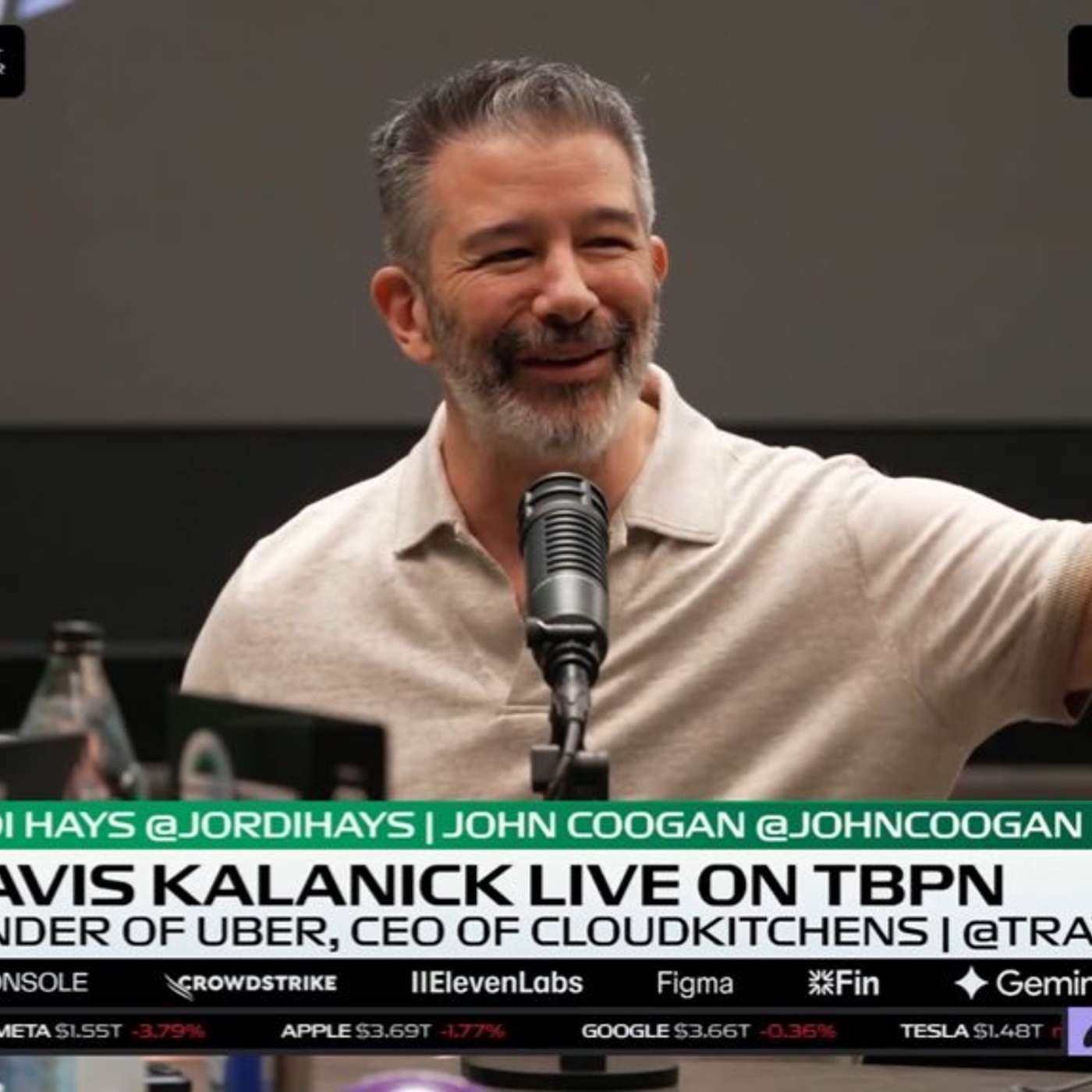
Unlike Uber's network-effect moat, Adams is building defensibility through capital-intensive physical assets. By owning billions of dollars of real estate for its cloud kitchens, it creates a massive barrier to entry that is prohibitively expensive for competitors to replicate, ensuring a durable moat.
The company's core data advantage comes from nearly 6 million actual used car transactions, not just listing data. This proprietary dataset of realized sale prices across 30 countries allows for superior pricing accuracy, risk management, and routing decisions, which becomes a compounding advantage.
Paralleling Amazon versus eBay, Auto1's vertically integrated model—buying cars, operating logistics, and refurbishment—creates a durable advantage. This operational complexity is a high barrier to entry for asset-light classifieds models that only solve for discovery, not the entire transaction.
While low-capex businesses are easy to start, businesses requiring significant capital for equipment or technology create a financial barrier to entry. This reduces competition, allowing for more pricing power and long-term defensibility once you've achieved success.

Unlike D2C competitors who are primarily marketers that outsource production, Spot & Tango vertically integrated by building its own factory. This contrarian move created a strong competitive moat through proprietary processes, quality control, and supply chain ownership.

Unlike classifieds sites that only see asking prices, AUTO1 knows the exact condition and final sale price of every car it handles. This proprietary dataset of realized prices is inaccessible to competitors and forms a durable moat for its AI pricing engine, which powers 90% of its offers.
AUTO1 sells 60% of its cars across national borders, capitalizing on price discrepancies caused by varying demand (e.g., moving combustion engines from EV-heavy Norway to Germany). This complex, data-driven arbitrage creates a powerful competitive moat that smaller, local dealers cannot replicate.
By combining engine ownership with in-house maintenance, FTAI built a powerful platform. Traditional lessors lack MRO capabilities, while MRO shops lack the capital and asset base to compete. This integrated model creates a significant barrier to entry and a sustainable competitive advantage.
