Get your free personalized podcast brief
We scan new podcasts and send you the top 5 insights daily.
Counterintuitively, 818 Tequila's marketing strategy involves minimizing its association with founder Kendall Jenner. This "whisper" approach, unlike typical loud celebrity branding, helped it defy sobriety trends among Gen Z by allowing the product to build its own authentic brand identity.

Related Insights
Consumers are savvy and can see through a simple name-slap endorsement. To break through, a brand needs a genuine story. Hart emphasizes the importance of answering core questions—"Why did you make it? What's the story? Do you really drink this?"—to build an authentic connection that resonates with customers long-term.
In contrast to its sophisticated Italian brands, Campari allows its tequila brand, Espolon, a distinct personality rooted in irreverence and humor. This "counter-culture" positioning allows it to connect with a different consumer segment and demonstrates strategic brand portfolio differentiation.

Despite high-profile celebrities like Lady Gaga wearing their boots, Red Wing intentionally avoids commercializing it. They provide product to stylists but don't amplify the usage, believing an organic, unforced presence maintains more brand authenticity and long-term value than a paid campaign.
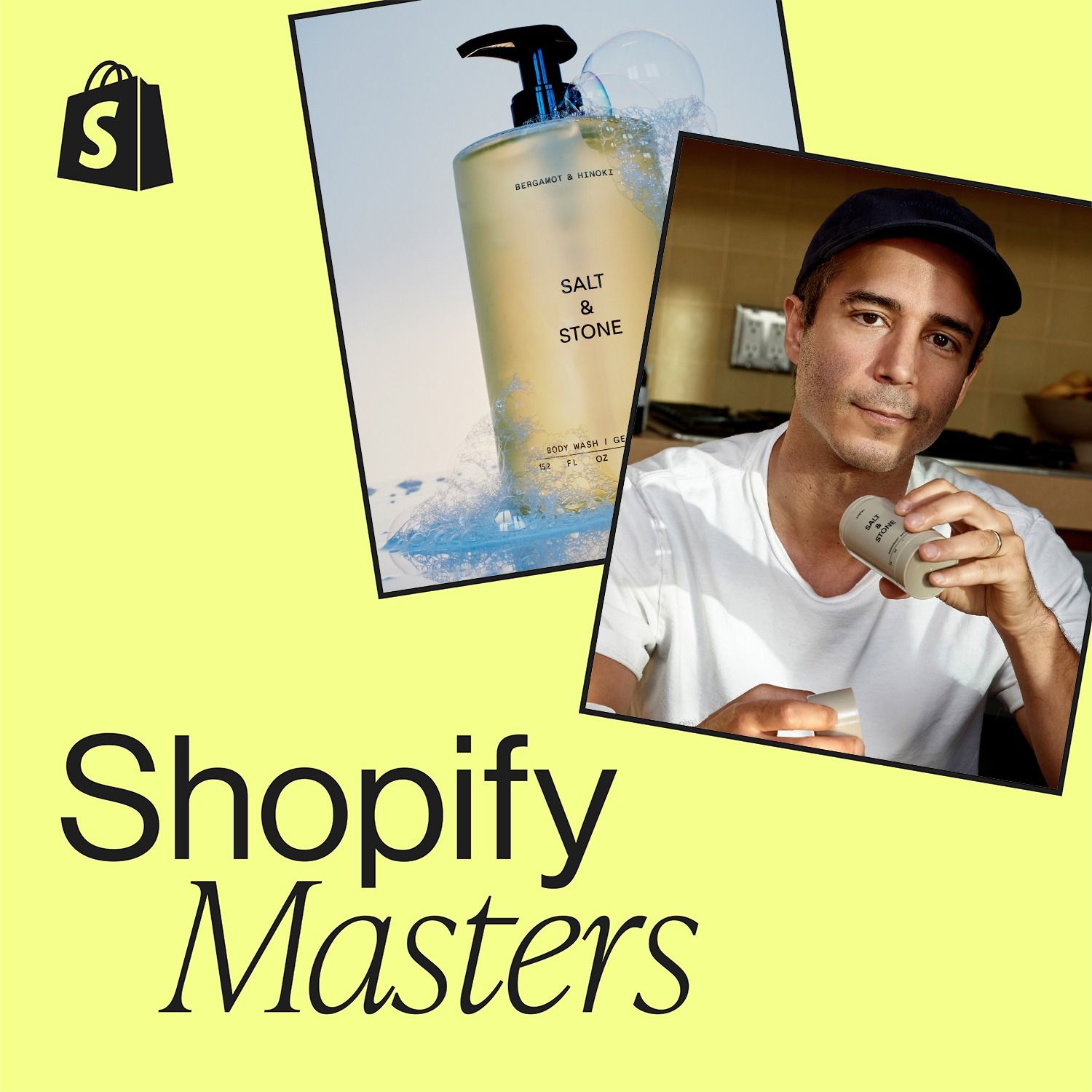
To create a brand that outlasts any individual, founder Nima Jalali avoids making his pro-snowboarder background the central marketing story. He believes a brand’s narrative should be bigger than one person's story to achieve true longevity, comparing it to how Apple markets the iPhone, not Steve Jobs.
Partnering with an influencer provides a massive initial launch advantage and a built-in audience. However, long-term success, like Glossier's, requires building a brand identity and marketing engine that can stand on its own. The influencer is the launchpad, not the entire rocket.

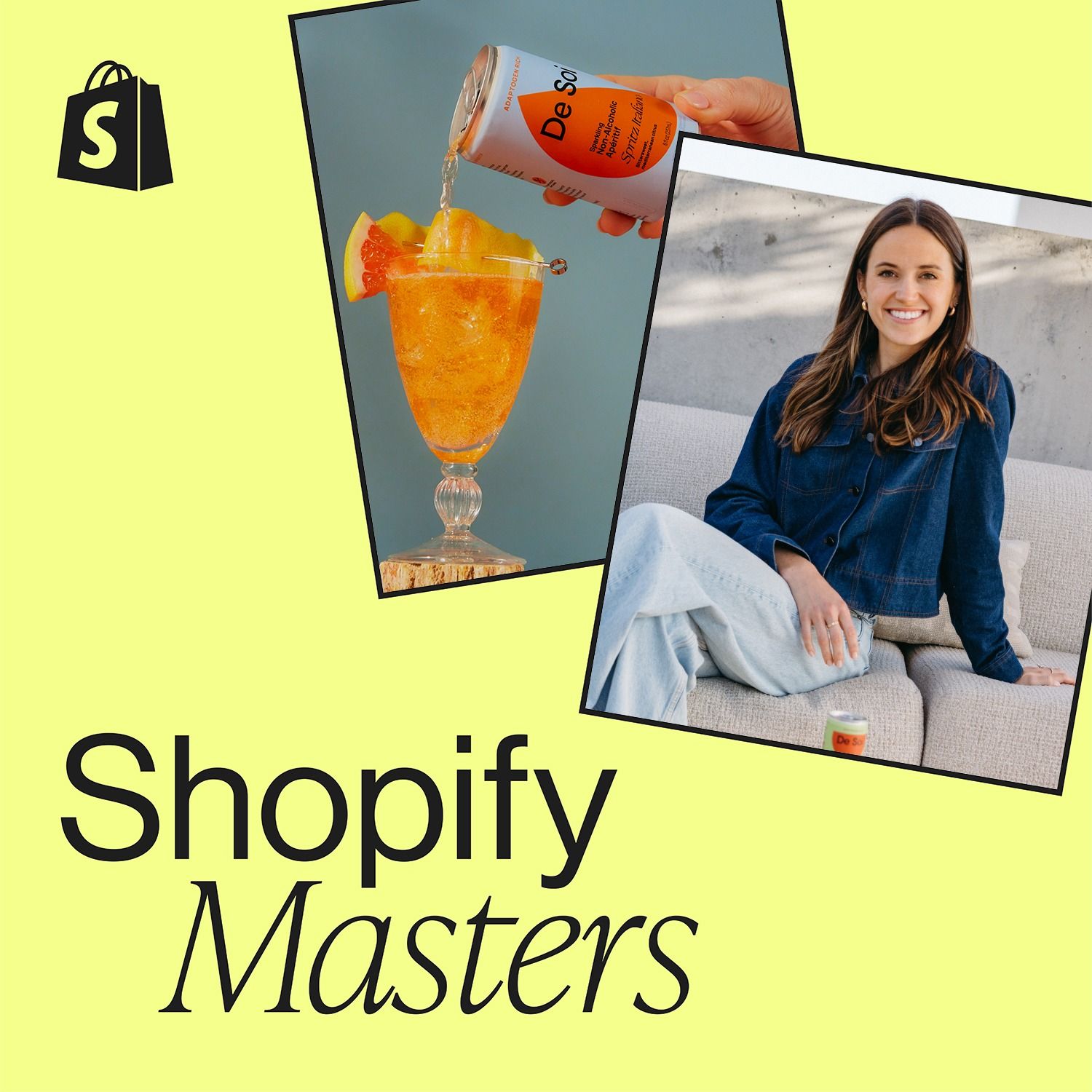
By not featuring co-founder Katy Perry on its cans, De Soi builds an identity separate from its celebrity backer. This creates long-term brand equity and attracts customers who discover the product organically, ensuring loyalty is to the brand itself—a crucial factor for a potential future acquisition.
Olipop only pursues celebrity partnerships after discovering the star is a genuine fan, like when Camila Cabello was repeatedly photographed with the product. The brand then creates "anti-celebrity celebrity ads," featuring the star's real family to ensure the endorsement feels authentic rather than transactional.
The ultimate goal for Give Hugs was for the brand to be bigger than its founder, Lexi Hensler. They achieved this by creating a separate identity and community for the product, to the point where many customers know the brand but not the founder behind it, ensuring its longevity.

The era of simply 'slapping a celebrity face' on a product is over. Modern consumers demand authenticity. Successful brands like Fenty and Rare Beauty thrive because their founders are deeply involved, knowledgeable about the products, and genuinely connected to a larger mission, such as inclusivity or mental health.

Despite his public profile, founder Thomas Robson-Kanu initially remained anonymous, handling customer service and DMs himself. This strategy forced the brand to stand on product quality and customer testimonials alone, building authentic credibility before he attached his personal brand to the company.