Get your free personalized podcast brief
We scan new podcasts and send you the top 5 insights daily.
In design thinking, early prototypes aren't for validating a near-finished product. They are rough, low-cost "artifacts" (like bedsheets for walls) designed to help stakeholders vividly pre-experience a new reality. This generates more accurate feedback and invites interaction before significant investment.
Related Insights
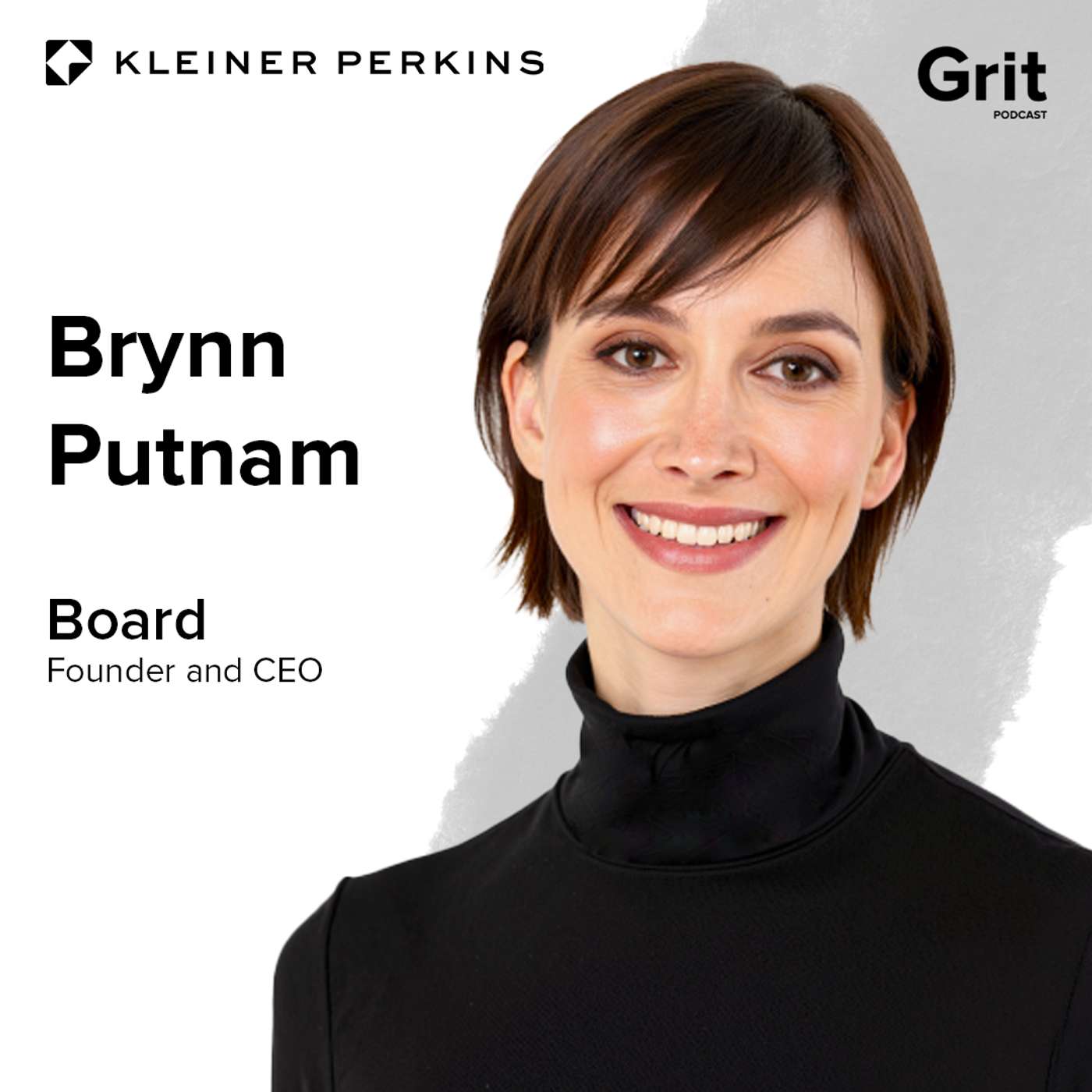
When developing the novel Mirror concept, Bryn Putnam found that early customer surveys and "ugly" mockups yielded universally negative feedback. She learned to trust her gut, recognizing that consumers often can't envision a truly new experience until it's tangible and polished.
Instead of guarding prototypes, build a library of high-fidelity, interactive demos and give sales and customer success teams free reign to show them to customers. This democratizes the feedback process, accelerates validation, and eliminates the engineering burden of creating one-off sales demos.

The goal of early validation is not to confirm your genius, but to risk being proven wrong before committing resources. Negative feedback is a valuable outcome that prevents building the wrong product. It often reveals that the real opportunity is "a degree to the left" of the original idea.

Validate business ideas by creating a fake prototype or wireframe and selling it to customers first. This confirms demand and secures revenue before you invest time and money into development, which the speaker identifies as the hardest part of validation.

Product teams often use placeholder text and duplicate UI components, but users don't provide good feedback on unrealistic designs. A prototype with authentic, varied content—even if the UI is simpler—will elicit far more valuable user feedback because it feels real.

In AI, low prototyping costs and customer uncertainty make the traditional research-first PM model obsolete. The new approach is to build a prototype quickly, show it to customers to discover possibilities, and then iterate based on their reactions, effectively building the solution before the problem is fully defined.

At OpenAI, the development cycle is accelerated by a practice called "vibe coding." Designers and PMs build functional prototypes directly with AI tools like Codex. This visual, interactive method is often faster and more effective for communicating ideas than writing traditional product specifications.

Historically, resource-intensive prototyping (requiring designers and tools like Figma) was reserved for major features. AI tools reduce prototype creation time to minutes, allowing PMs to de-risk even minor features with user testing and solution discovery, improving the entire product's success rate.

Instead of only testing minor changes on a finished product, like button color, use A/B testing early in the development process. This allows you to validate broad behavioral science principles, such as social proof, for your specific challenge before committing to a full build.

In an AI-driven workflow, the primary value of a rapid prototype is not for design exploration but as a communication tool. It makes the product vision tangible for stakeholders in reviews, increasing credibility and buy-in far more effectively than a slide deck.