Get your free personalized podcast brief
We scan new podcasts and send you the top 5 insights daily.
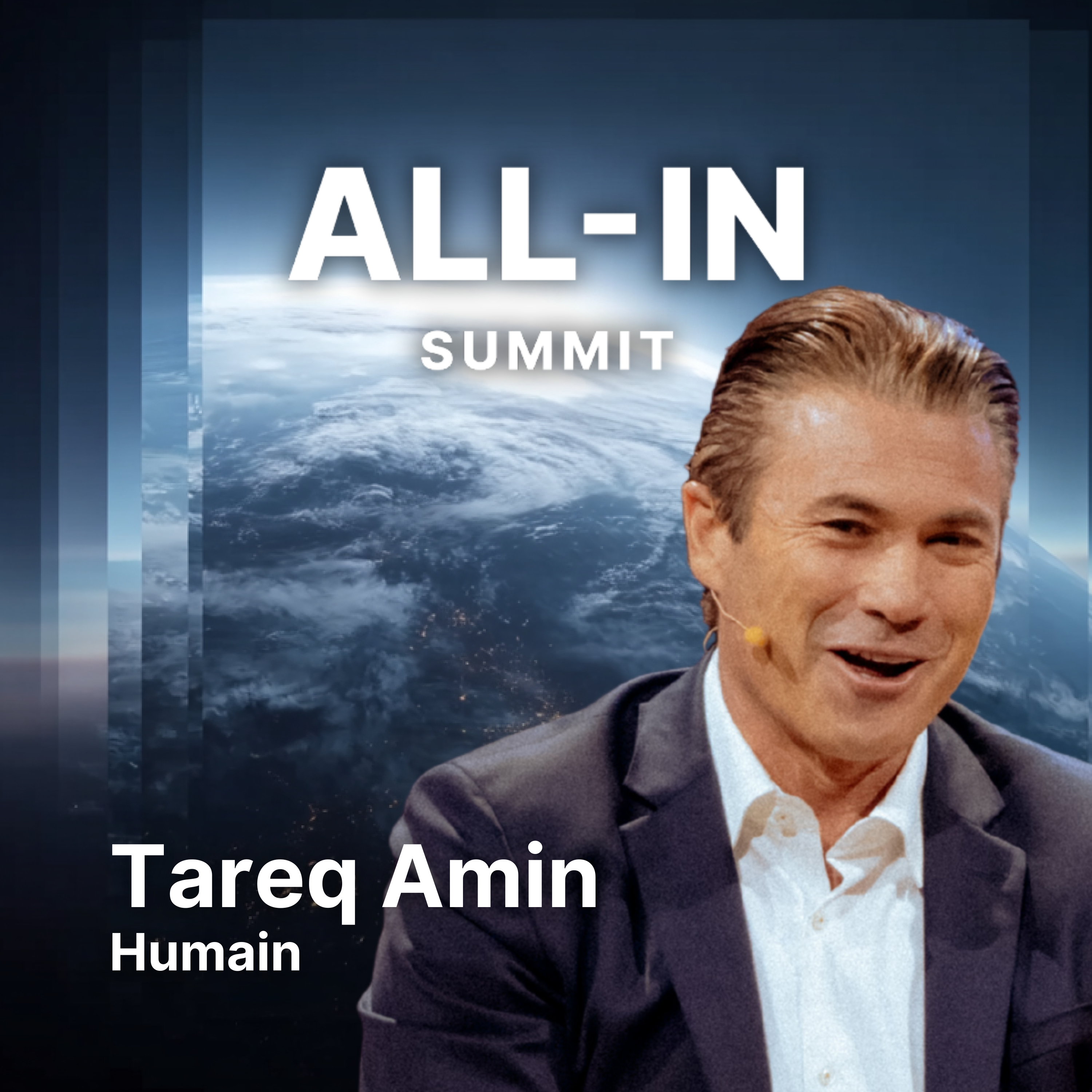
The U.S. faces significant challenges in permitting and energy infrastructure for large-scale AI data centers. Gulf states like the UAE offer regulatory arbitrage, vast energy resources, and the ability to build at "Chinese rates," making them critical partners for deploying the American AI stack quickly.

Related Insights
Humane partners with US AI startups like Grok by deploying their hardware in Saudi data centers. This gives the startup immediate global reach, while the startup's cloud entity manages the service to ensure U.S. compliance. This creates a win-win for revenue share and global distribution.
While data residency is a concern, political resistance and energy shortages may slow data center construction in the US and Europe. This could force Western AI companies to utilize the massive, rapidly-built capacity in places like the UAE, making the region a critical AI infrastructure hub.

To overcome energy bottlenecks, political opposition, and grid reliability issues, AI data center developers are building their own dedicated, 'behind-the-meter' power plants. This strategy, typically using natural gas, ensures a stable power supply for their massive operations without relying on the public grid.

The primary constraint on AI development is shifting from semiconductor availability to energy production. While the US has excelled at building data centers, its energy production growth is just 2.4%, compared to China's 6%. This disparity in energy infrastructure could become the deciding factor in the global AI race.

Beyond the US and China, Saudi Arabia is positioned to become the third-largest AI infrastructure country. The national strategy leverages its abundance of land and power not just for oil exports, but to lead the world in "energy exports via tokens," effectively selling compute power globally.
xAI's 500-megawatt data center in Saudi Arabia likely isn't just for running its own models. It's a strategic move for Musk to enter the lucrative data center market, leveraging his expertise in large-scale infrastructure and capitalizing on cheap, co-located energy sources.
Contrary to the common focus on chip manufacturing, the immediate bottleneck for building new AI data centers is energy. Factors like power availability, grid interconnects, and high-voltage equipment are the true constraints, forcing companies to explore solutions like on-site power generation.

The UAE aims to become a third AI power by serving the 4 billion people between Milan and Singapore. Its strategy hinges on acting as a "trustworthy third party," leveraging strong corporate data protection laws—akin to diplomatic immunity—to build trust and attract global partners like OpenAI.

While semiconductor access is a critical choke point, the long-term constraint on U.S. AI dominance is energy. Building massive data centers requires vast, stable power, but the U.S. faces supply chain issues for energy hardware and lacks a unified grid. China, in contrast, is strategically building out its energy infrastructure to support its AI ambitions.

The tech industry has the knowledge and capacity to build the data centers and power infrastructure AI requires. The primary bottleneck is regulatory red tape and the slow, difficult process of getting permits, which is a bureaucratic morass, not a technical or capital problem.
