Get your free personalized podcast brief
We scan new podcasts and send you the top 5 insights daily.
The UAE aims to become a third AI power by serving the 4 billion people between Milan and Singapore. Its strategy hinges on acting as a "trustworthy third party," leveraging strong corporate data protection laws—akin to diplomatic immunity—to build trust and attract global partners like OpenAI.

Related Insights
Learning from the struggles of Alibaba and Tencent, a new generation of Chinese AI companies will proactively establish headquarters in neutral hubs like Singapore. This strategy is designed to shed their identity as purely "Chinese tech," making them more palatable for global markets, acquisitions, and IPOs.

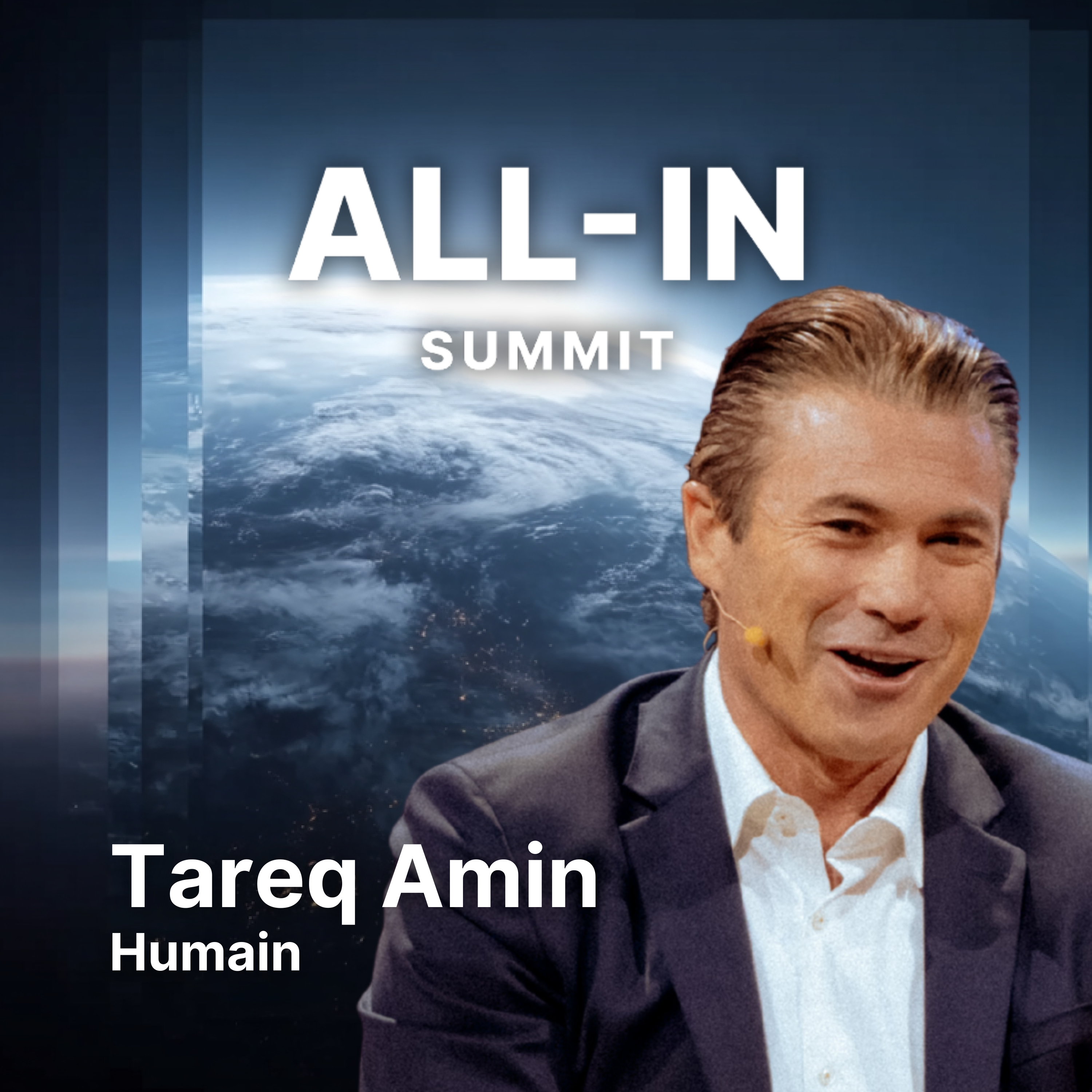
Humane partners with US AI startups like Grok by deploying their hardware in Saudi data centers. This gives the startup immediate global reach, while the startup's cloud entity manages the service to ensure U.S. compliance. This creates a win-win for revenue share and global distribution.
While data residency is a concern, political resistance and energy shortages may slow data center construction in the US and Europe. This could force Western AI companies to utilize the massive, rapidly-built capacity in places like the UAE, making the region a critical AI infrastructure hub.

The conversation around AI and government has evolved past regulation. Now, the immense demand for power and hardware to fuel AI development directly influences international policy, resource competition, and even provides justification for military actions, making AI a core driver of geopolitics.
Beyond the US and China, Saudi Arabia is positioned to become the third-largest AI infrastructure country. The national strategy leverages its abundance of land and power not just for oil exports, but to lead the world in "energy exports via tokens," effectively selling compute power globally.
India is leveraging its upcoming AI Impact Summit to establish itself as the voice for the Global South in AI policy. By championing inclusive AI and showcasing successful development applications in healthcare and agriculture, India aims to create an alternative to the Western-centric AI narrative.

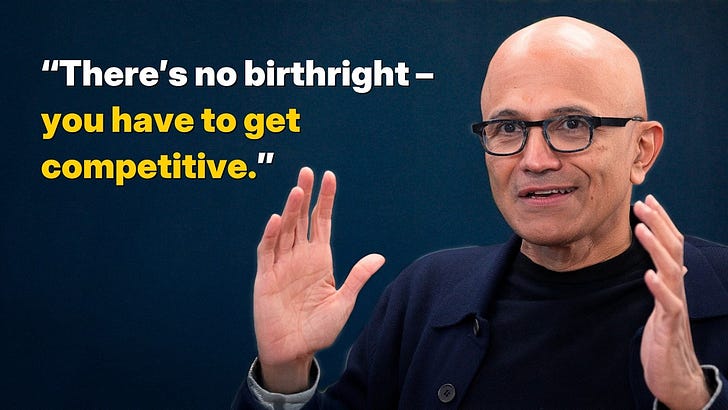
As countries from Europe to India demand sovereign control over AI, Microsoft leverages its decades of experience with local regulation and data centers. It builds sovereign clouds and offers services that give nations control, turning a potential geopolitical challenge into a competitive advantage.
UAE Minister Omar Al Olama argues that AI can level the playing field for smaller countries. By dramatically boosting productivity and intelligence, nations with smaller populations can achieve an impact and economic output disproportionate to their size, earning them a seat at the global table.

The push for sovereign AI clouds extends beyond data privacy. The core geopolitical driver is a fear of becoming a "net importer of intelligence." Nations view domestic AI production as critical infrastructure, akin to energy or water, to avoid dependency on the US or China, similar to how the Middle East controls oil.

Unlike established powers that focus on regulation, growth-oriented nations like the UAE and El Salvador are using pro-tech policies as a core competitive strategy. They are creating favorable laws for crypto, DAOs, and digital nomads to attract global talent and capital.
