Get your free personalized podcast brief
We scan new podcasts and send you the top 5 insights daily.
Create a post that begins with a hook suggesting you're calling someone out for something negative (e.g., an unpaid invoice). Then, pivot to reveal it's actually a positive case study or testimonial for that customer. The initial drama creates a powerful curiosity gap, compelling users to swipe.

Related Insights
The era of generic 'five steps to X' content is over. To stand out, marketers must frame their content as stories, whether personal or from clients. This narrative approach fosters a deeper connection with an audience that craves human experiences over sterile information.

Most people post like they're at a dinner party with a captive audience. Instead, imagine showing your content to a stranger on the street. If it wouldn't make them stop and listen, your hook is too weak for the fast-scrolling world of social media.
To compel a 'see more' click, your opening lines must create an emotional response. Aim to evoke Curiosity, Contrast, Contradiction, Controversy, or Confusion. The most effective hooks make a reader feel at least two or three of these elements simultaneously, forcing them to engage.
The human brain is wired to pay more attention to potential threats or mistakes. Leveraging this, hooks framed with negative words like "don't," "stop," or "avoid" are more likely to stop a scroll and maintain viewer curiosity than hooks with positive framing like "do this" or "try this."
When creating testimonial content, lead with the customer's initial pain point, not the final positive outcome. Prospects relate more strongly to the problem they currently have, making the story more believable. Starting with the end result can feel too disconnected and less credible.

To make case studies compelling, reverse the traditional narrative. Start with a hook that states the specific, tangible outcome (e.g., "increased pipeline by 20%"). This creates a sense of FOMO (fear of missing out) and entices your target audience to read the details of how you achieved it.
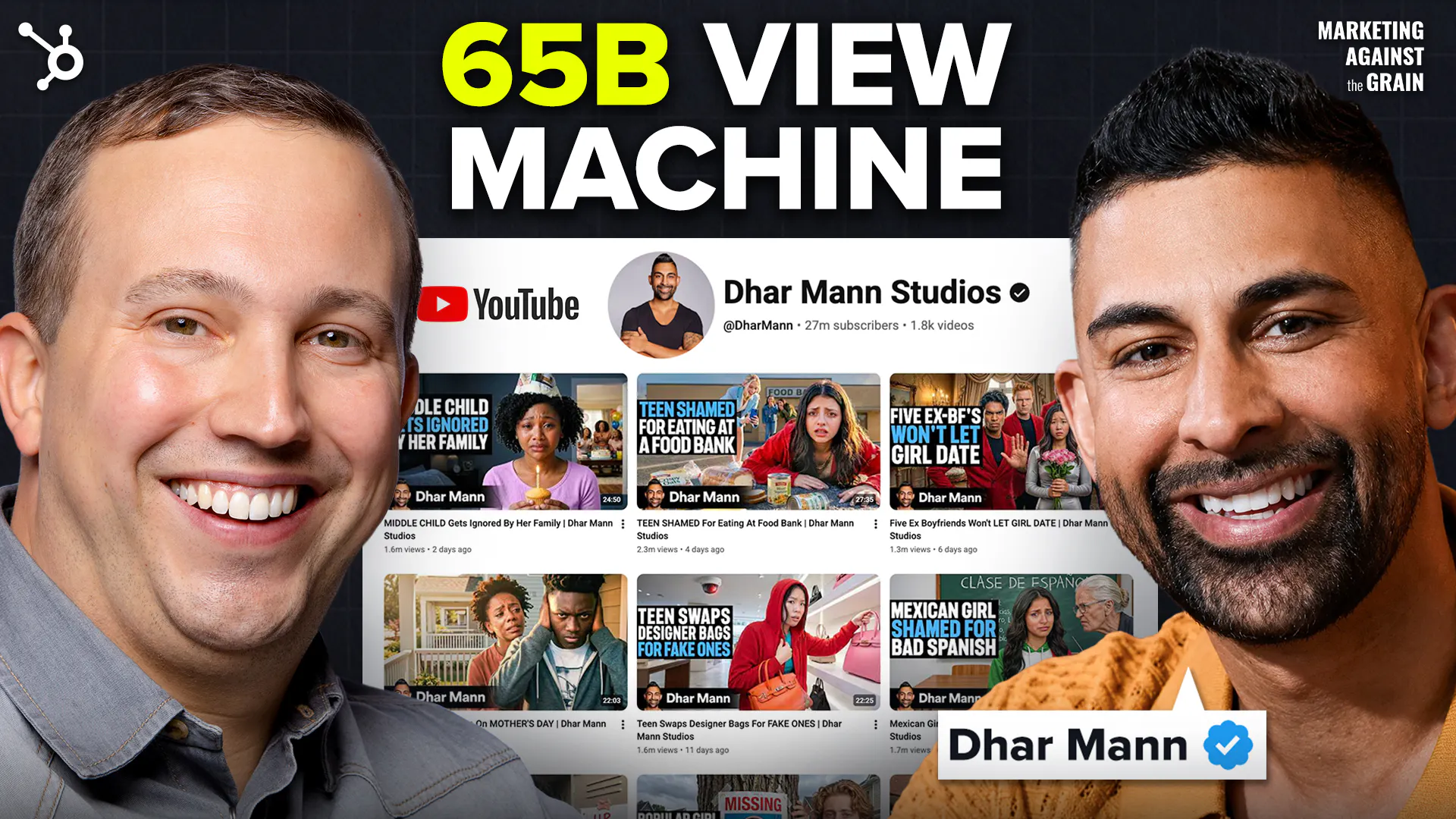
Dhar Mann uses seemingly negative titles like "son ditches his mom on Mother's Day" to hook viewers in a competitive feed. The actual story, however, delivers a positive message and moral lesson. This strategy satisfies the algorithm's appetite for conflict and drama while staying true to his brand's core values.
Hooks framed negatively (e.g., "the one thing killing your reach") outperform positive ones ("how to grow your reach"). Negative framing triggers a sense of urgency and self-assessment, making users stop and engage to see if they are making the error mentioned.
A carousel's first slide needs more than a headline. Add a 'bonus hook' or subtitle that answers the audience's 'Why should I care?' question. This second hook should create high stakes and tap into an emotional outcome, compelling users to swipe through the entire post.
Poorly performing posts can often be salvaged by rewriting the hook. The goal is to entice the reader to click "...see more," an invisible engagement metric that signals interest to the algorithm. Story-based or revelation-style openings are particularly effective at this.