Get your free personalized podcast brief
We scan new podcasts and send you the top 5 insights daily.
Most people post like they're at a dinner party with a captive audience. Instead, imagine showing your content to a stranger on the street. If it wouldn't make them stop and listen, your hook is too weak for the fast-scrolling world of social media.

Related Insights
The primary reason new LinkedIn content gets no traction isn't poor quality, but a lack of an initial audience. Before focusing on content creation, prioritize building a relevant network through connection requests and engagement to ensure people actually see your posts.

Don't blame the algorithm for poor engagement. Truly compelling content, like a major company announcement, still breaks through and achieves massive reach. The platform rewards exceptional content, not just consistent posting.

LinkedIn's new language model gives the most analytical weight to the first ~60 tokens (roughly 30-40 words) of your content. This means front-loading your post with depth, authority, and specific metrics in the hook is now more critical for algorithmic success than clickbait-style openings.

To stand out in a crowded feed like LinkedIn, frame business insights through a personal hobby. A post about 'What Fly Fishing Taught Me About Business' acts as a pattern interrupt, creating a human connection that is more likely to be read than another generic business article.

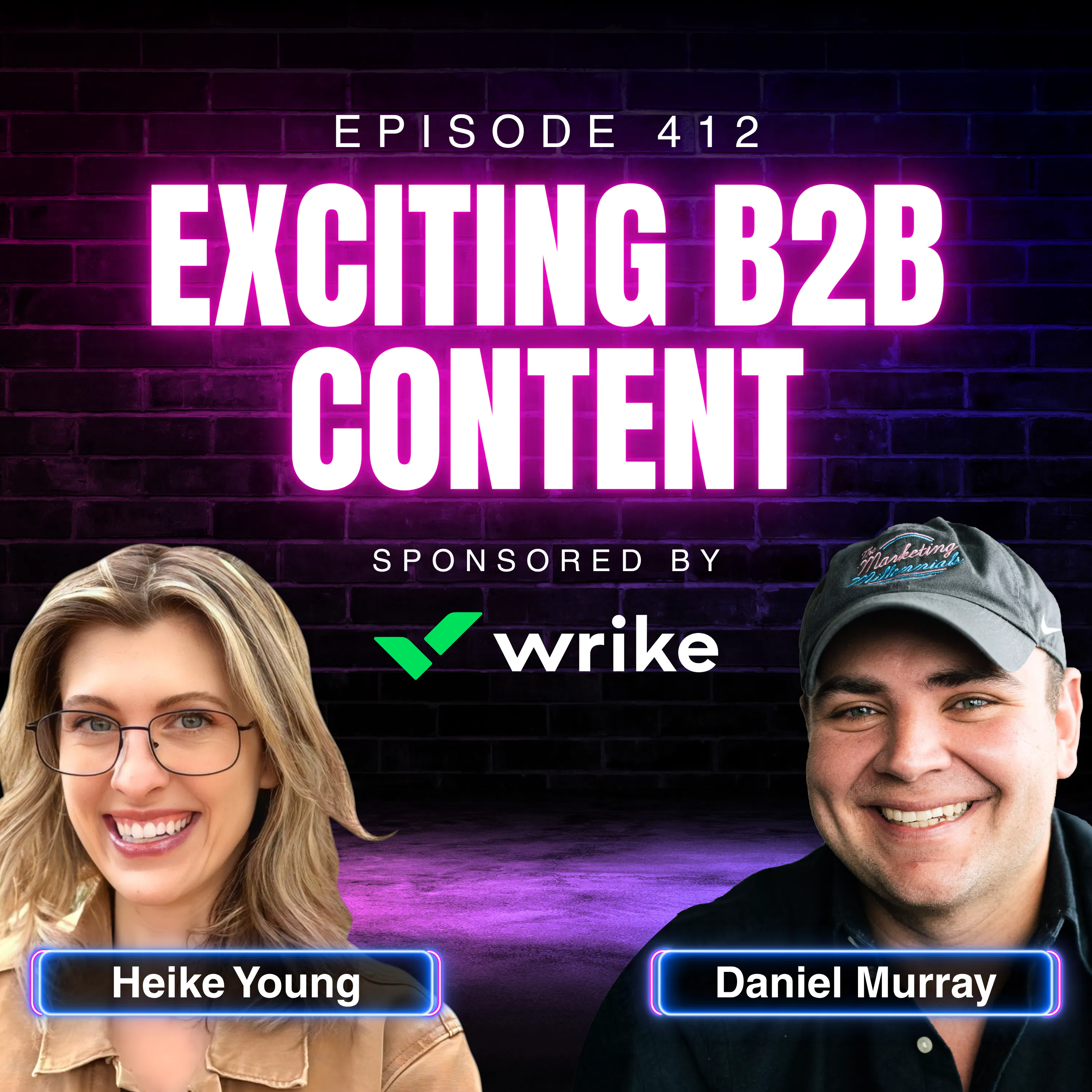
Heike Young outlines a specific formula for high-performing LinkedIn videos. Success requires an integrated approach: a text title superimposed on the video, clear captions, a strong visual hook in the opening seconds, and a compelling hook in the accompanying text post to grab attention in the feed.
The most effective hooks are simple enough for a 5th grader to understand. This isn't because the audience lacks intelligence, but because they are highly distracted while scrolling. Complex vocabulary, jargon, or acronyms cause confusion, leading viewers to immediately scroll away. Use the "Drunk Grandma" test for clarity.
Users decide whether to expand your post based on the combination of the image and the first few lines of text. A common mistake is using an image that only makes sense after reading the full post. Ensure your visual matches the hook to create instant coherence.
To convert followers, LinkedIn posts must provide a self-contained, valuable thought rather than just teasing content. By giving away the core insight (e.g., "the 3 most important things"), you build authority and earn shares. The call-to-action can then offer deeper context and personal stories from the main article.

When using outcome-based hooks (e.g., "how my client achieved X"), using realistic, attainable results can be more effective than unbelievable ones. While a massive number like "17 billion views" might be interesting, it can feel unrelatable, causing many viewers to scroll away because they believe it's impossible for them to achieve.
Poorly performing posts can often be salvaged by rewriting the hook. The goal is to entice the reader to click "...see more," an invisible engagement metric that signals interest to the algorithm. Story-based or revelation-style openings are particularly effective at this.