Get your free personalized podcast brief
We scan new podcasts and send you the top 5 insights daily.
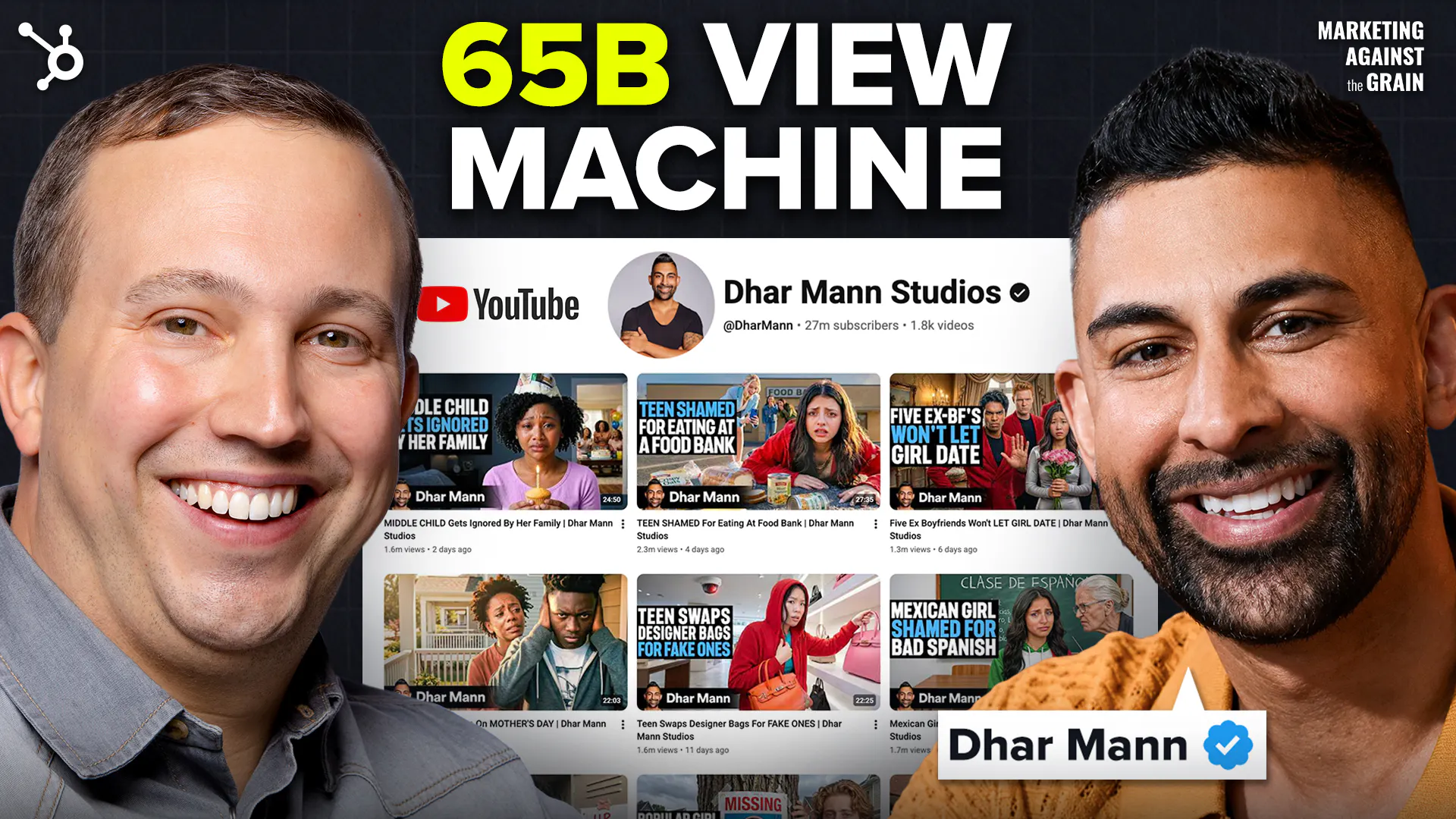
Dhar Mann uses seemingly negative titles like "son ditches his mom on Mother's Day" to hook viewers in a competitive feed. The actual story, however, delivers a positive message and moral lesson. This strategy satisfies the algorithm's appetite for conflict and drama while staying true to his brand's core values.
Related Insights
Headlines like 'Down 17%... until we fixed this' tap into our aversion to loss and curiosity about mistakes. This 'rubbernecking' effect creates a pause and grabs attention more effectively than purely positive framing, leading to a significant lift in engagement.

Data analysis of 105,000 headlines reveals a direct financial incentive for negativity in media. Each negative word added to an average-length headline increases its click-through rate by more than two percentage points, creating an economic model that systematically rewards outrage.

The human brain is wired to pay more attention to potential threats or mistakes. Leveraging this, hooks framed with negative words like "don't," "stop," or "avoid" are more likely to stop a scroll and maintain viewer curiosity than hooks with positive framing like "do this" or "try this."

Creators with valuable financial education often must use sensational titles like "Market Crash" to get views, as nuanced titles get buried by the algorithm. This creates a dilemma where the packaging is misleading but the content is necessary, requiring viewers to look past the headline.

A/B testing on platforms like YouTube reveals a clear trend: the more incendiary and negative the language in titles and headlines, the more clicks they generate. This profit incentive drives the proliferation of outrage-based content, with inflammatory headlines reportedly up 140%.

Intentionally add small, harmless inaccuracies or out-of-place elements to your content, such as a typo, a sarcastic miscalculation, or a hidden prop. This "tasteful rage bait" prompts viewers who spot the "mistake" to comment, driving engagement without causing actual harm or anger.

The addictiveness of social media stems from algorithms that strategically mix positive content, like cute animal videos, with enraging content. This emotional whiplash keeps users glued to their phones, as outrage is a powerful driver of engagement that platforms deliberately exploit to keep users scrolling.

In a world of infinite content, success is determined by how easily something captures attention. Hank Green provides a framework for evaluating these triggers: pro-social ones like curiosity and human interest build positive engagement, while anti-social ones like outrage and victimhood are manipulative.

Successful short-form video follows a structure: 1) Capture attention with strong visual and verbal hooks. 2) Maintain attention by creating a 'dance between conflict and context.' 3) Reward attention by providing value (education, inspiration) that generates algorithm-pleasing engagement signals like shares and saves.

Creators face a conflict between generating viral, drama-filled content that algorithms favor and maintaining the authentic persona that attracted their loyal audience. This forces a tradeoff between short-term metrics and long-term trust, with financial pressures often pushing them toward drama.
