Get your free personalized podcast brief
We scan new podcasts and send you the top 5 insights daily.
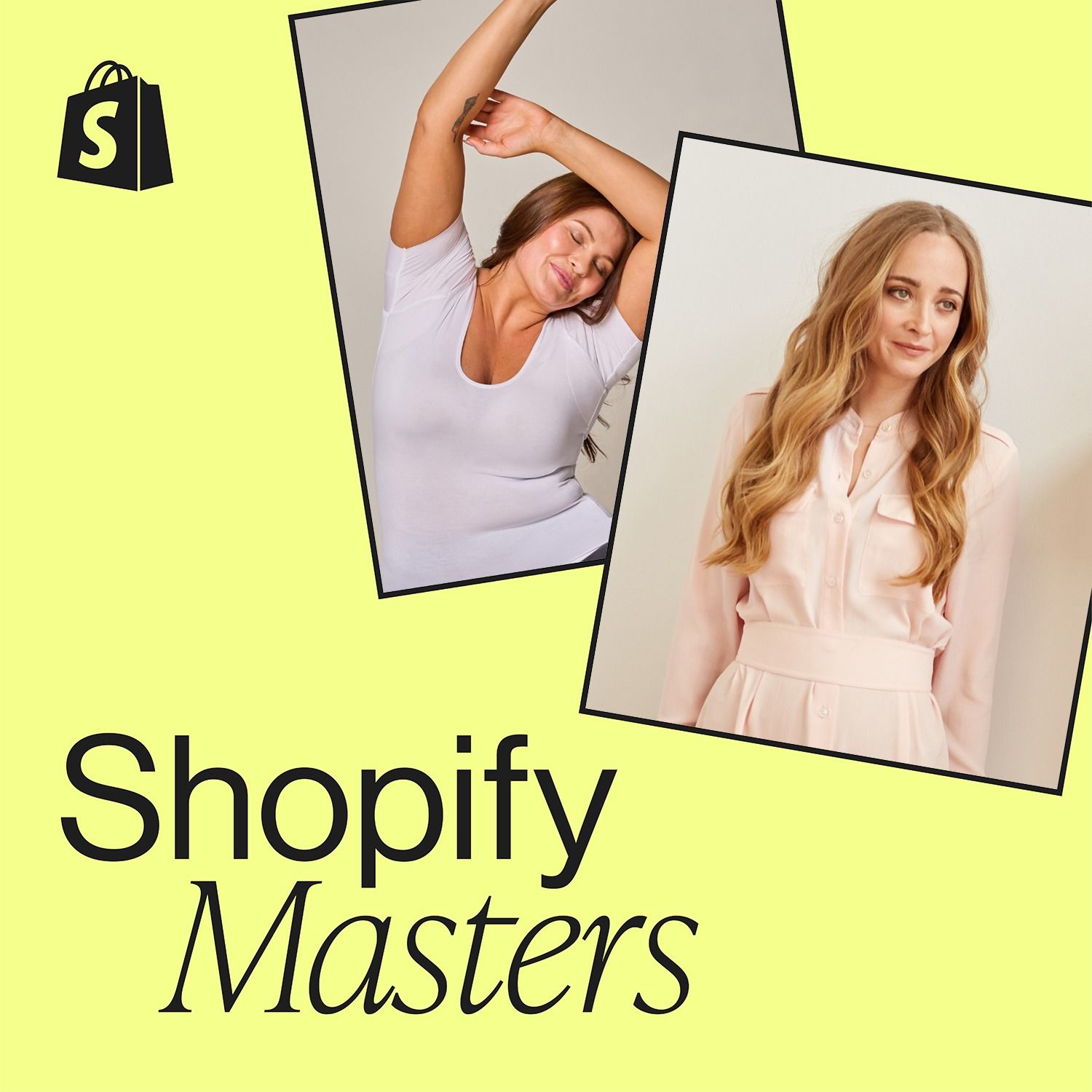
Focusing on a customer's mindset and shared values (a psychographic) rather than their age (a demographic) allows a brand to appeal to a wider audience. M.M. LaFleur successfully sells to professional women from their late 20s to their late 50s by targeting a shared professional identity.

Related Insights
Instead of using demographics, Coach conducted ethnographic research to understand Gen Z's core tensions, like craving self-expression while valuing sustainability. This insight into their "dualities" and "emotional trade-offs" was the foundation for their "Expressive Luxury" positioning, which resonates on a deeper human level.

Numi's undershirts are used by nurses, flight attendants, and menopausal women, but their marketing focuses narrowly on the "professional woman." This avoids diluting the message. Trying to speak to everyone results in speaking to no one; a narrow focus creates a stronger brand identity and more effective campaigns.
Contrary to the belief that clean beauty appeals primarily to younger demographics, 80% of Sonsie's customers are 45+. This audience, often transitioning from legacy luxury brands, is receptive to Sonsie's accessible price point, transparency, and high-performance formulas without heavy fragrances.

Generic demographic targeting like '18-35 year olds' is ineffective. Instead, develop 30-40 hyper-specific consumer segments based on unique motivations, such as 'a 25-year-old male using wine for dating.' This niche approach makes creative more resonant, helping algorithms find the ideal audience.

Understanding a buyer persona means more than knowing their job title and performance metrics. Research their public activity—panels, blogs, LinkedIn—to understand what personally excites and motivates them. This deeper, human-level understanding is a key differentiator in a crowded sales landscape.

Instead of relying solely on demographic or behavioral data, use motivational segmentation to understand *why* users choose your product. Grouping users by their core emotional drivers (e.g., to feel productive, to feel connected) uncovers deeper needs and informs emotionally resonant features.

Ditch the aspirational "Ideal Client Profile," which represents a rare, perfect-world scenario. Instead, build a "Target Client Profile" that defines which customers will perceive the most meaningful value from your offering. This provides a realistic, operational benchmark for qualifying leads.

Dough Guy, a pizza brand with a mostly male audience, should expand into related "male-coded" baking like cast-iron brownies. This targets the existing customer's identity and interests, rather than just expanding into the generic "baking" category, which might not resonate as strongly.
Traditional marketing personas (e.g., '18-35 year old males') are obsolete. Instead, define hundreds of hyper-specific subgroups based on intersecting demographics, interests, and geography. Create tailored content for each to maximize relevance, allowing social algorithms to find and serve the right audience.
For specialized products, user motivation is more critical than age or location. Focusing on the user's mindset, life stage, and readiness for change (psychographics) can lead to significantly higher engagement and retention than targeting a broad demographic group that may not be ready for the solution.